

Best Bronze Sculptors of All Time | From Rodin to Modern Masters
Bronze sculpture has shaped the way we see the world. From ancient Greek athletes frozen mid-stride to modern abstractions that challenge perception, the medium has attracted some of the most brilliant artistic minds in history. Here are the best bronze sculptors whose work continues to inspire collectors and art lovers worldwide.
Auguste Rodin (1840–1917)

Often called the father of modern sculpture, Rodin broke every rule. The Thinker, The Kiss, and The Gates of Hell transformed bronze from a medium of idealized beauty into one of raw human emotion. His surfaces were deliberately rough, his figures unfinished—a radical departure that opened the door for everything that followed.
Donatello (1386–1466)
Before Rodin, there was Donatello. His David was the first freestanding bronze nude since antiquity, a work of extraordinary daring for the early Renaissance. Donatello proved that bronze could capture not just form but psychology—his figures think, doubt, and feel.
Benvenuto Cellini (1500–1571)

Cellini's Perseus with the Head of Medusa in Florence remains one of the most technically ambitious bronze castings ever attempted. A goldsmith turned sculptor, Cellini brought a jeweller's precision to monumental scale, and his autobiography reads like an adventure novel.
Giambologna (1529–1608)
The master of movement. Giambologna's figures spiral upward, demanding to be viewed from every angle—a concept he pioneered called figura serpentinata. His Rape of the Sabine Women and equestrian statues set the standard for dynamic bronze composition for centuries.
Antoine-Louis Barye (1795–1875)

Barye was the undisputed master of animal sculpture. His lions, bears, and jaguars are studied from life with scientific precision, yet charged with dramatic energy. He proved that animal subjects could carry the same emotional weight as human figures—and collectors have agreed ever since.
Alberto Giacometti (1901–1966)
Giacometti stripped the human figure down to its essence. His impossibly thin, elongated bronze figures—Walking Man, Standing Woman—capture the isolation and vulnerability of post-war existence. His work regularly achieves record prices at auction, including the $141 million sale of Pointing Man in 2015.
Henry Moore (1898–1986)
Moore's monumental reclining figures and abstract forms brought bronze sculpture into the landscape. His work sits in parks, plazas, and gardens worldwide, proving that bronze art does not belong only in museums. Moore understood that sculpture is about the space around it as much as the form itself.
Constantin Brâncuși (1876–1957)

Brâncuși polished bronze until it became a mirror. His Bird in Space series—sleek, aerodynamic forms rising from rough stone bases—challenged what sculpture could be. He is the bridge between traditional bronze craft and modern abstraction.
Frederic Remington (1861–1909)
No one captured the American West in bronze like Remington. His cowboys, horses, and Native American figures are full of kinetic energy, freezing moments of action with extraordinary realism. The Broncho Buster remains one of the most reproduced bronzes in American art.
Fernando Botero (1932–2023)
Botero's voluminous bronze figures are instantly recognizable—round, generous forms that celebrate abundance and humanity. His monumental sculptures populate public spaces from Medellín to Park Avenue, bringing joy and accessibility to bronze art on a grand scale.
Bronze Sculpture Today
The tradition continues. Contemporary sculptors around the world are pushing bronze into new territory—combining it with glass, stone, and modern technology while honouring the lost-wax technique that has defined the medium for millennia.
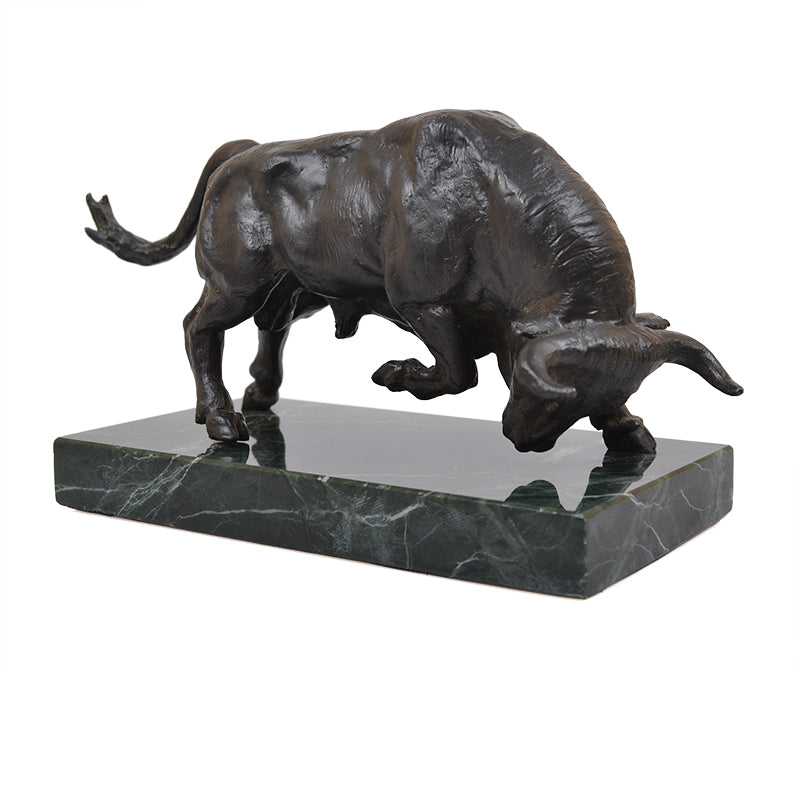
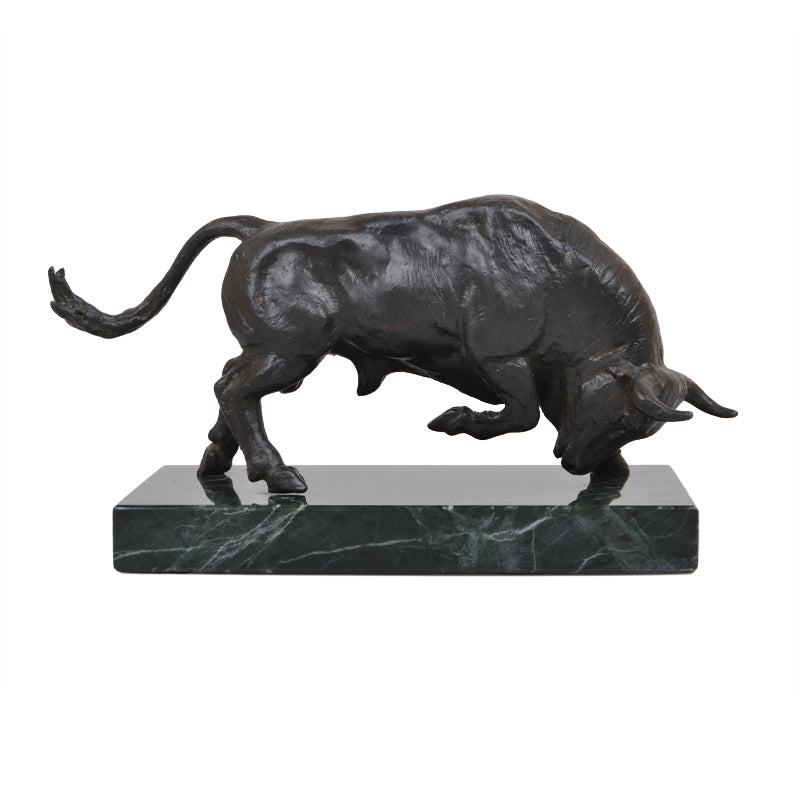
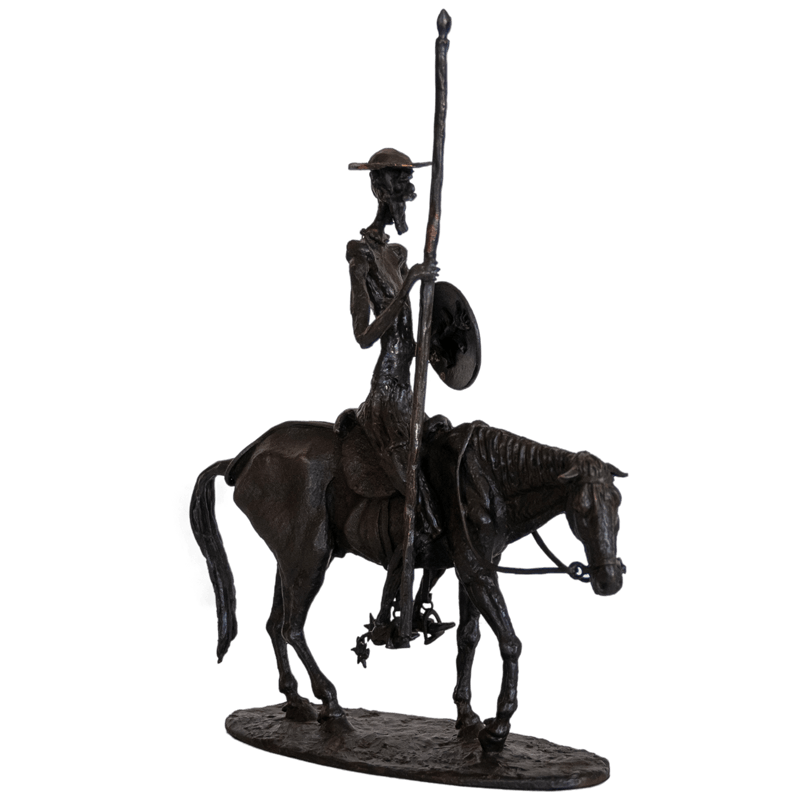
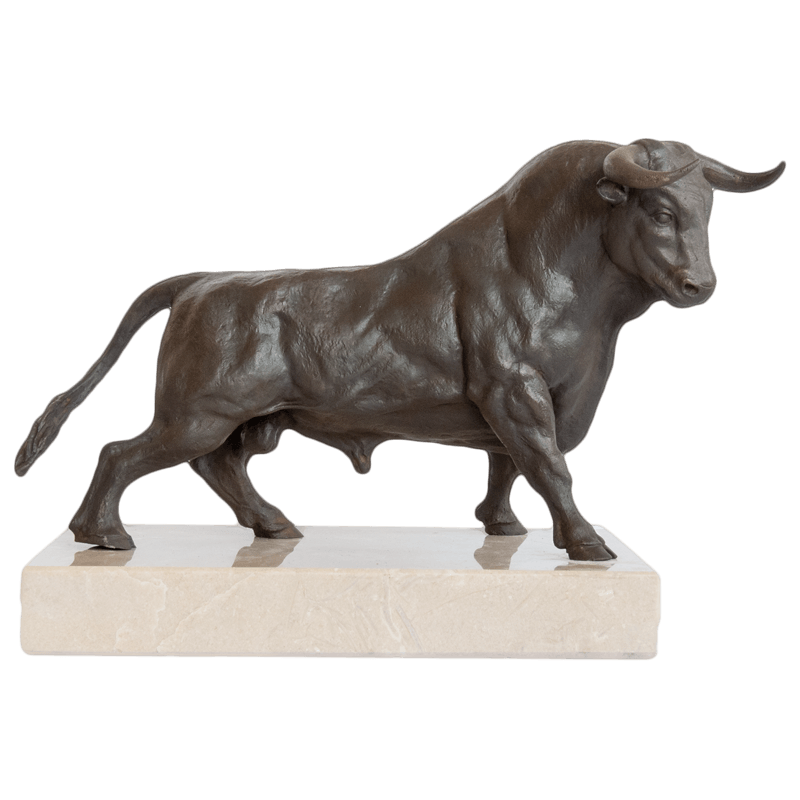
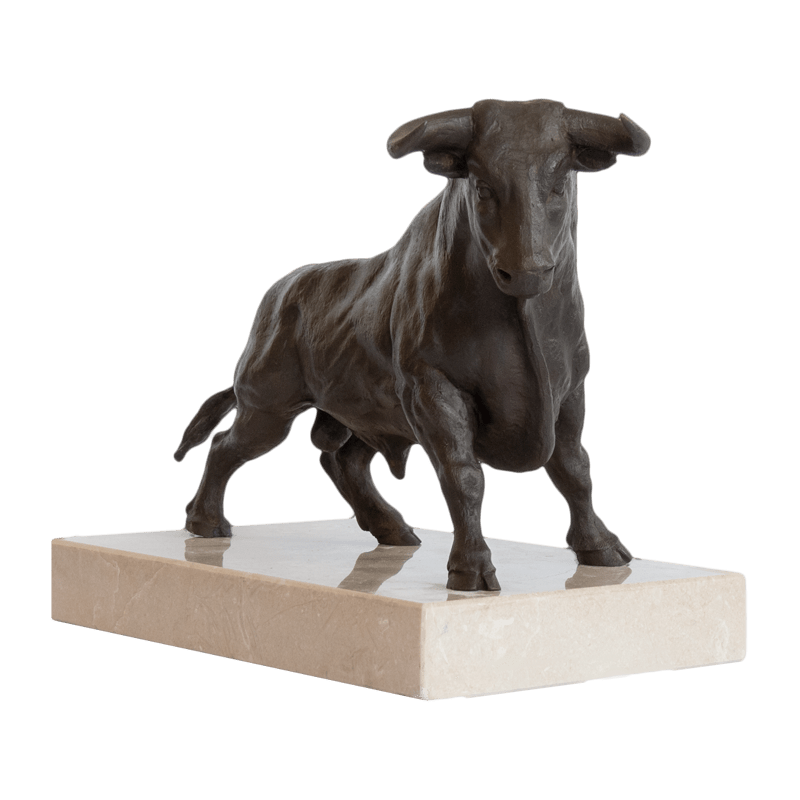
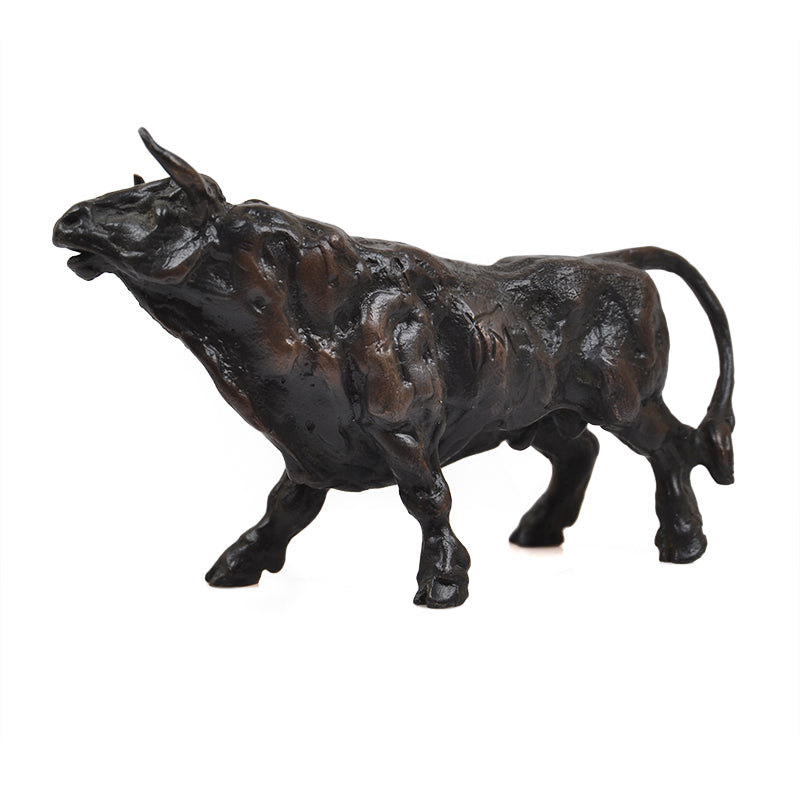
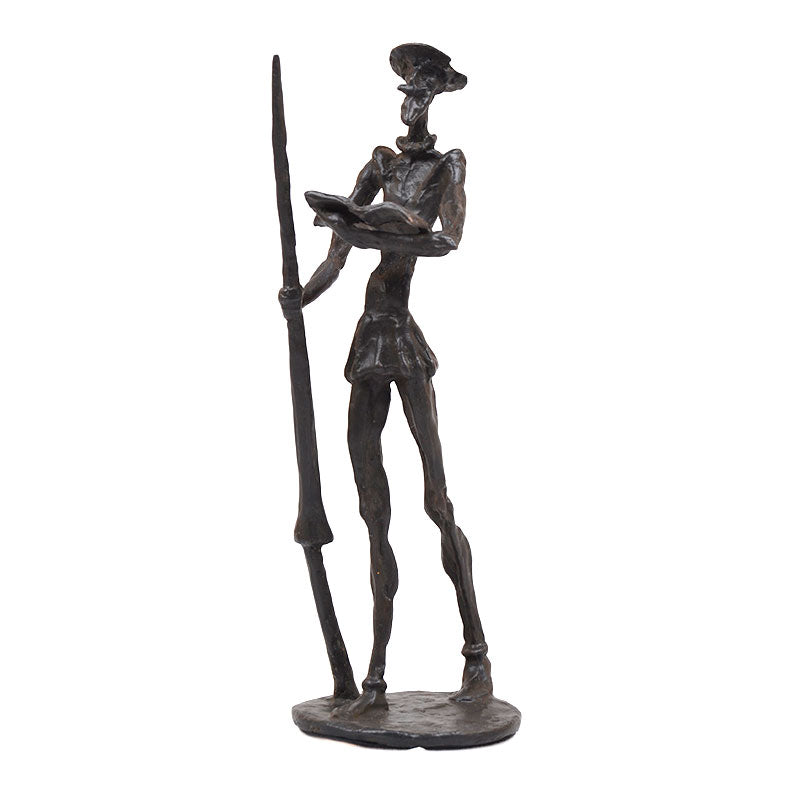
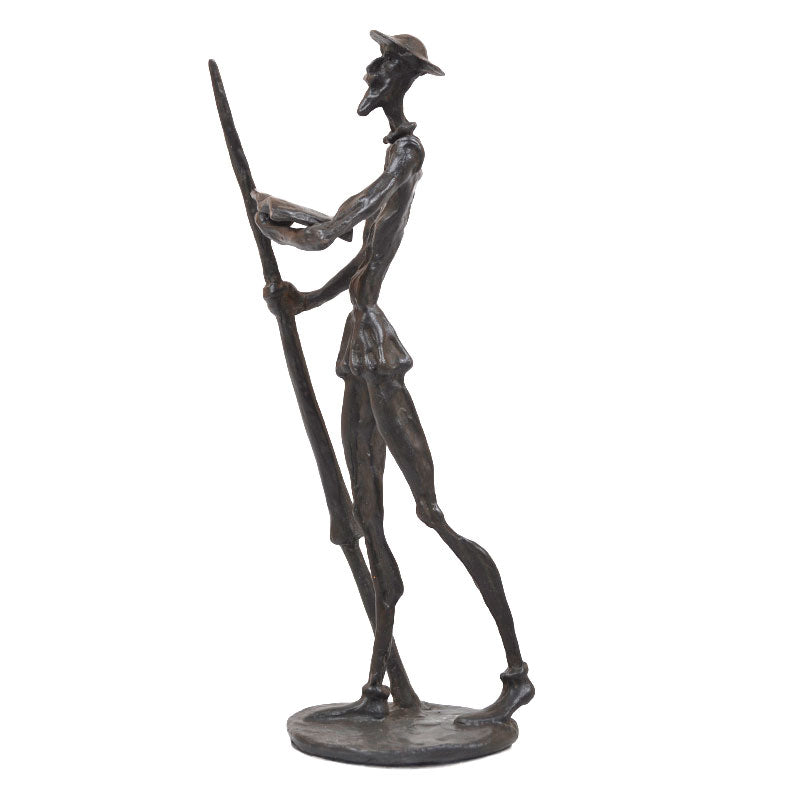
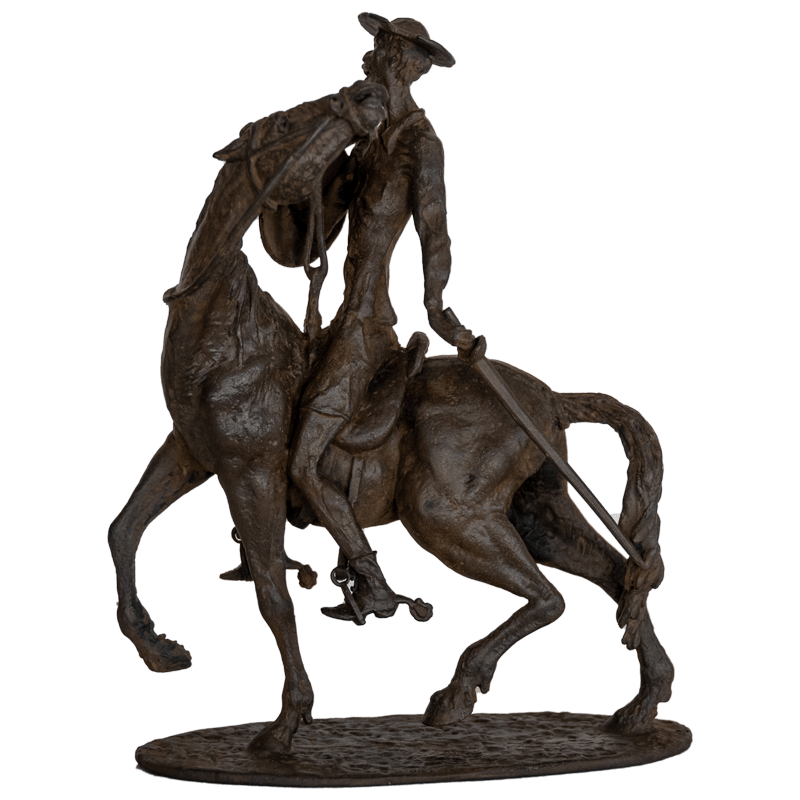
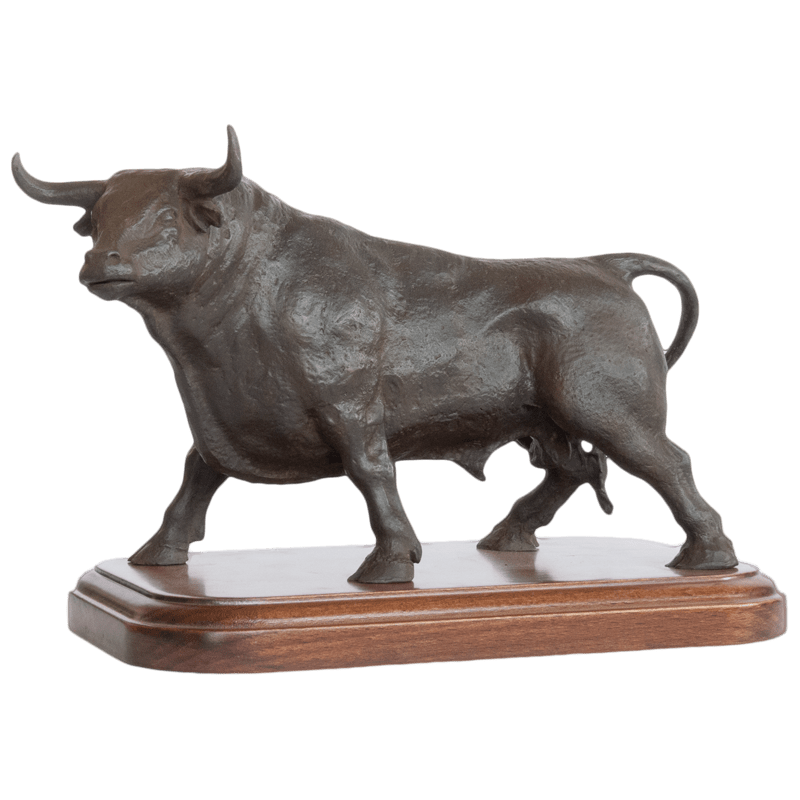
At Munira, we work with artisans who carry this legacy forward. Every piece in our bronze sculpture collection is handcrafted using traditional methods, creating art that connects the past to the present.

Leave a comment
This site is protected by hCaptcha and the hCaptcha Privacy Policy and Terms of Service apply.