

Mozarabic Art: Meaning, History, and Main Characteristics
Mozarabic Art: What It Is and What Makes It Unique
There is an art form born from the meeting of two worlds — one Christian, the other Islamic. A style that blends spirituality, geometry, and culture. That is Mozarabic art. But what makes it so fascinating? Its story is one of coexistence, adaptation, and creativity.
What Is Mozarabic Art?
Mozarabic art emerged between the 9th and 11th centuries, created by Christians living in Muslim-ruled Al-Andalus.
The word “Mozarabic” comes from the Arabic mustʿarab, meaning “Arabized” — Christians who adopted Arabic customs and aesthetics without abandoning their faith.
A Fusion of Two Cultures

This art is a blend of Visigothic traditions and Andalusian Islamic influences.
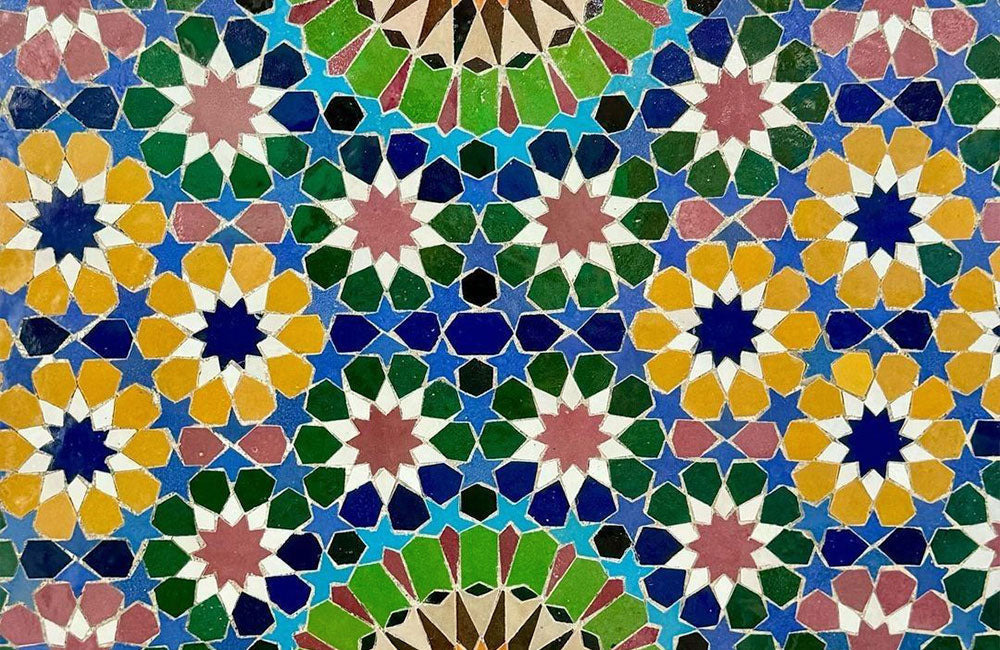
Mozarabic churches, for example, have horseshoe arches, domes, and geometric wall decorations. They look like mosques, yet they hold Christian symbolism.
The same happens in manuscripts and paintings: letters framed by Arabic-style patterns, flat figures, and bold colors. The Mozarabs didn’t just imitate — they invented a new artistic language.
Main Characteristics of Mozarabic Art
-
Horseshoe arches, similar to those used in Islamic architecture.
-
Geometric and vegetal motifs, with few human figures.
-
Small domes and vaults, carefully crafted.
-
Flat paintings in vivid tones like red, blue, and gold.
-
Compact churches built with stone walls and wooden roofs.
Every detail reflected humility, order, and spirituality rather than grandeur or excess.
Famous Examples of Mozarabic Art

Some of the most outstanding examples are San Miguel de Escalada in León and Santa María de Lebeña in Cantabria. Both reveal how northern Christians embraced Andalusian aesthetics.
The illustrated Beatus manuscripts, filled with colorful depictions of the Apocalypse, are also masterpieces of Mozarabic creativity — bold, mystical, and symbolic.
The Legacy of Mozarabic Art Today
The influence of Mozarabic art reached later styles like the Romanesque. Its harmony and patterns continue to inspire architects, artists, and designers today.
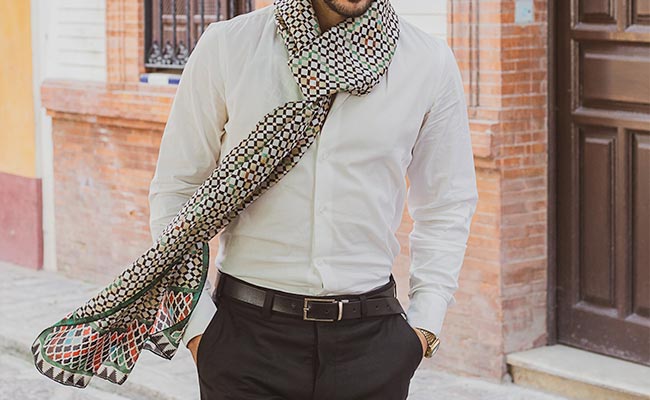
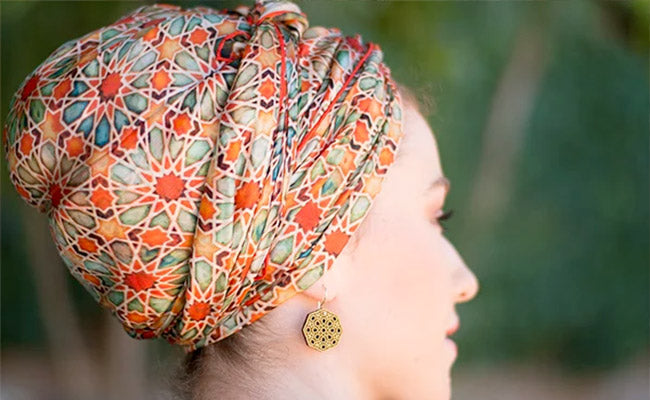
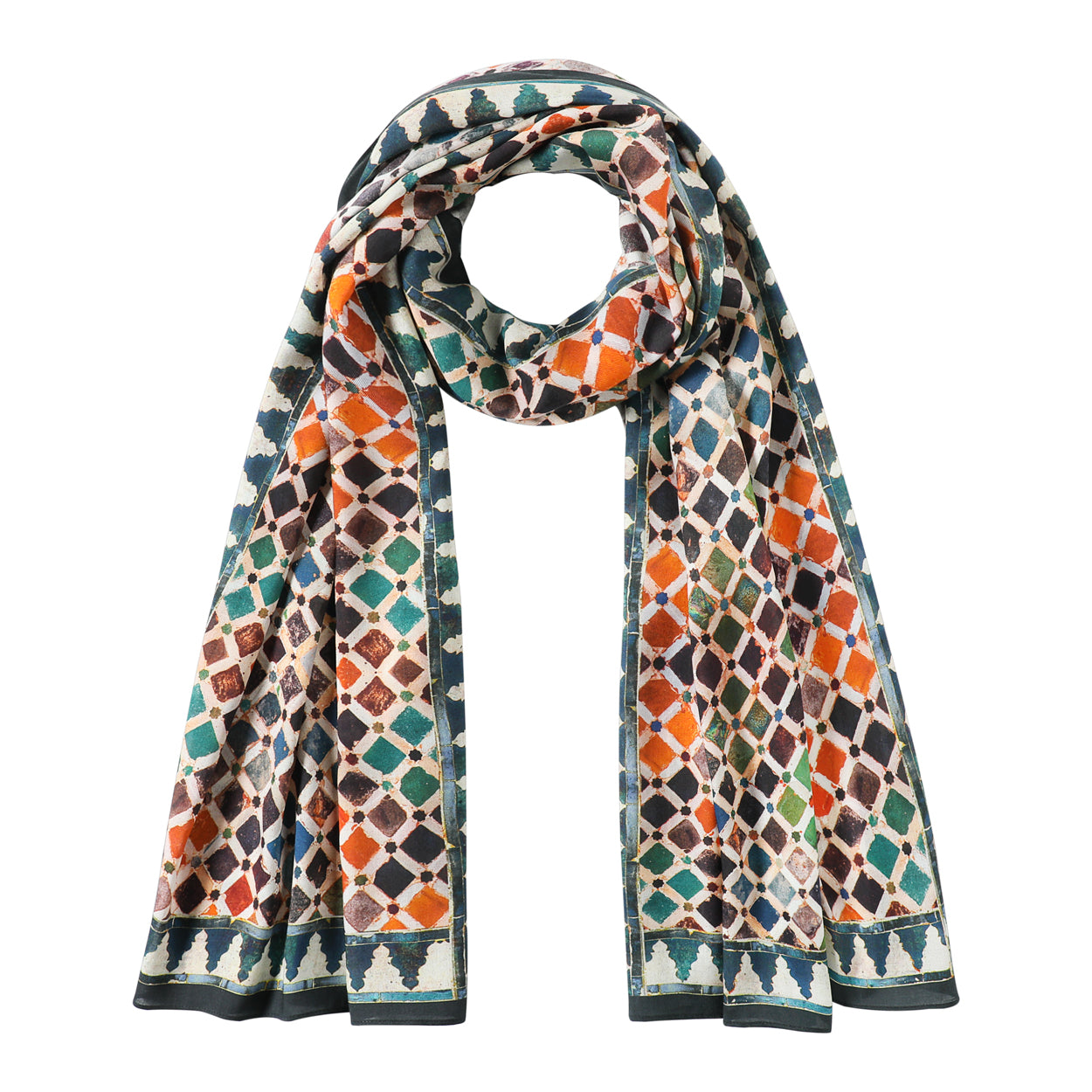
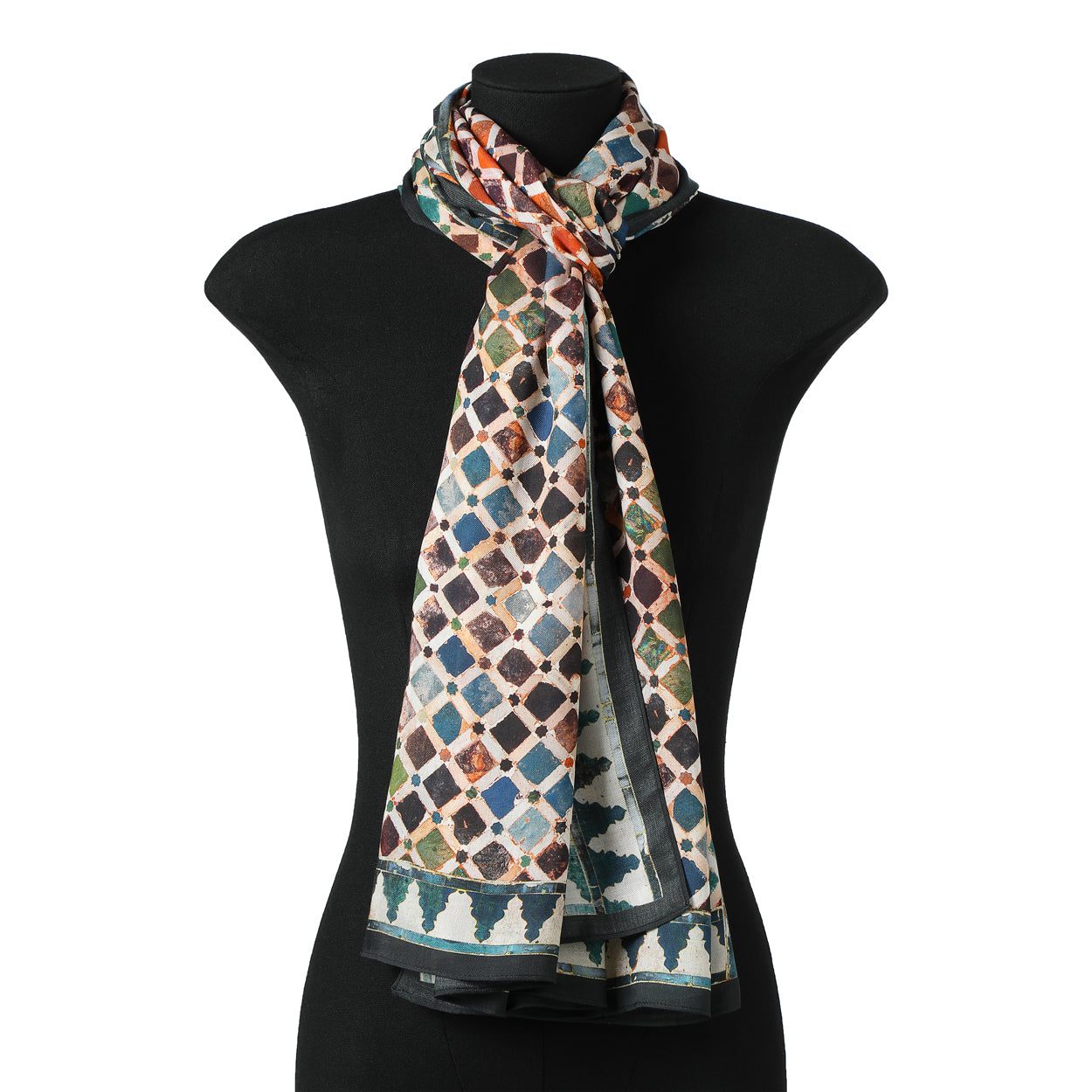
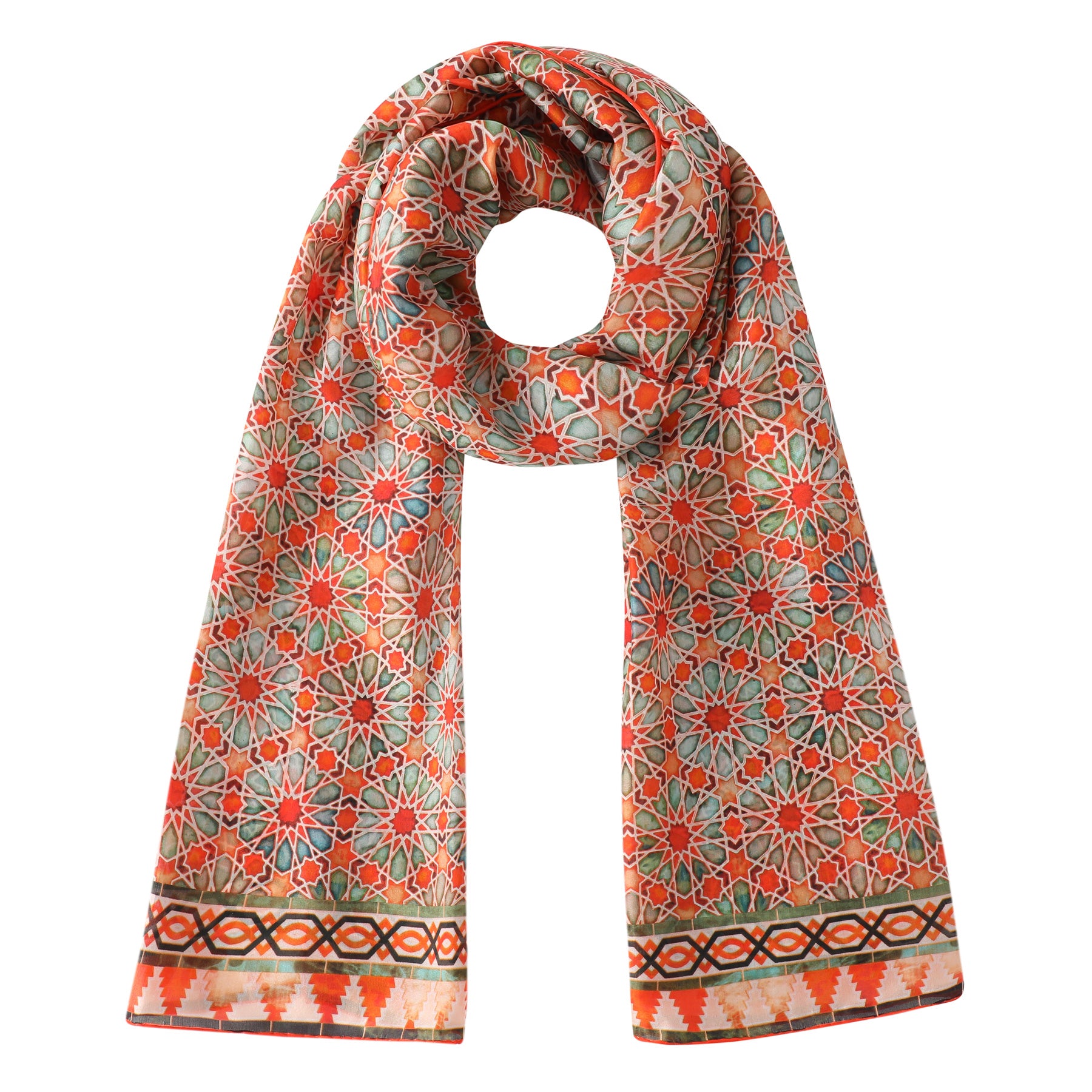
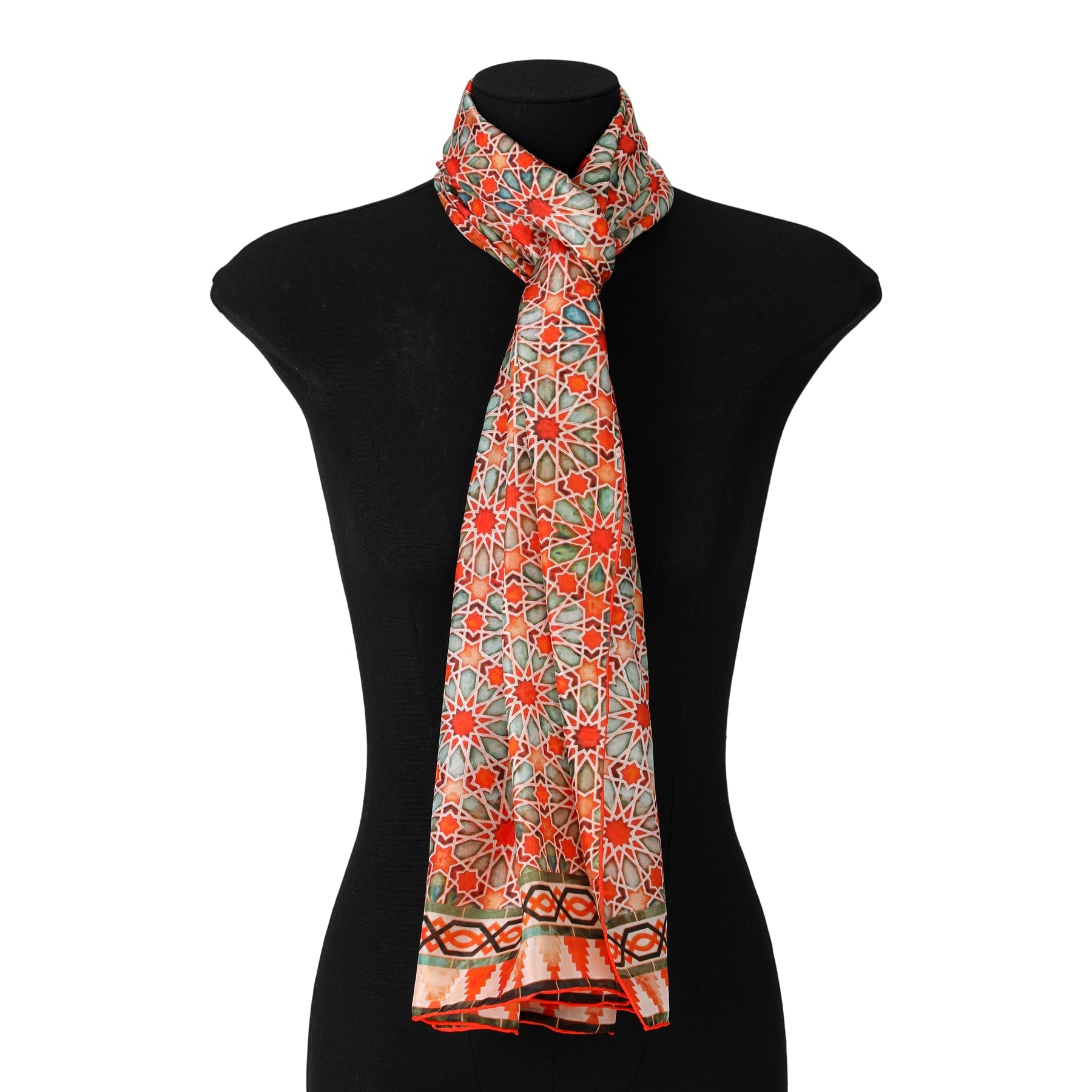
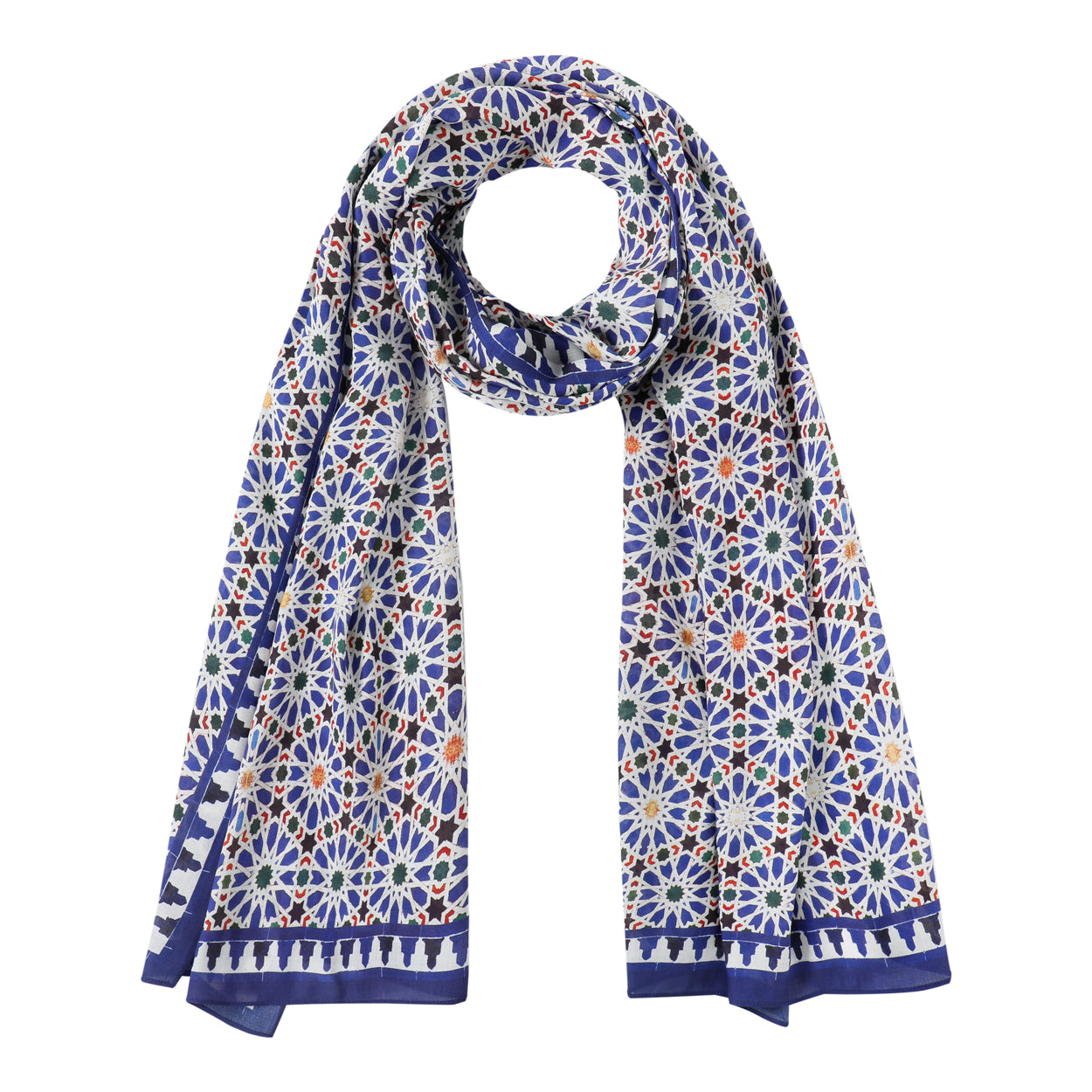
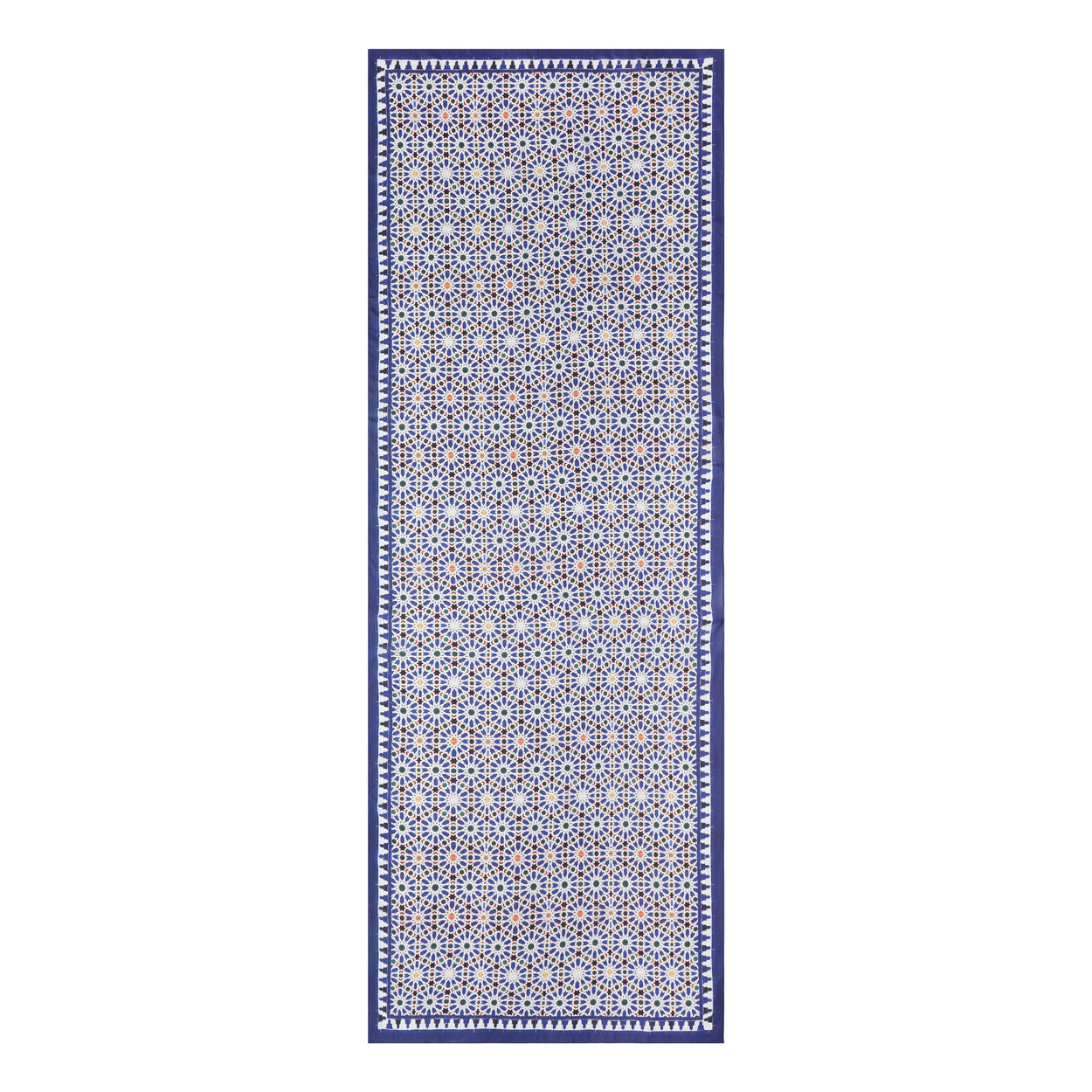
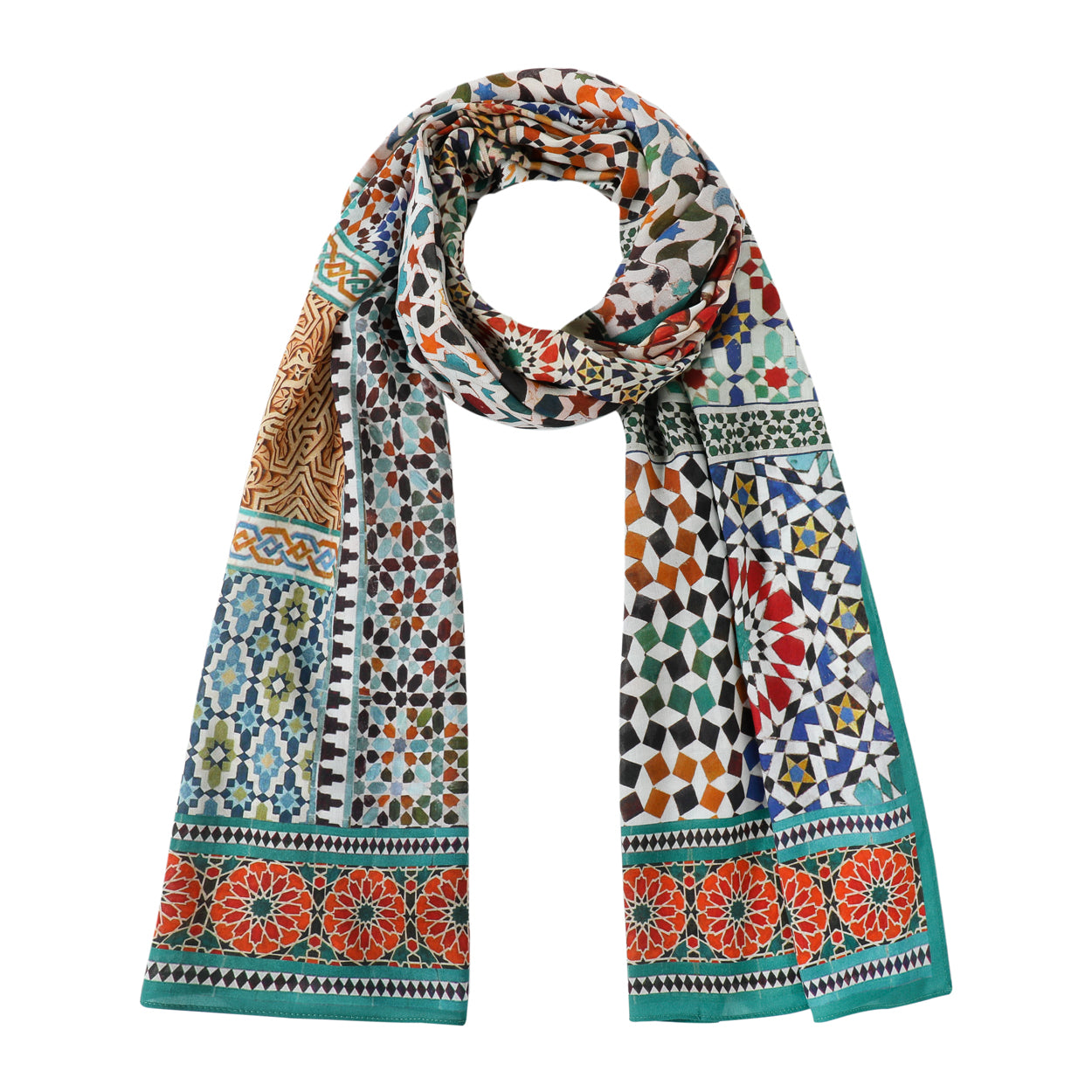
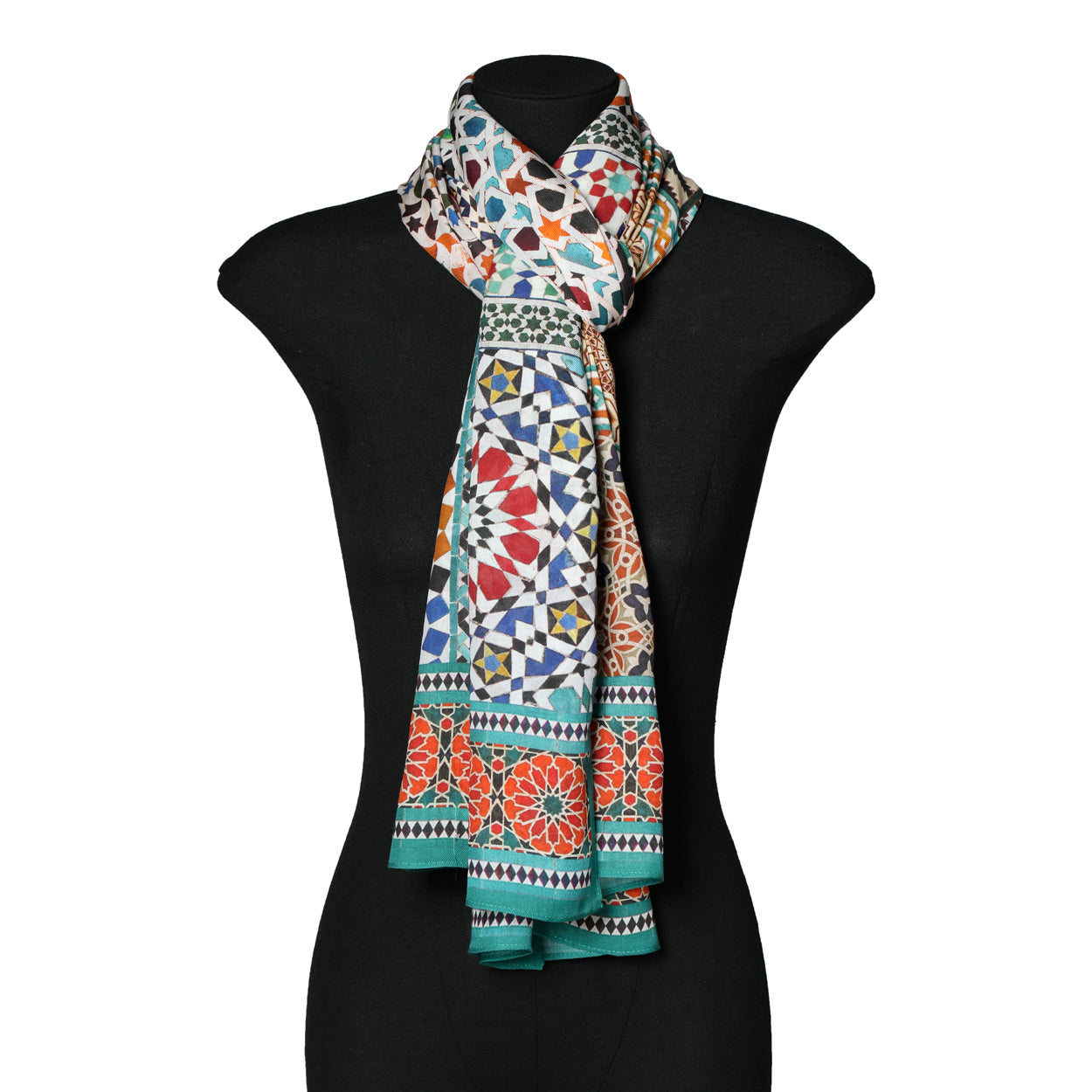
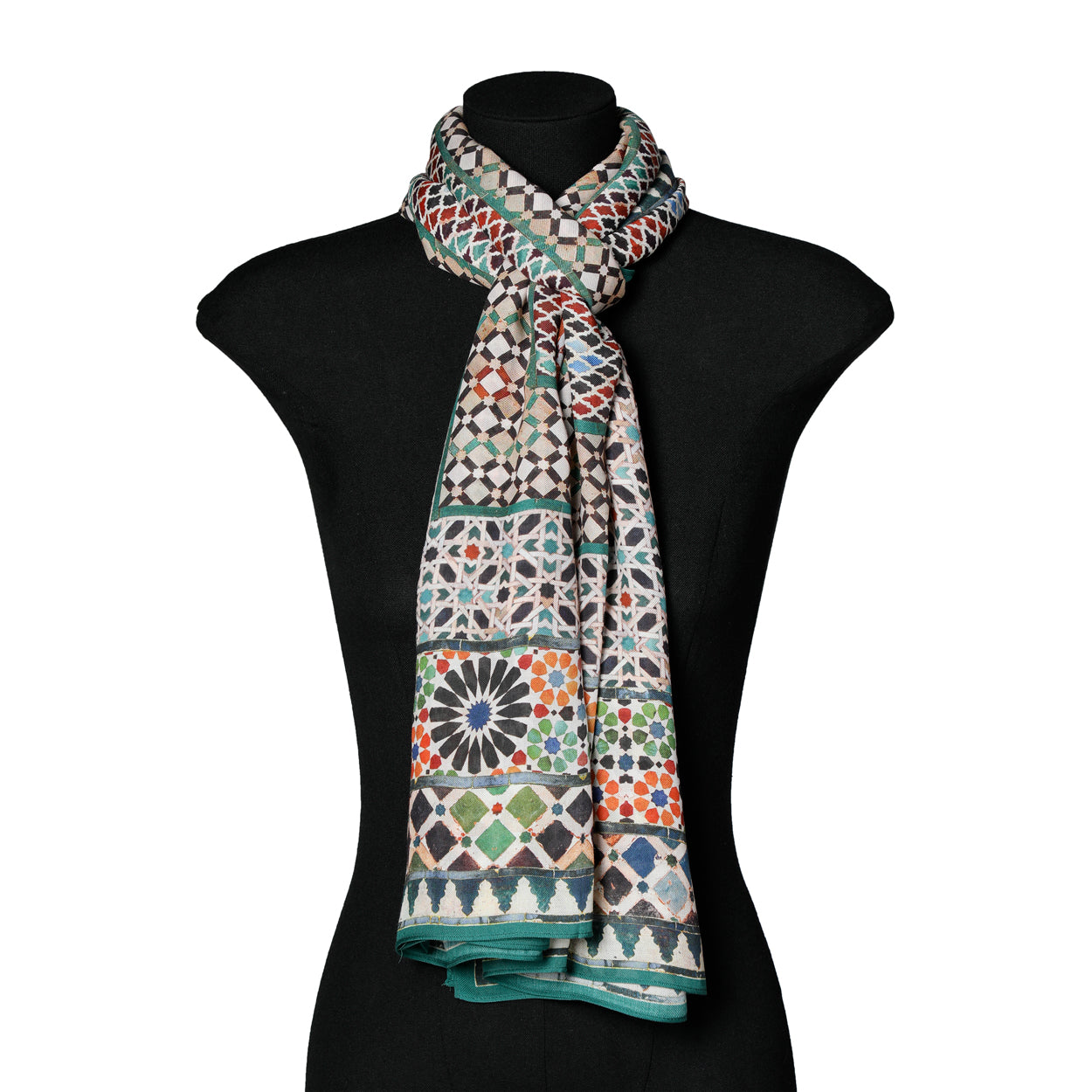
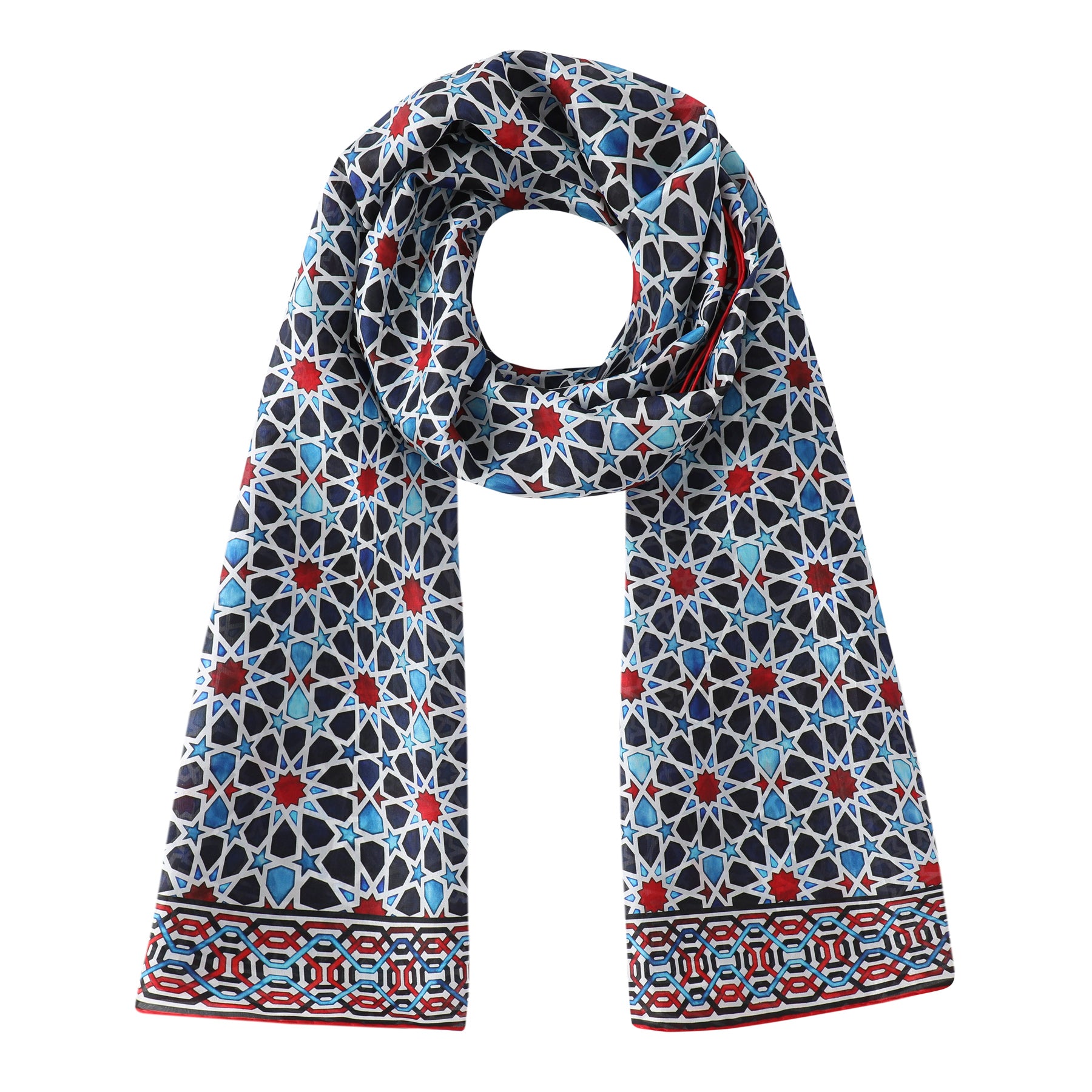
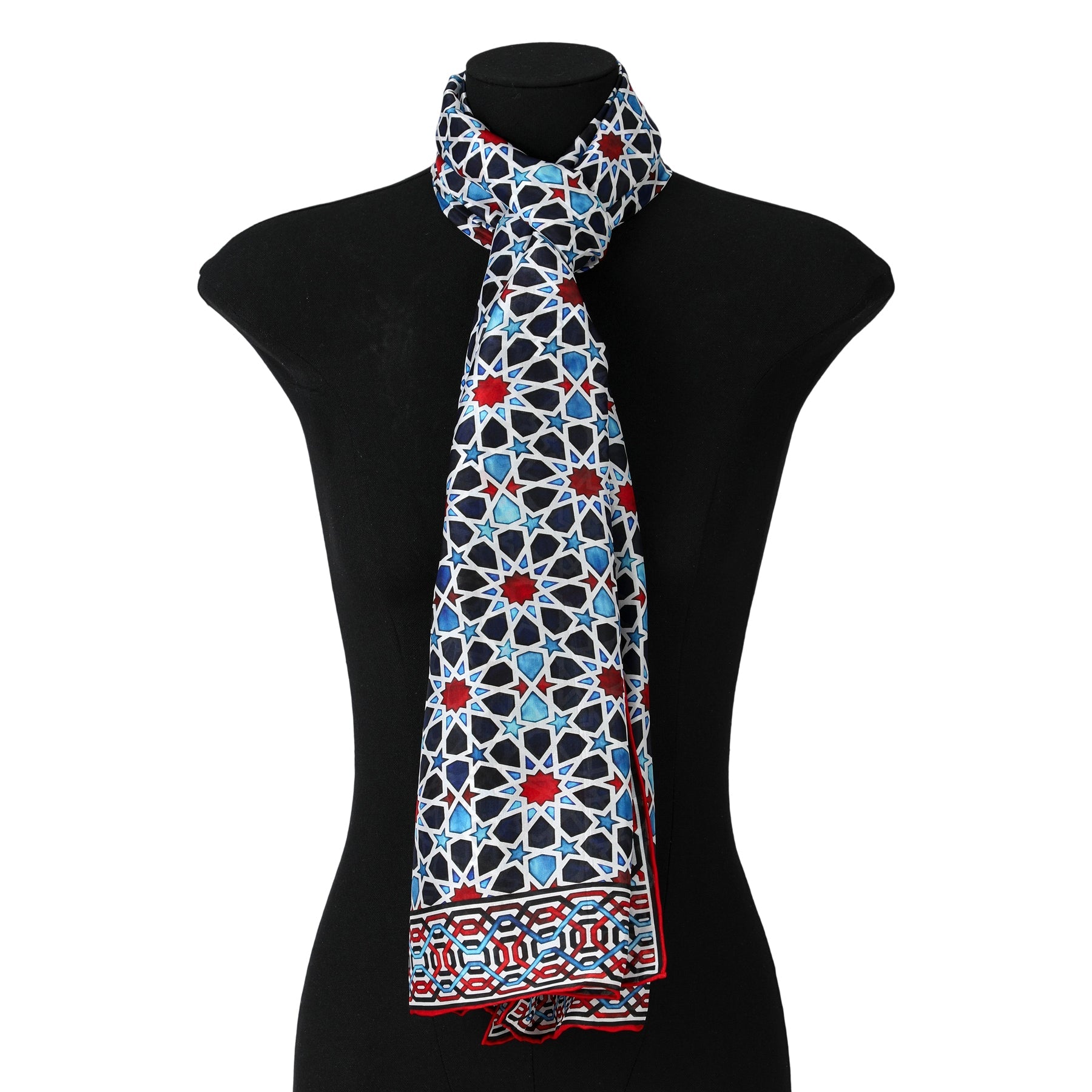
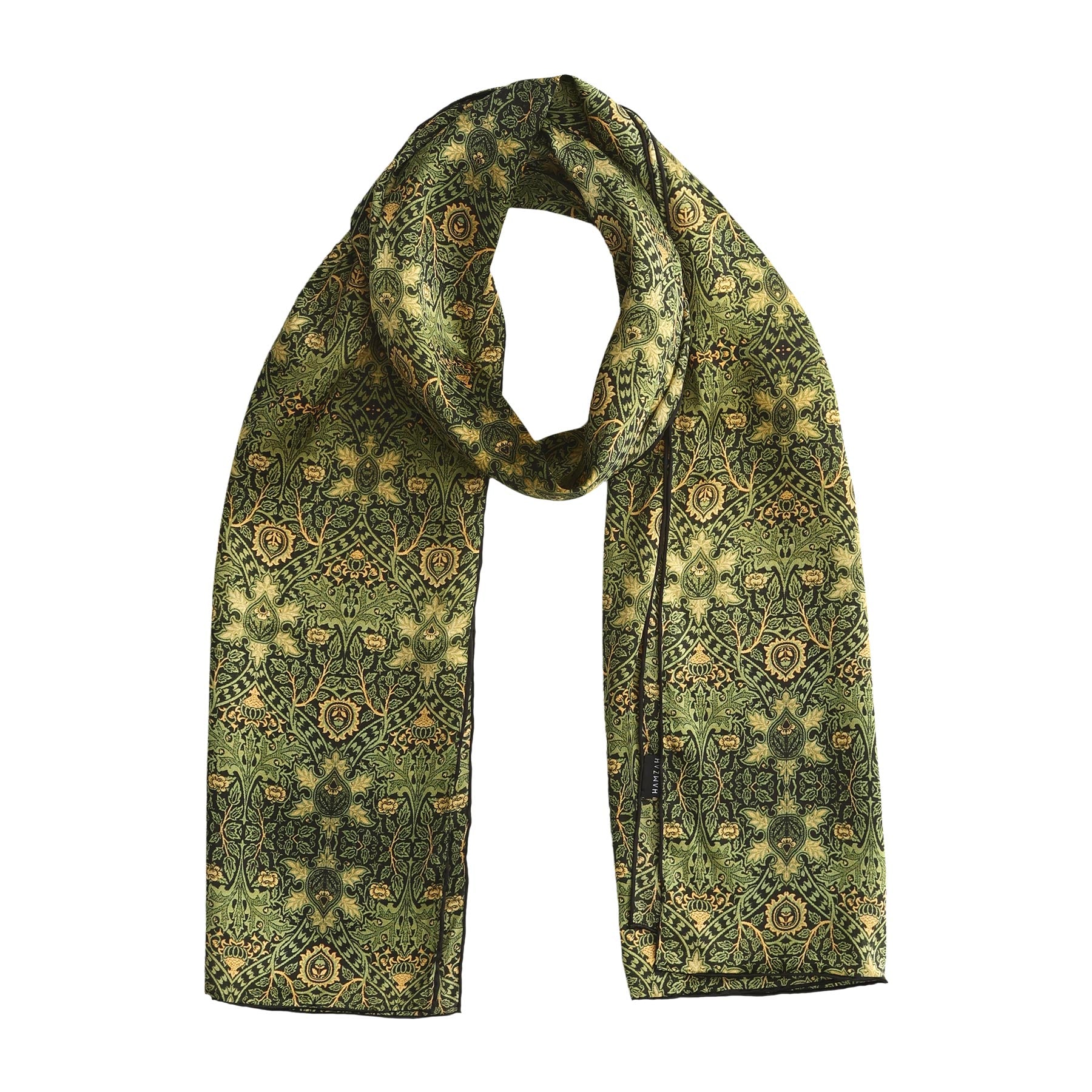
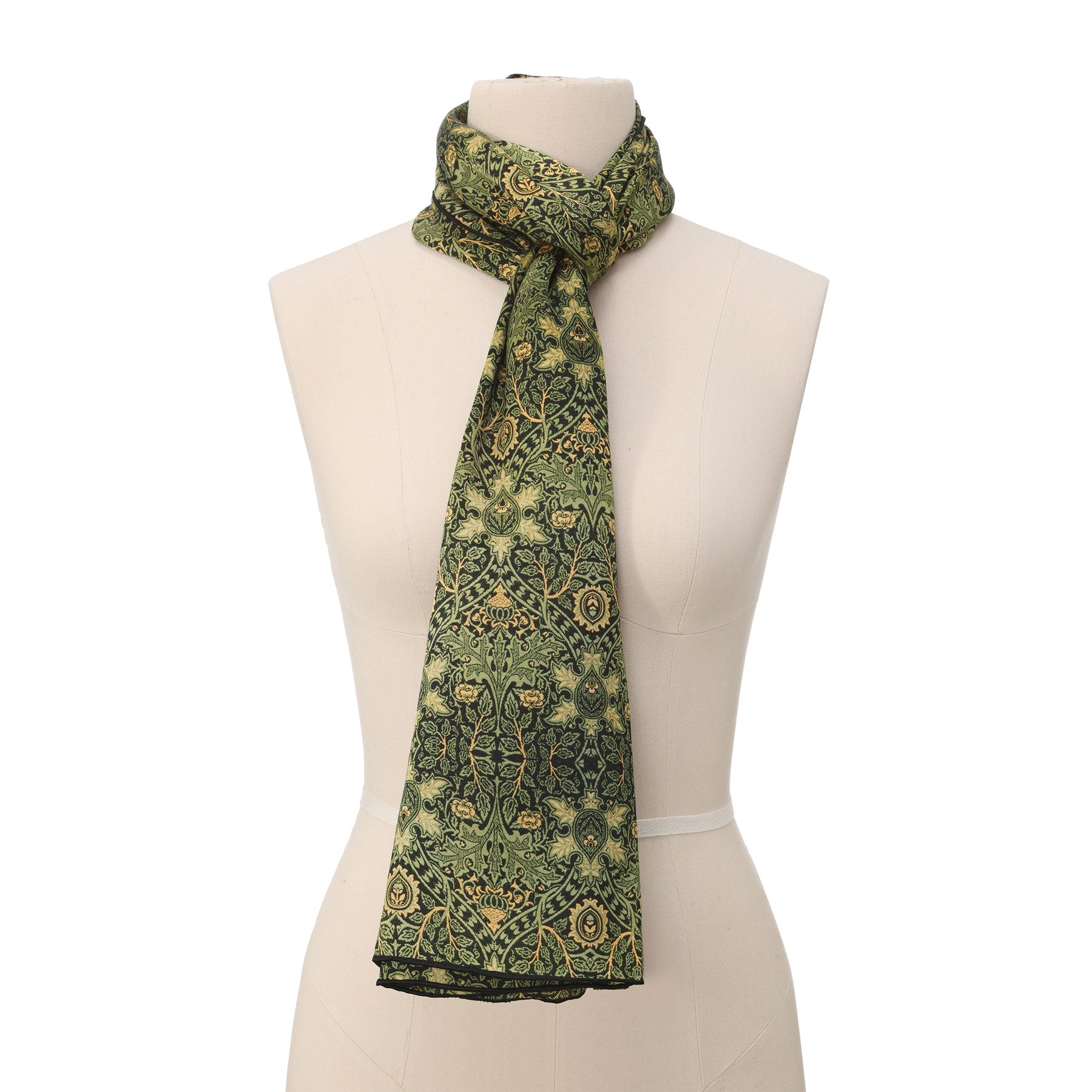
At Munira, we honor that heritage through our scarves and shawls inspired by Andalusian geometry and color. Each design brings history to life in a piece of wearable art.
Frequently Asked Questions
Why is it called Mozarabic art?
Because it was created by “Mozarabs” — Christians who lived under Muslim rule and adopted elements of Arabic culture in their art.
Where can you see Mozarabic art in Spain?
Mostly in northern regions like León, Zamora, Palencia, Burgos, and Cantabria.
What’s the difference between Mozarabic and Mudejar art?
Mozarabic art was made by Christians living in Muslim territory. Mudejar art, on the other hand, was created by Muslim artisans in Christian lands.
Conclusion
Mozarabic art stands as a symbol of coexistence and harmony. It shows how two great traditions — Christian and Islamic — came together to create beauty. A timeless reminder that art can unite where words or borders cannot.





Leave a comment
This site is protected by hCaptcha and the hCaptcha Privacy Policy and Terms of Service apply.