

Mudejar Art: Characteristics and Everything You Need to Know
What happens when two worlds meet and create something entirely new? That’s the story of Mudejar art, a style born only in Spain — where Islamic craftsmanship and Christian architecture merged to produce an artistic language unlike any other.
1. What Is Mudejar Art

Mudejar art emerged in the Iberian Peninsula between the 12th and 16th centuries. It was created by Muslim artisans working under Christian rule after the Reconquista.
Its genius lies in combining two traditions: the precision and geometry of Islamic art with the structural styles of Gothic and Romanesque architecture.
This wasn’t a coincidence. It was the result of centuries of coexistence and admiration between cultures that shared a deep love for beauty and harmony.
2. Main Characteristics of Mudejar Art

Mudejar art has a very distinctive identity. Its main features include:
-
Brickwork as both structural and decorative material.
-
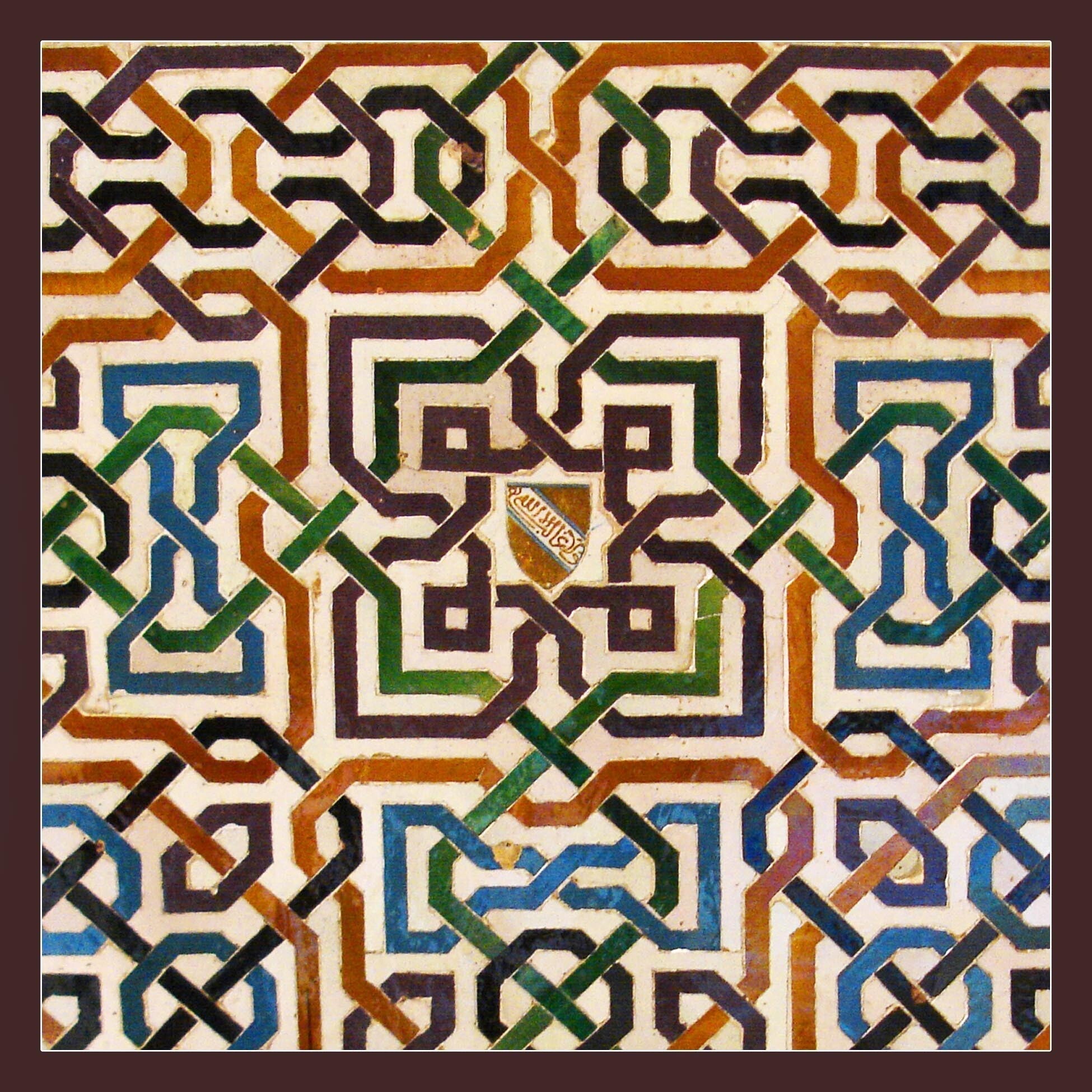
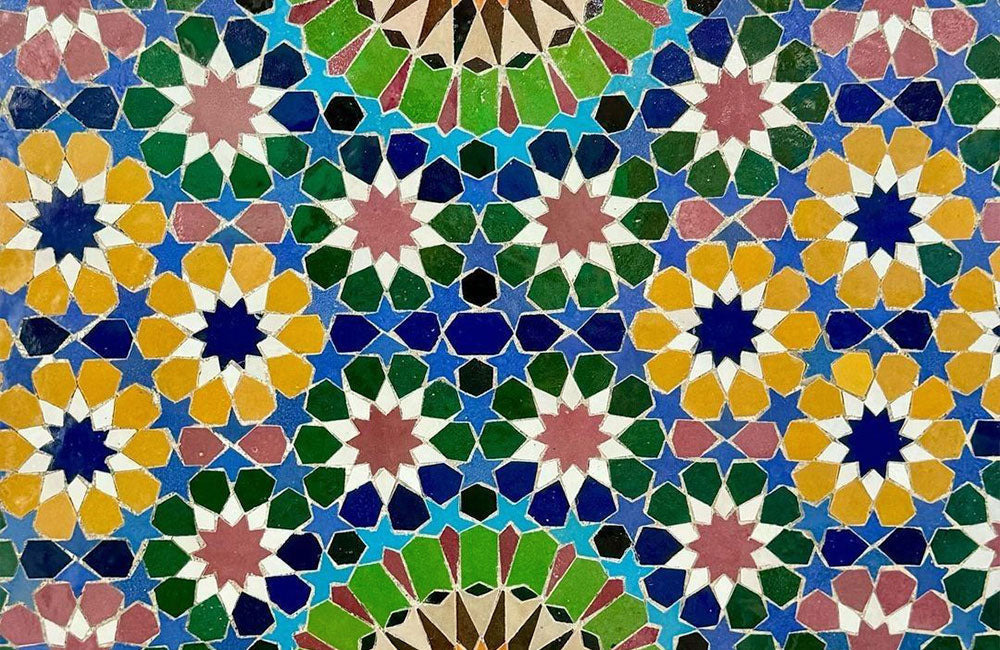
Geometric decoration inspired by Islamic patterns.
-
Carved plasterwork and glazed tiles in vibrant blues, greens, and golds.
-
Horseshoe arches and ribbed vaults, echoing the Arabic tradition.
-
Floral and calligraphic motifs that bring movement and rhythm to each surface.
These elements can be seen in churches, palaces, and towers where Christian architecture embraces Muslim artistry.
3. Outstanding Examples of Mudejar Art

Spain is filled with masterpieces that preserve this exceptional style. Some of the most remarkable include:
-
Church of San Tirso in Sahagún (León) — one of the earliest Mudejar temples.
-
The Tower of El Salvador in Teruel — famous for its glazed ceramic patterns and perfect symmetry.
-
The Alcázar of Seville — a jewel blending Nasrid and Christian influences, where every corner tells a story.
-
The Casa de Pilatos (Seville) — showcasing Mudejar ceilings and tiles that embody Andalusian craftsmanship.
Each of these examples reveals how Mudejar art adapted to different regions while preserving its Islamic soul through ornamentation and geometry.
4. Mudejar Influence in Modern Design

Mudejar style is not just a relic of the past — it continues to inspire modern design, from architecture to fashion.
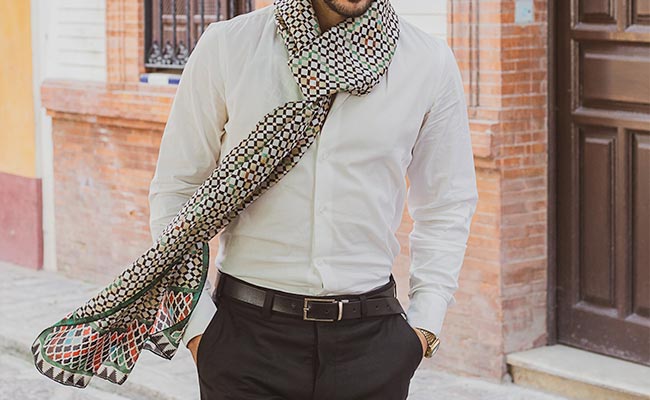
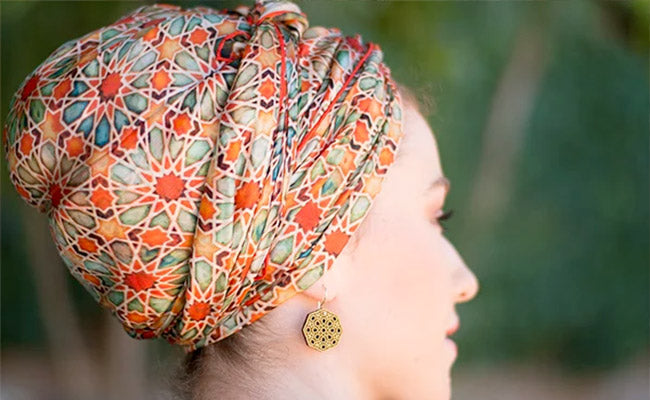
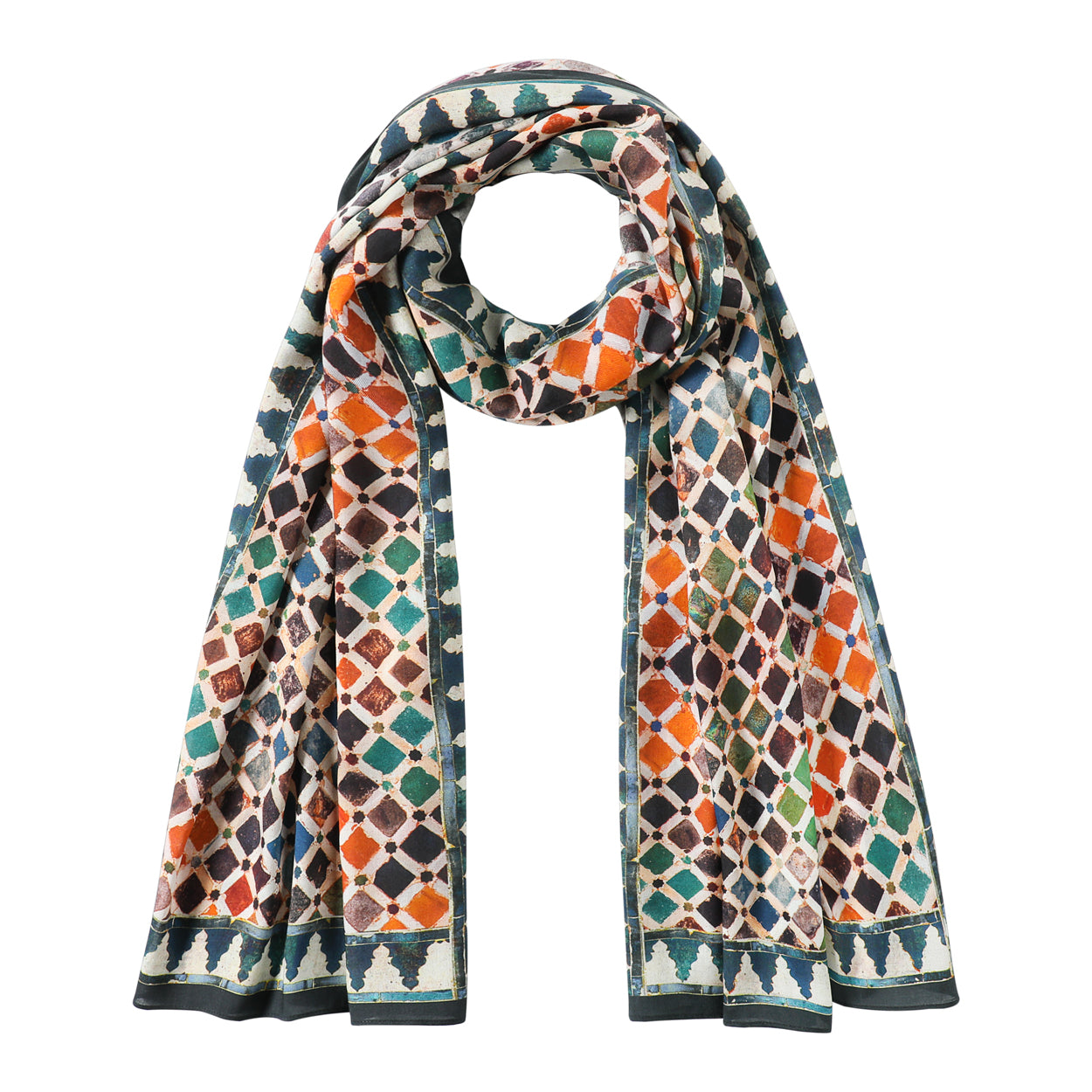
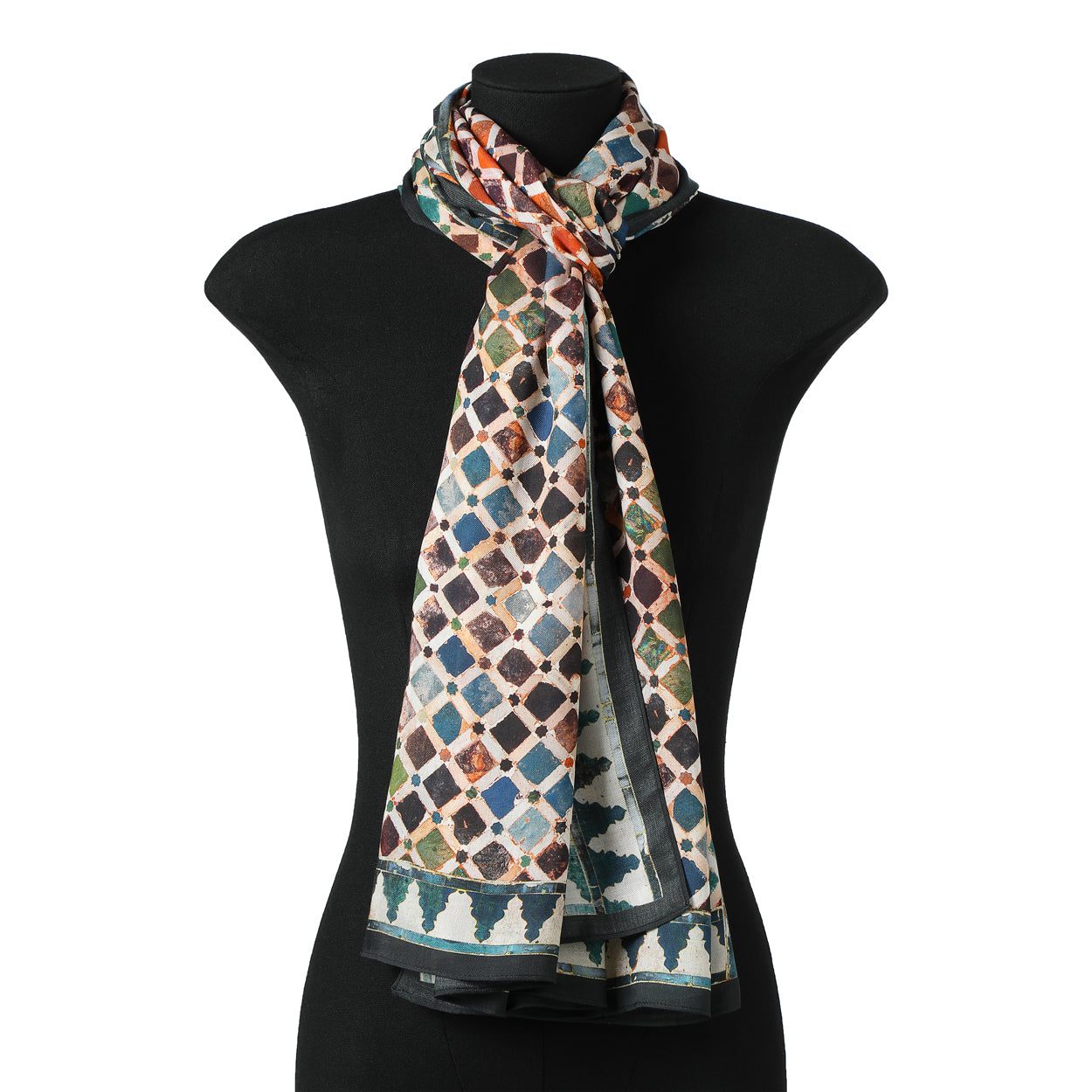
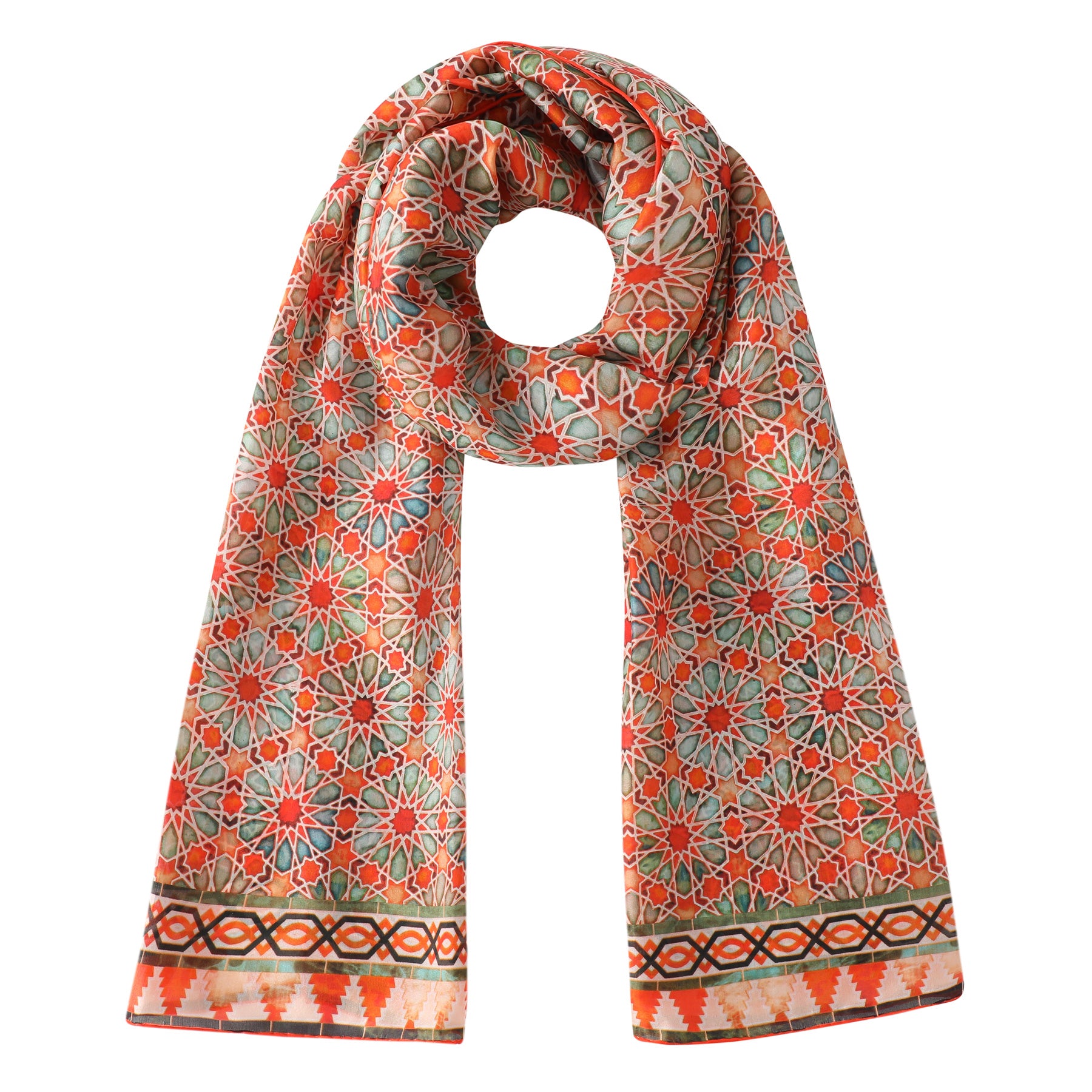
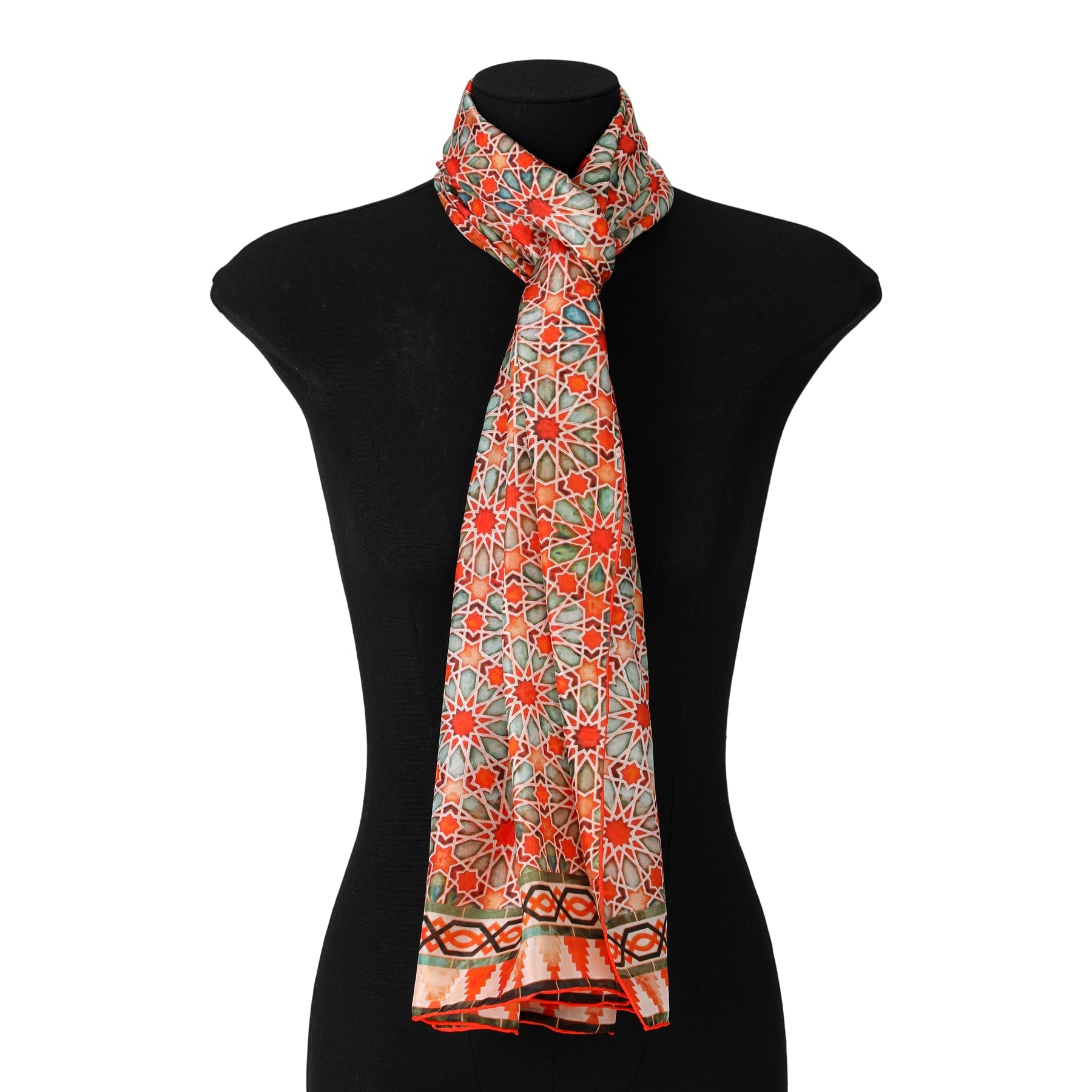
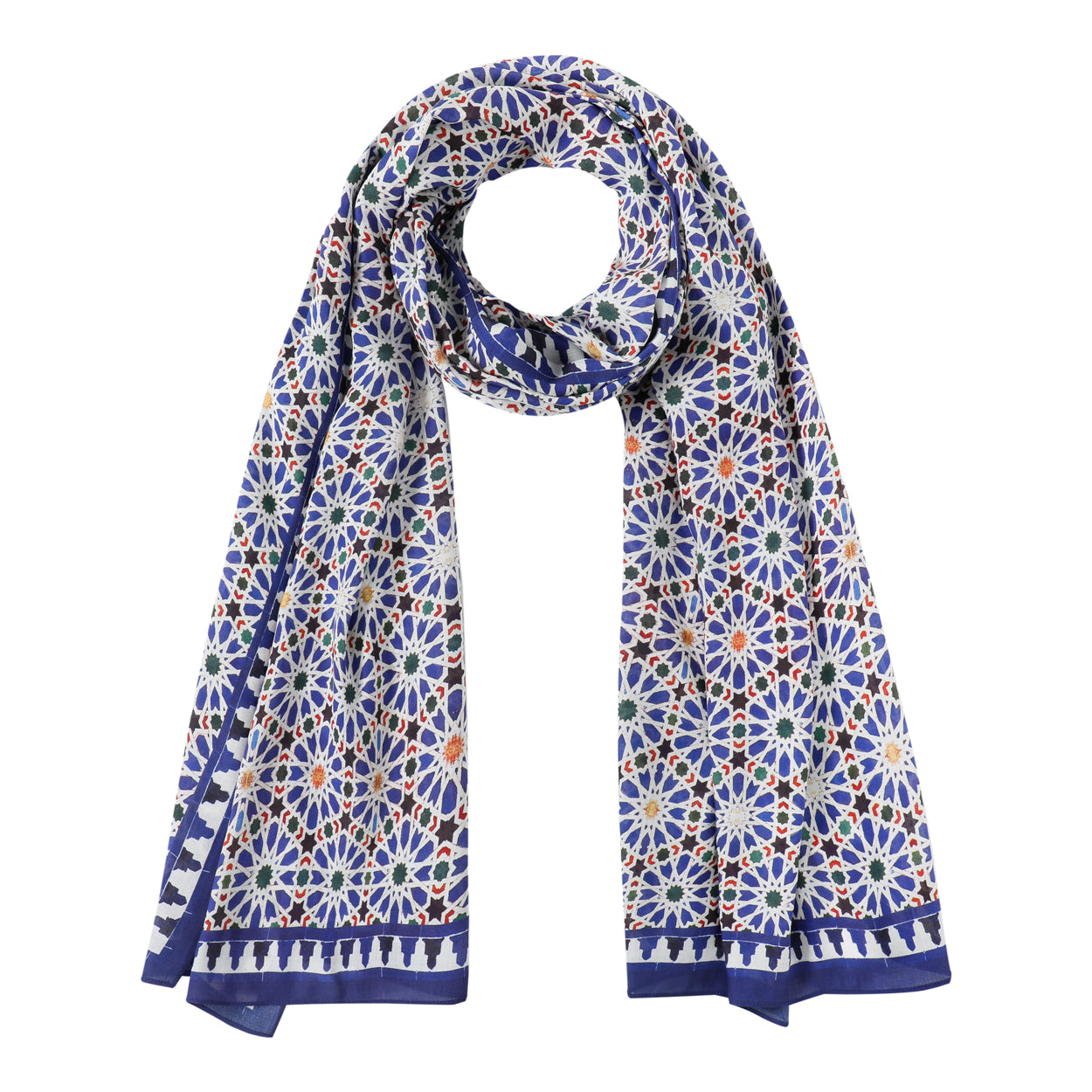
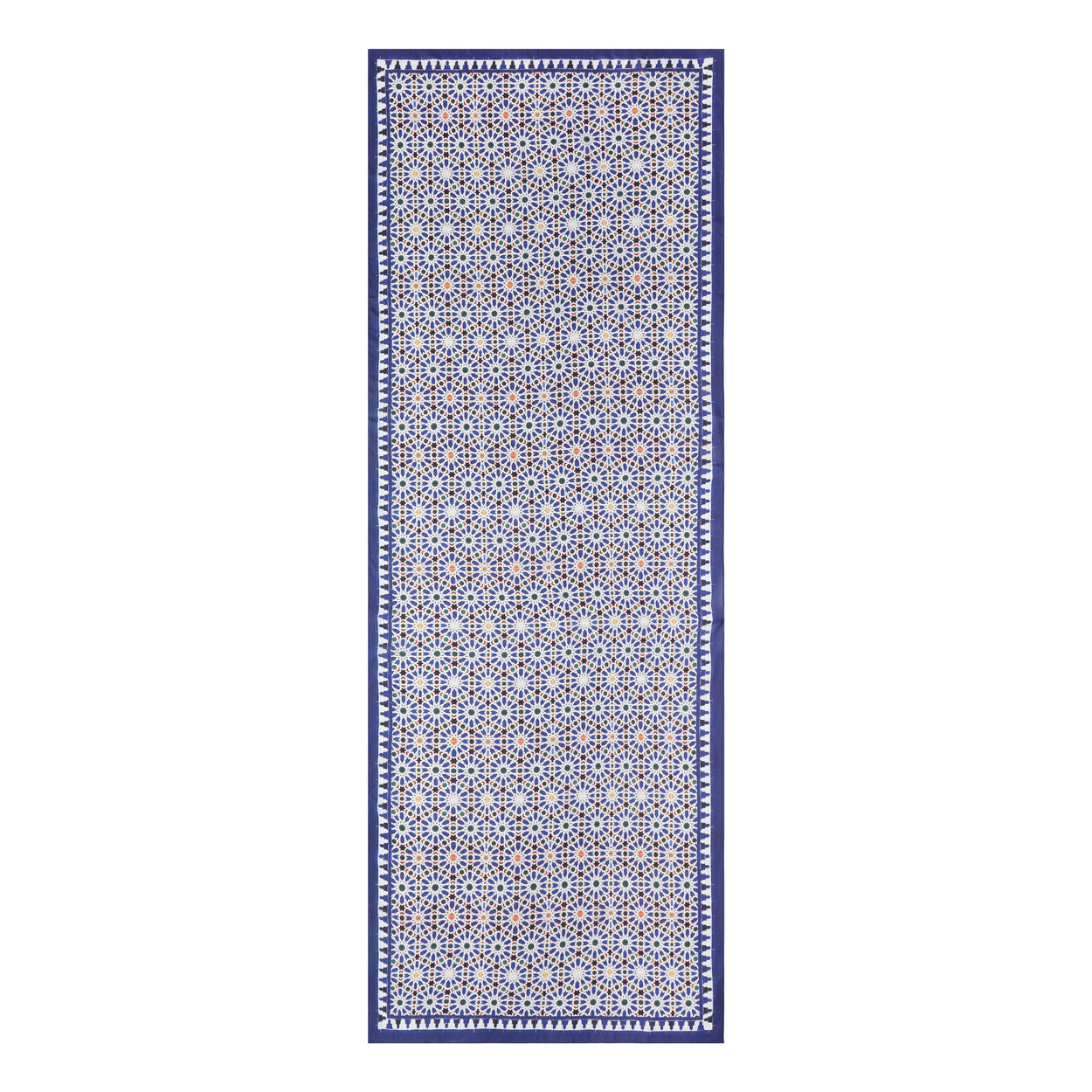
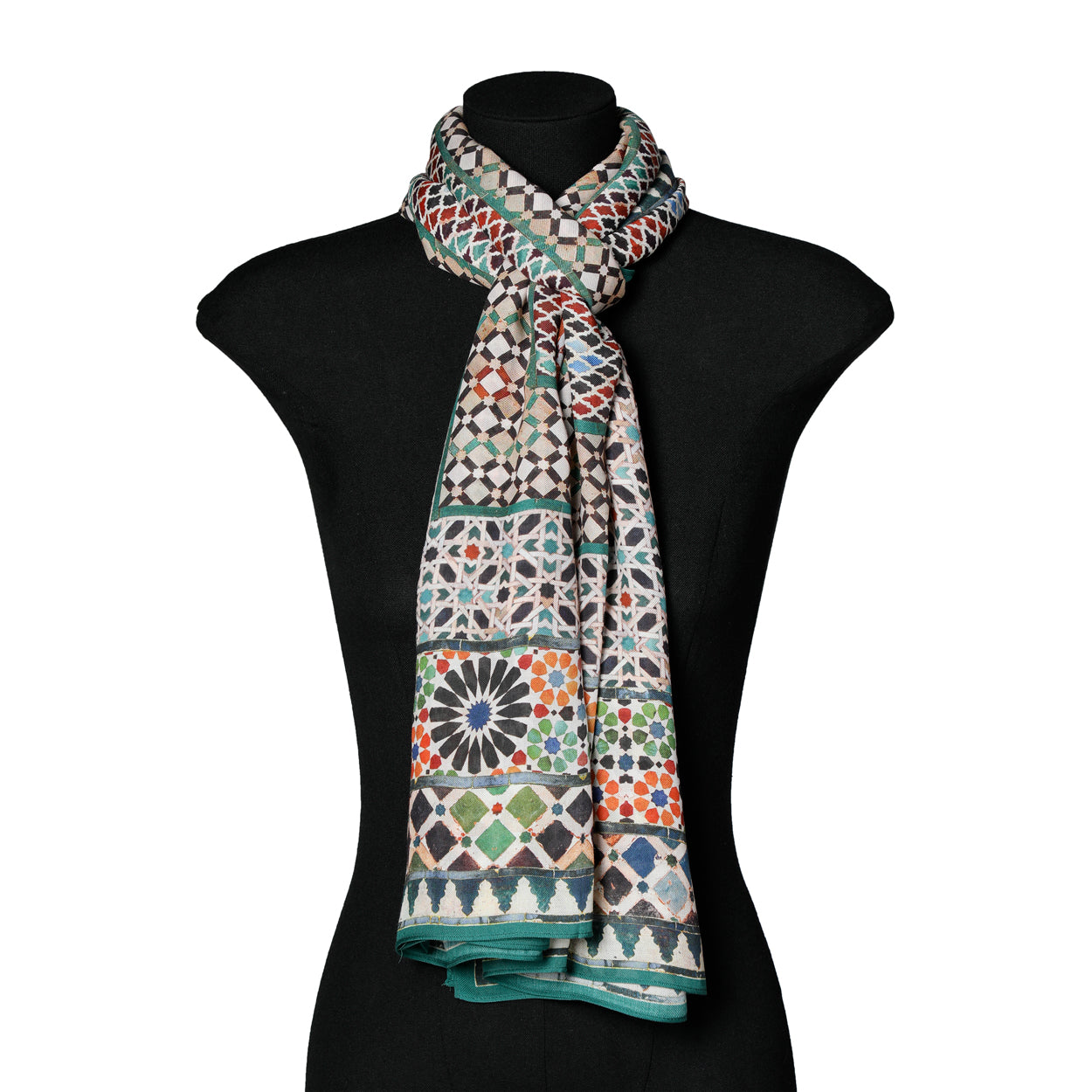
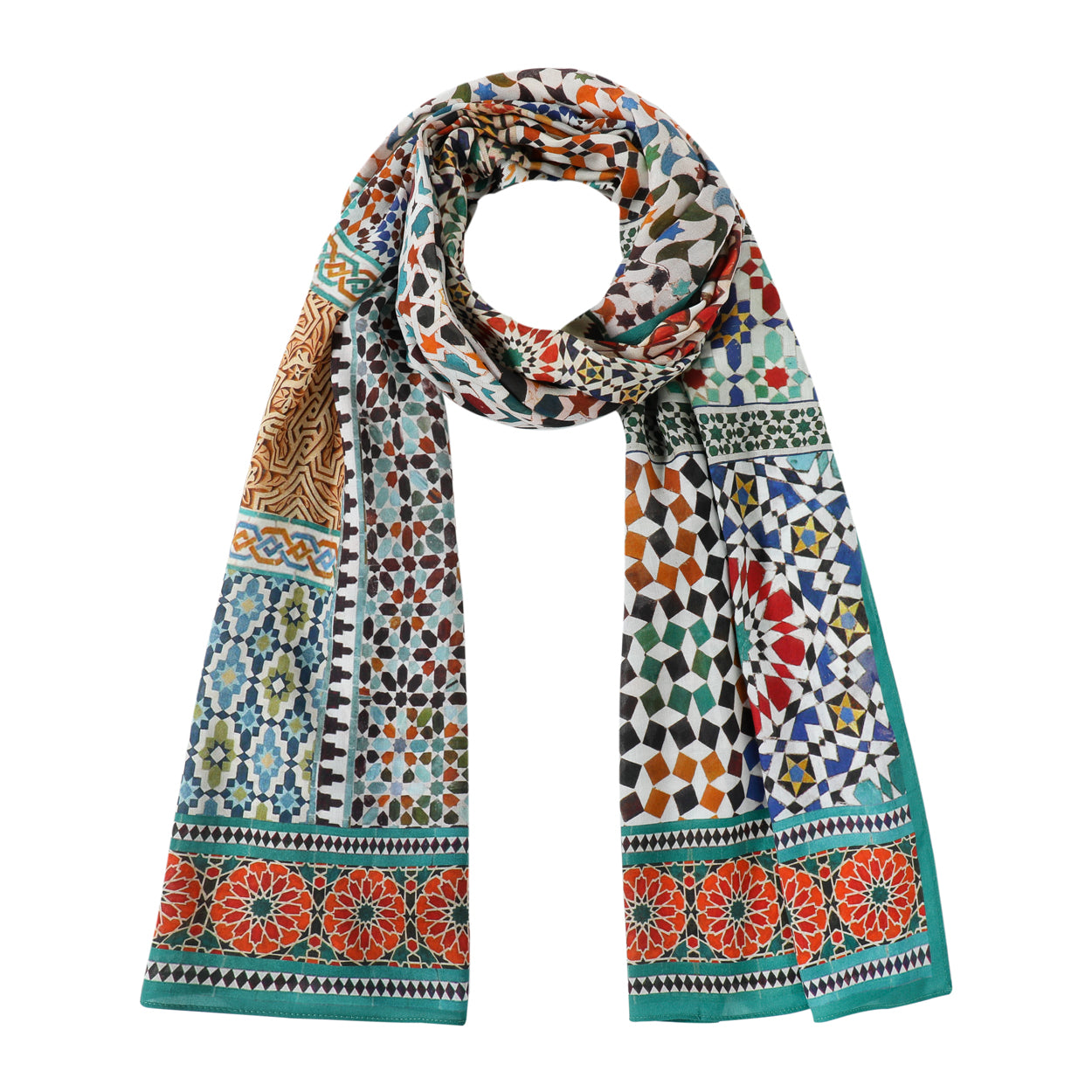
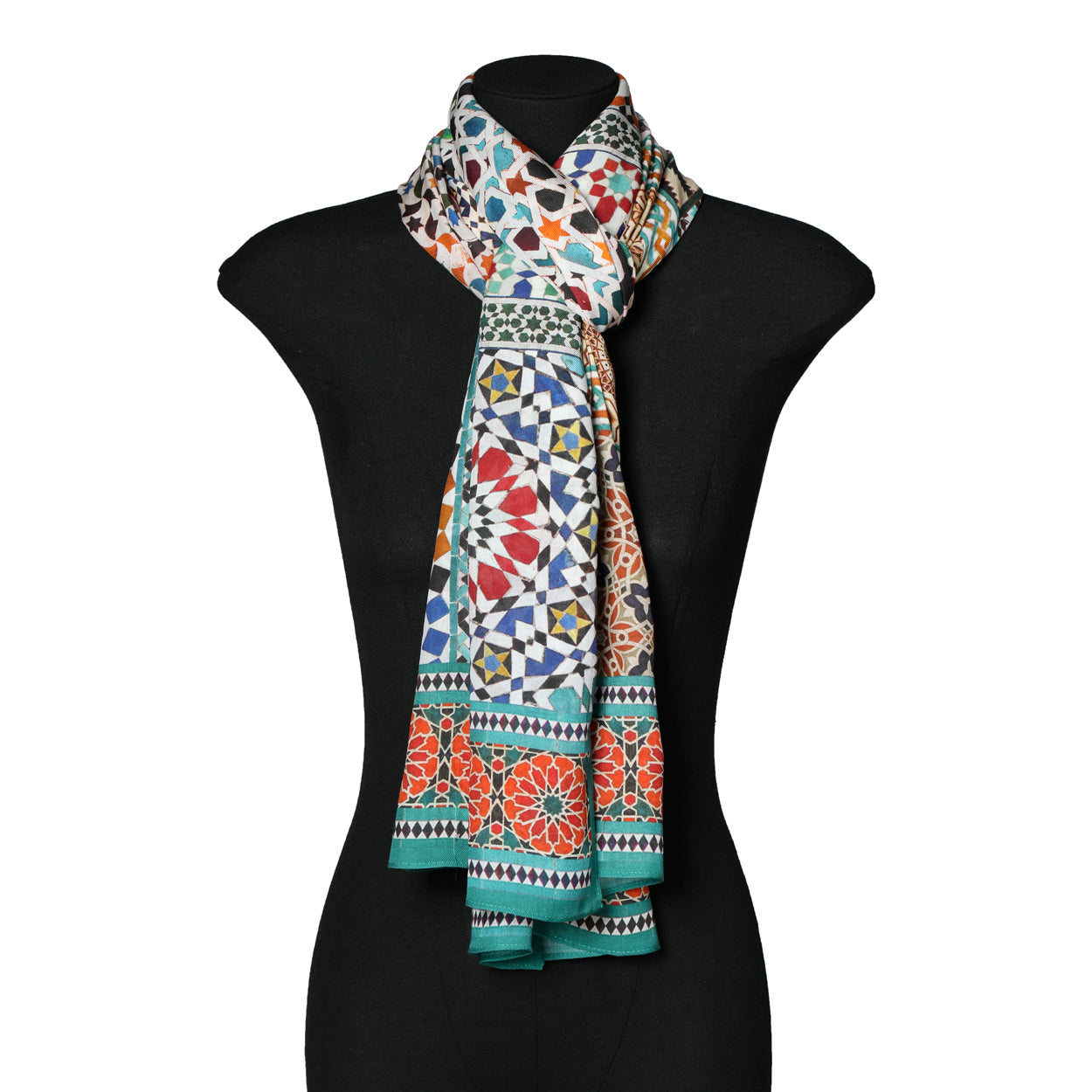
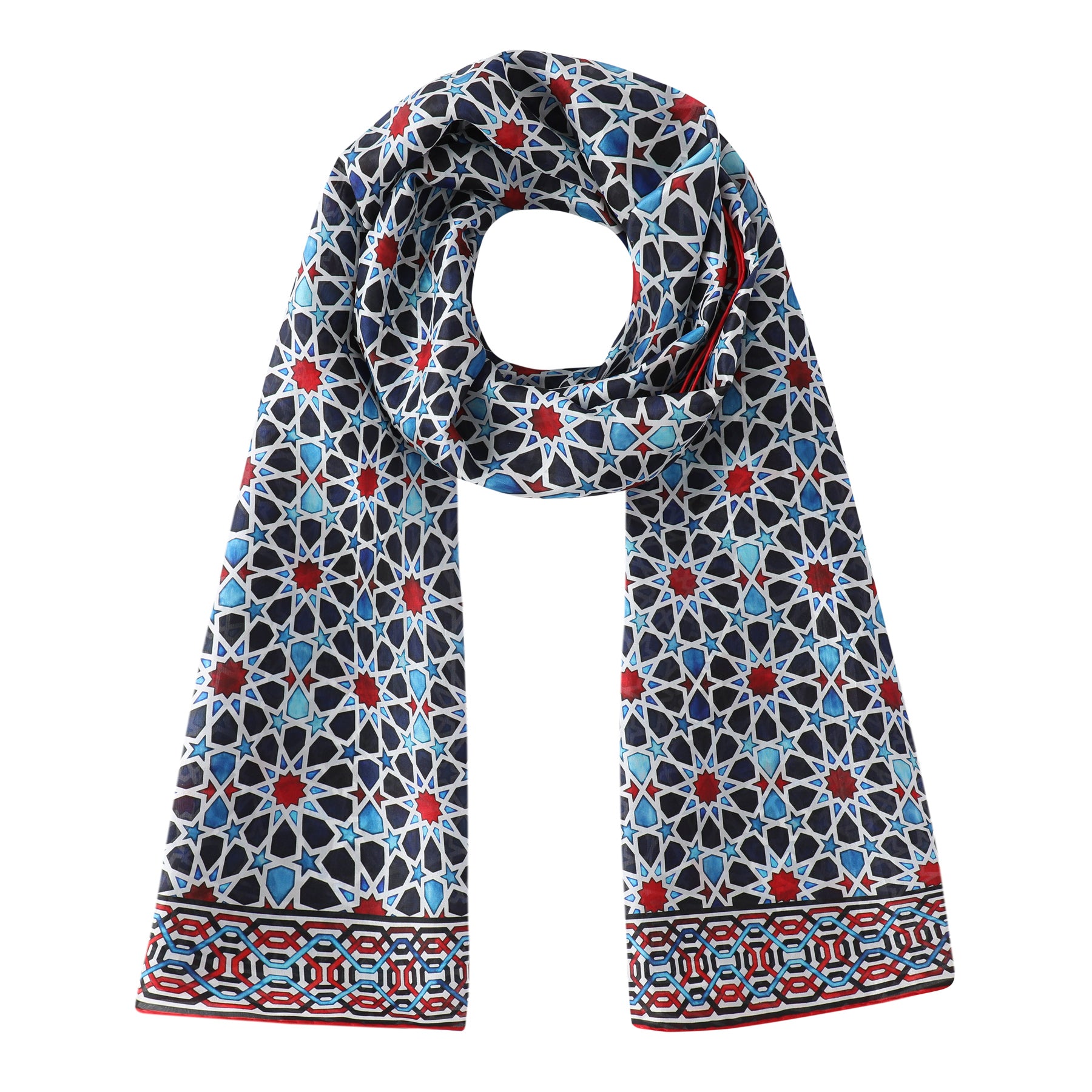
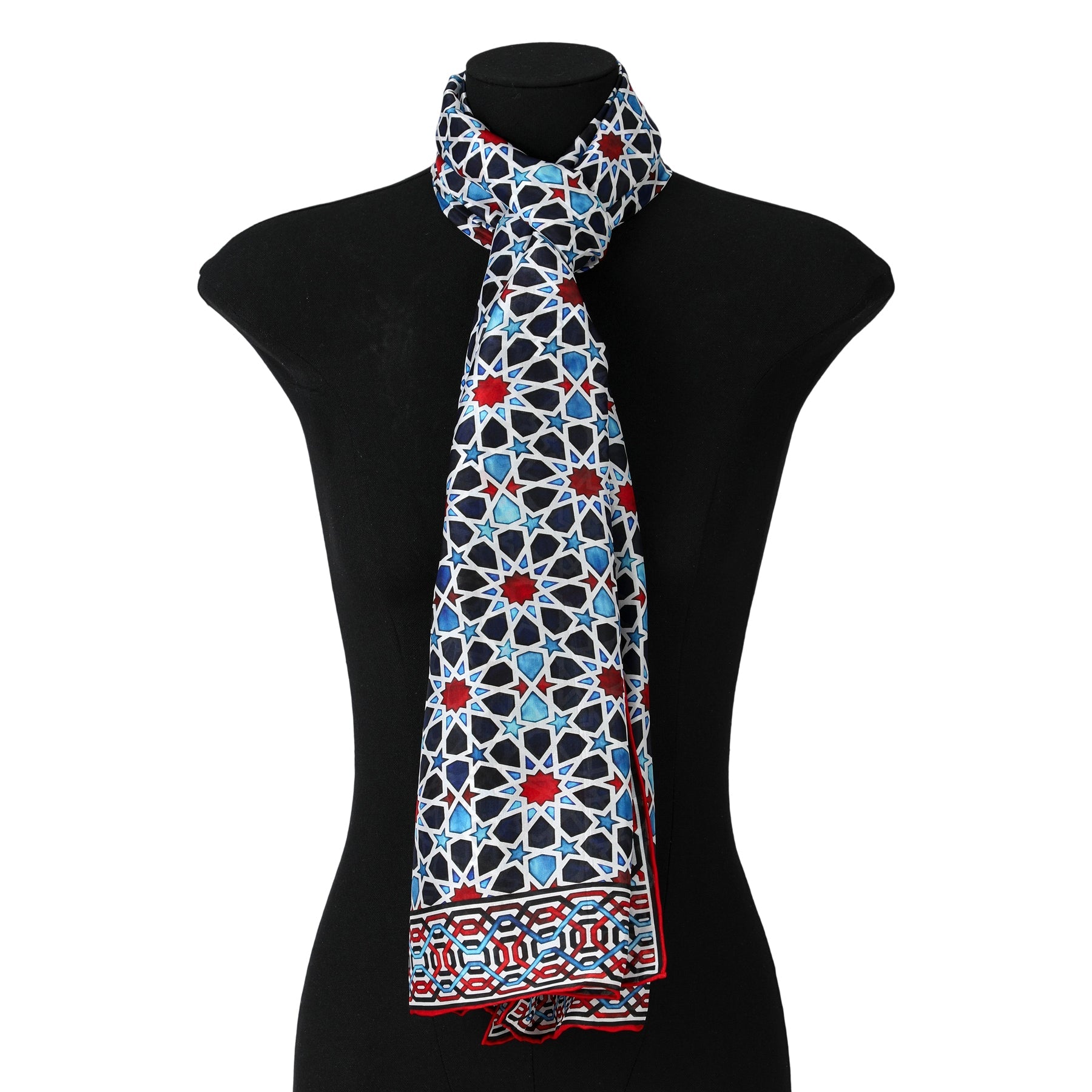
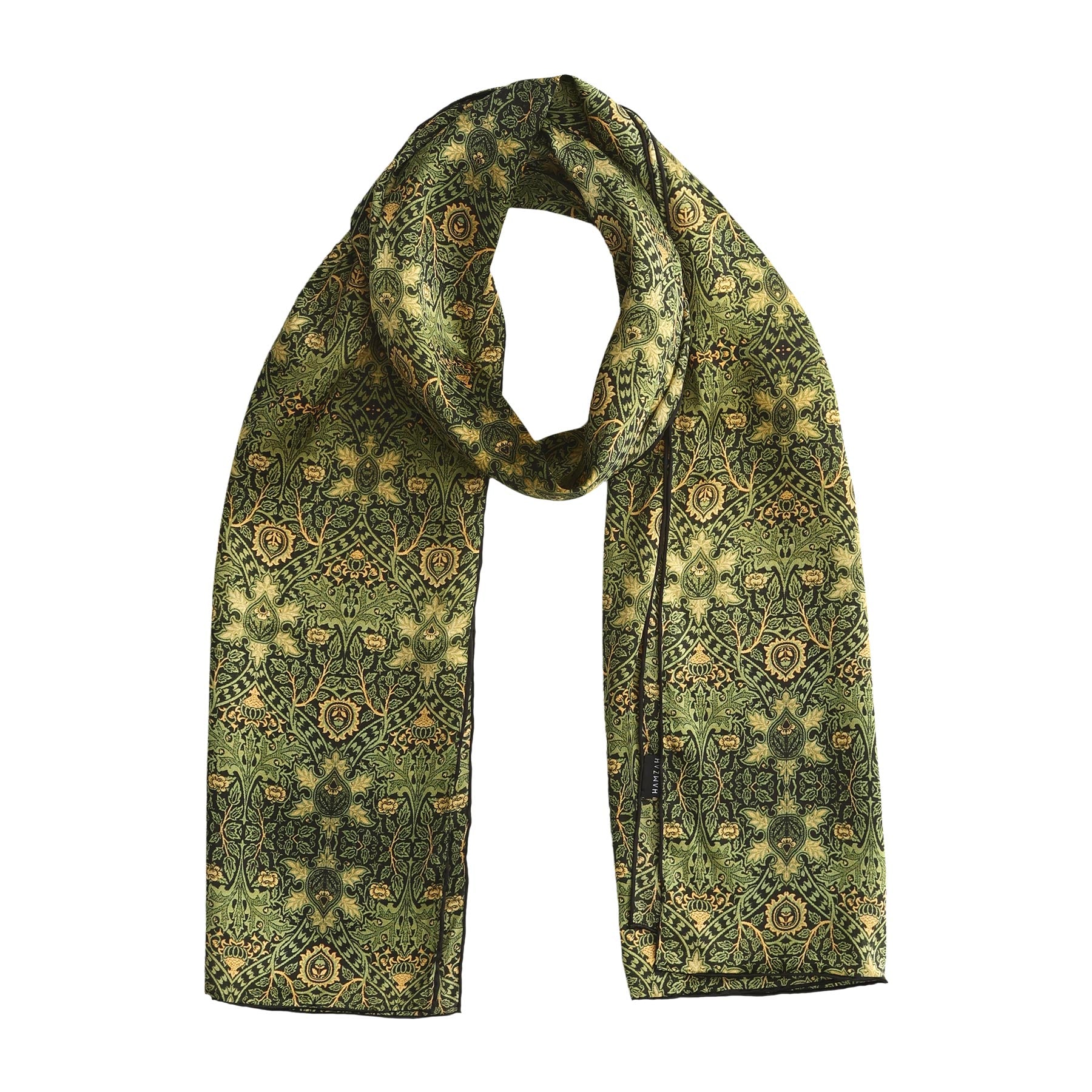
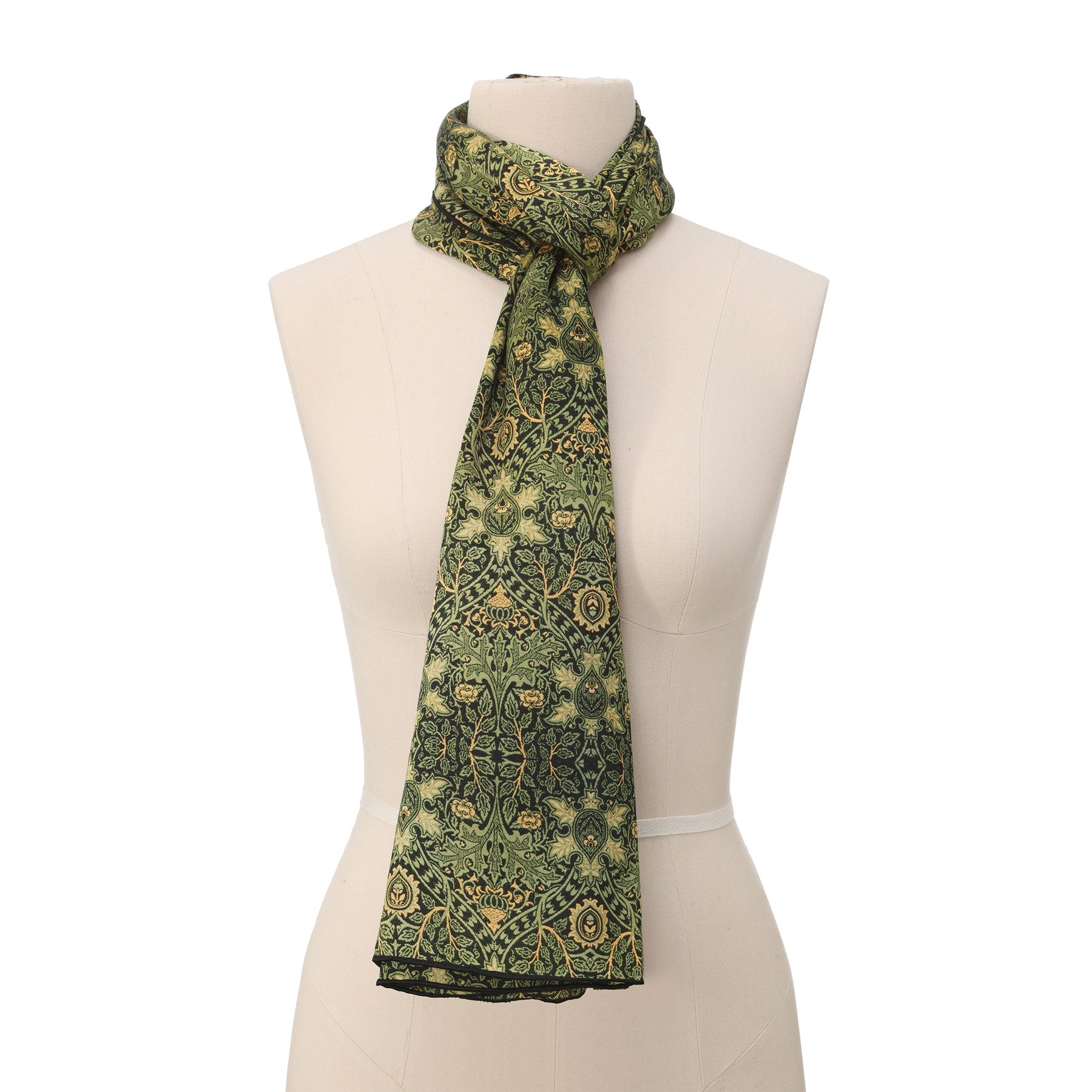
Its geometric harmony, earthy colors, and decorative rhythm are reimagined today in pieces like the scarves and shawls by Munira, inspired by Andalusian art and the beauty of the Alhambra.
Frequently Asked Questions
What does the word “Mudejar” mean?
It comes from the Arabic mudayyan, meaning “those allowed to remain,” referring to Muslims who stayed in Christian territories after the Reconquista.
What materials are typical of Mudejar art?
Mainly brick, plaster, ceramic, and carved wood.
Why does Mudejar art exist only in Spain?
Because Spain was the only place where Islamic, Christian, and Jewish cultures coexisted for centuries, creating a unique artistic synthesis.
Conclusion
Mudejar art is the visible trace of shared history. It fuses the precision of Islamic geometry with the spirituality of Christian architecture. Every arch, every tile, every carved pattern tells a story of coexistence and beauty.
It’s not just an art form to look at — it’s one to feel, admire, and preserve.




Leave a comment
This site is protected by hCaptcha and the hCaptcha Privacy Policy and Terms of Service apply.