

Differences between natural silk and artifical silk
Natural silk is one of the most treasured fabrics in the world of fashion and craftsmanship. Its shine, softness, and unique properties have made it synonymous with luxury and sophistication. However, it’s common to find garments and accessories in the market labeled as “silk,” when in fact they are made of synthetic or artificial fibers that only imitate its appearance but lack its quality and benefits.
In this article, we’ll show you the key differences between natural silk and artificial silk, so you can identify them and always choose an authentic, long-lasting piece.
Properties of Natural Silk
Natural silk is unmistakable. Both to the touch and to the eye, it conveys elegance and comfort. But its qualities go beyond aesthetics:
Hypoallergenic & anti-dust mite → perfect for sensitive skin, it doesn’t trap dust or odors.
Breathable & thermoregulating → keeps you cool in summer and warm in winter.
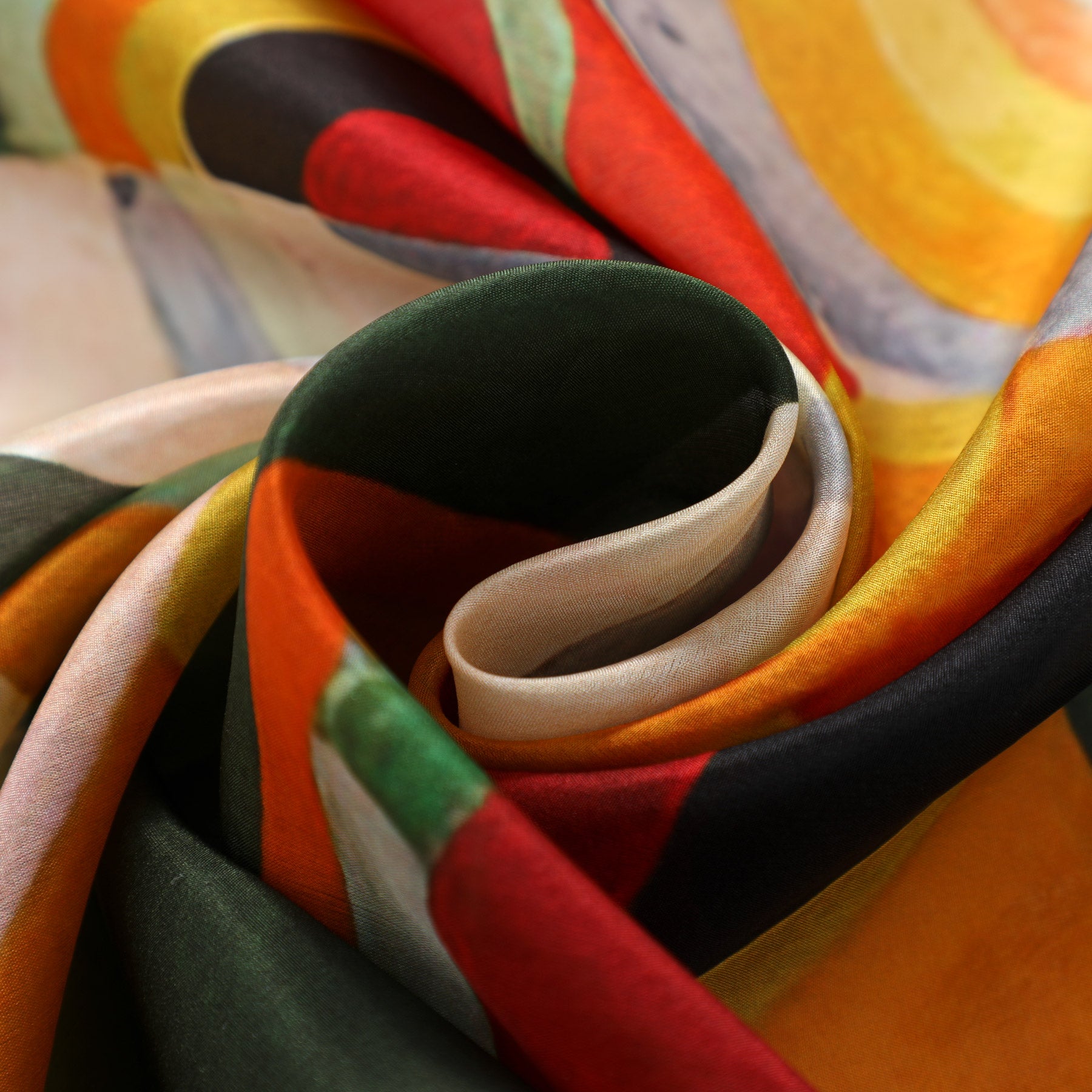
Lightweight & soft → the finest natural fiber in the world, with a relaxing, soothing touch.
Resistant & durable → delicate in appearance but naturally strong.
Elegant drape & flow → its fluid movement is unmatched by synthetics.
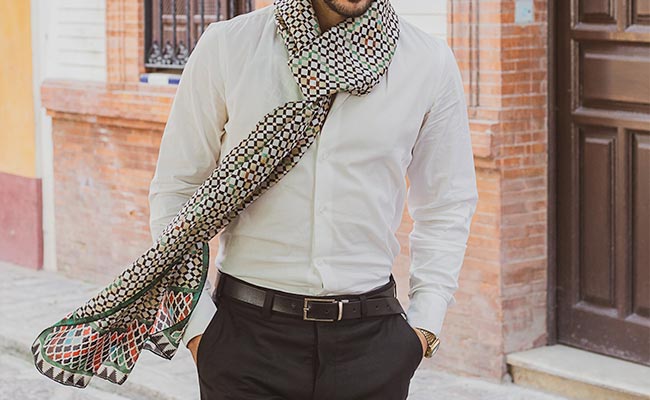
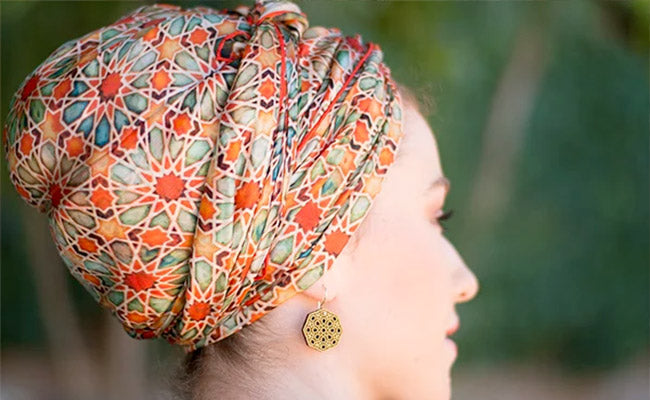
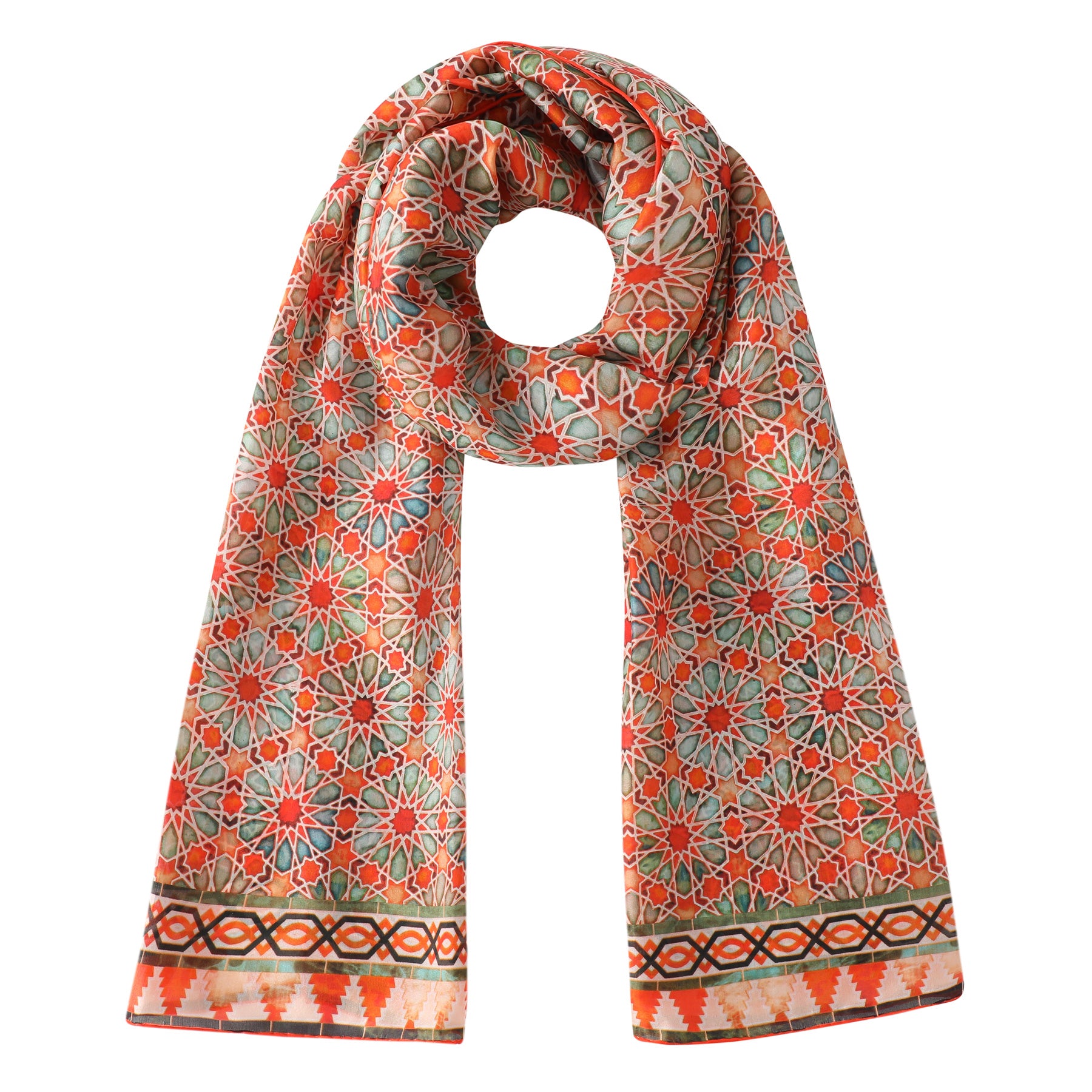
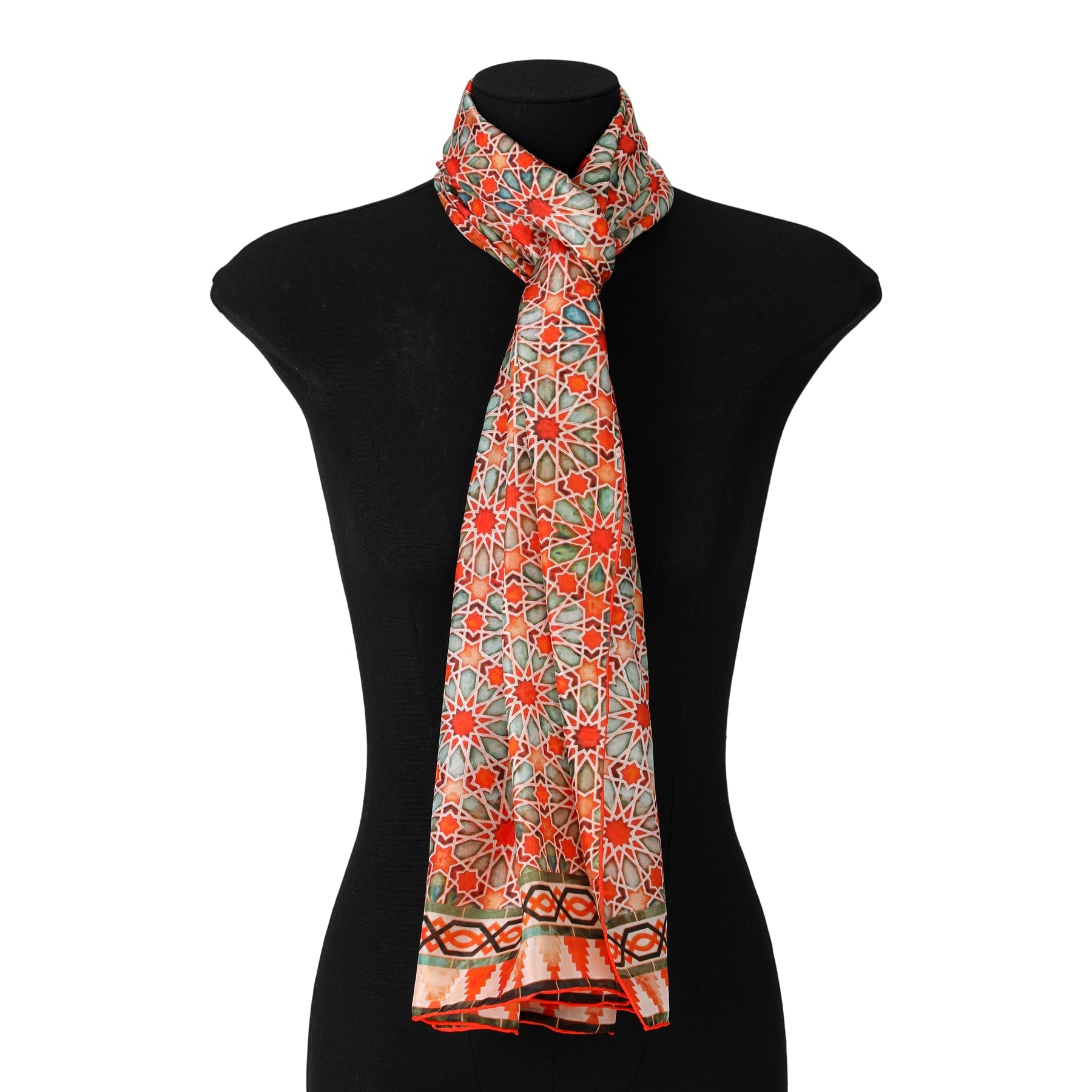
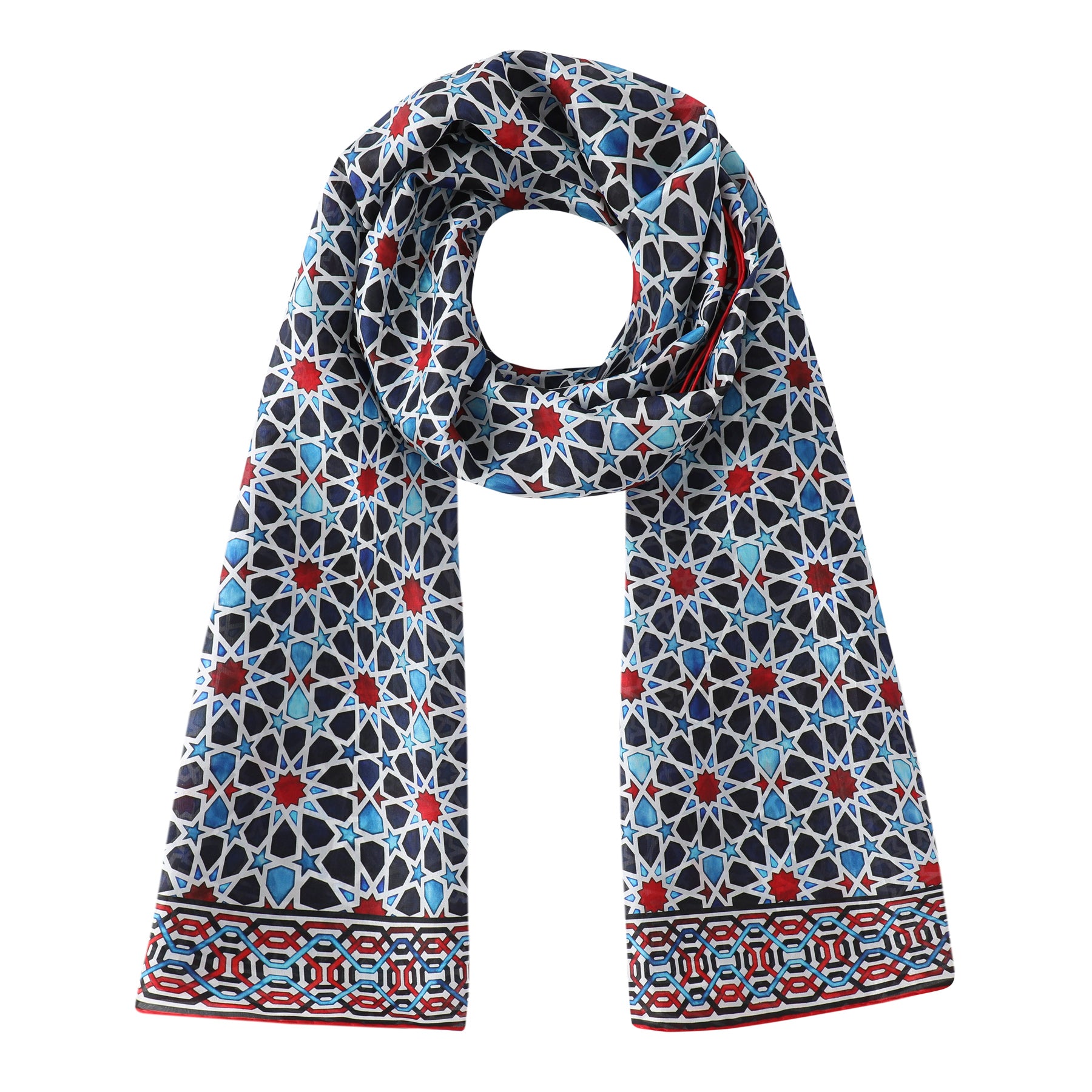
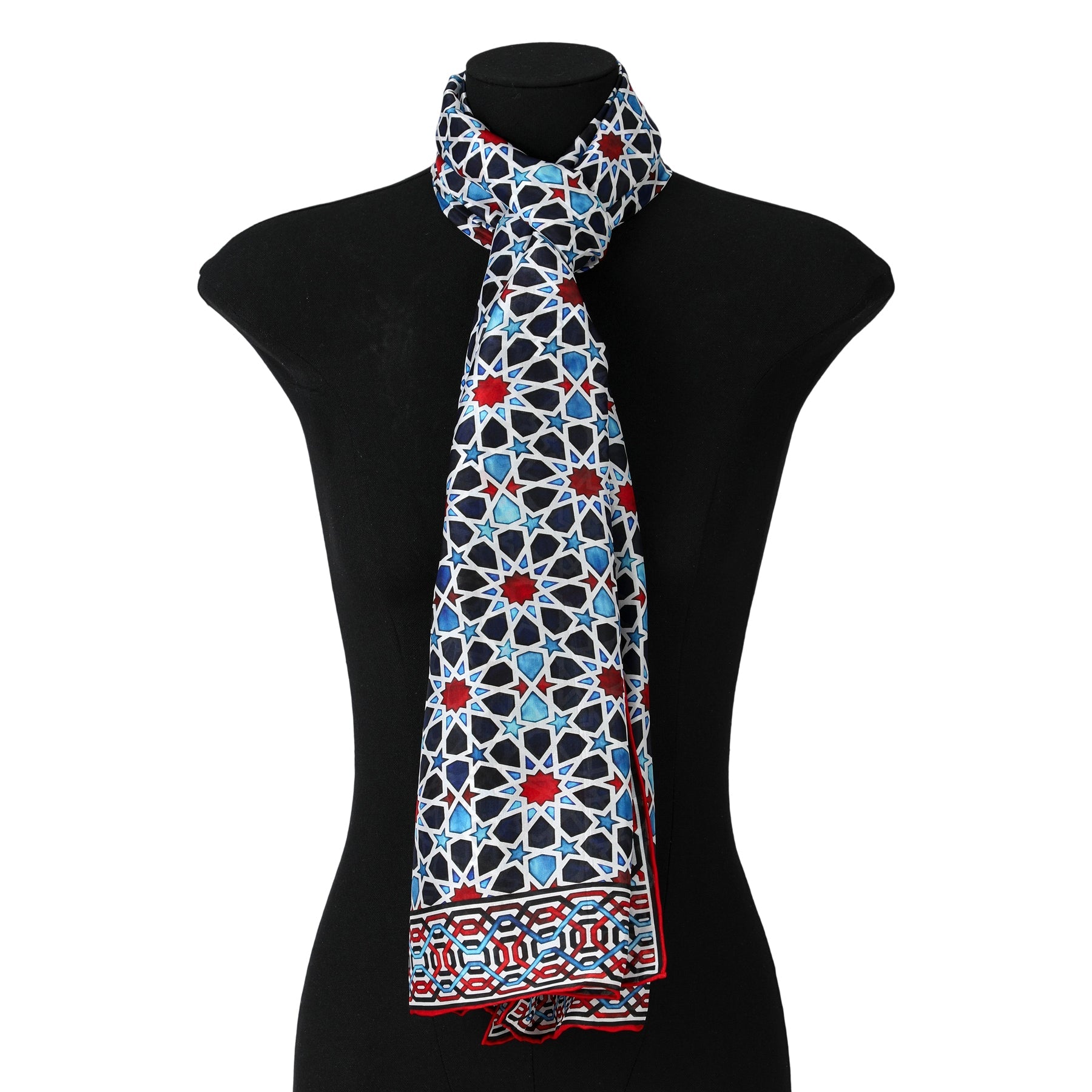
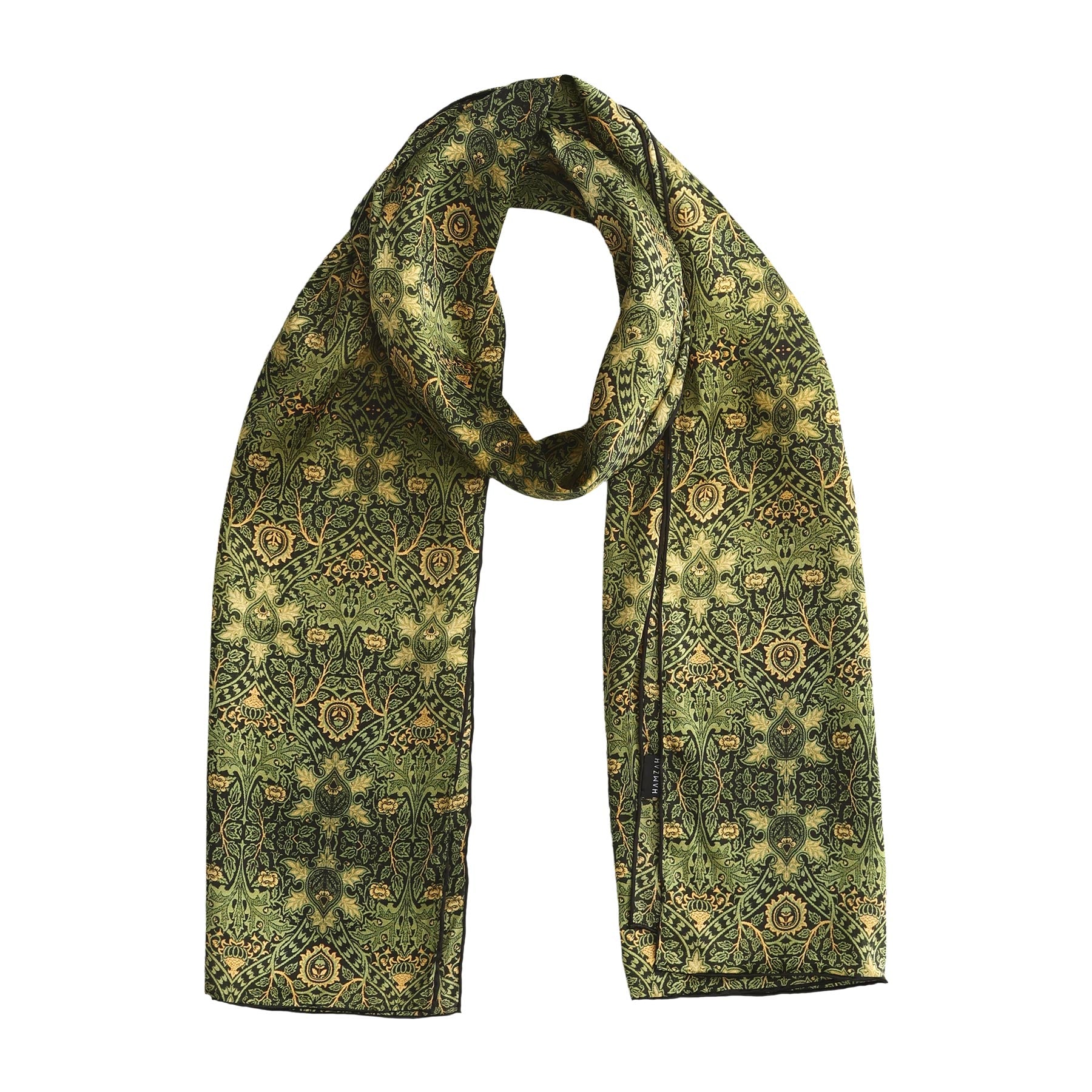
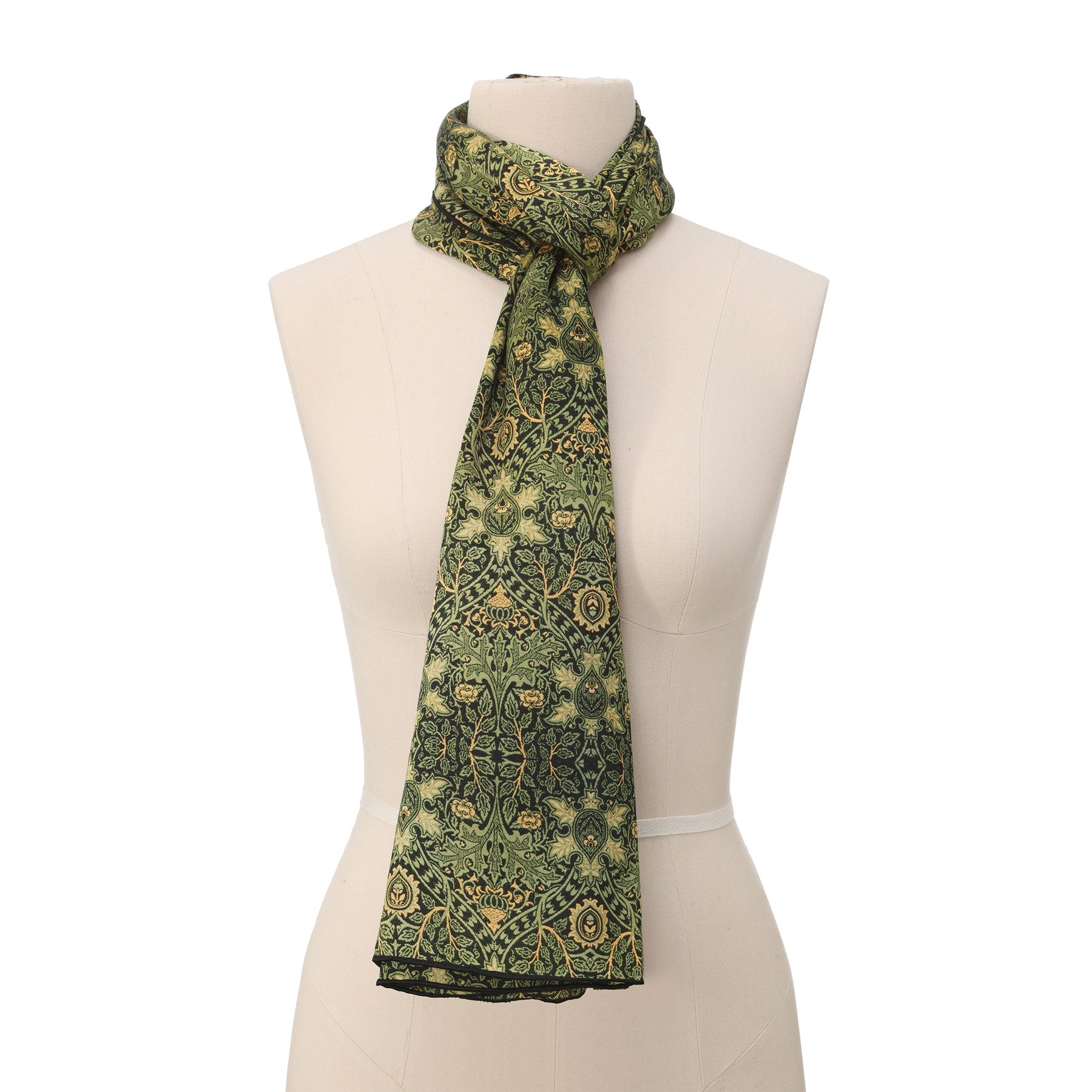
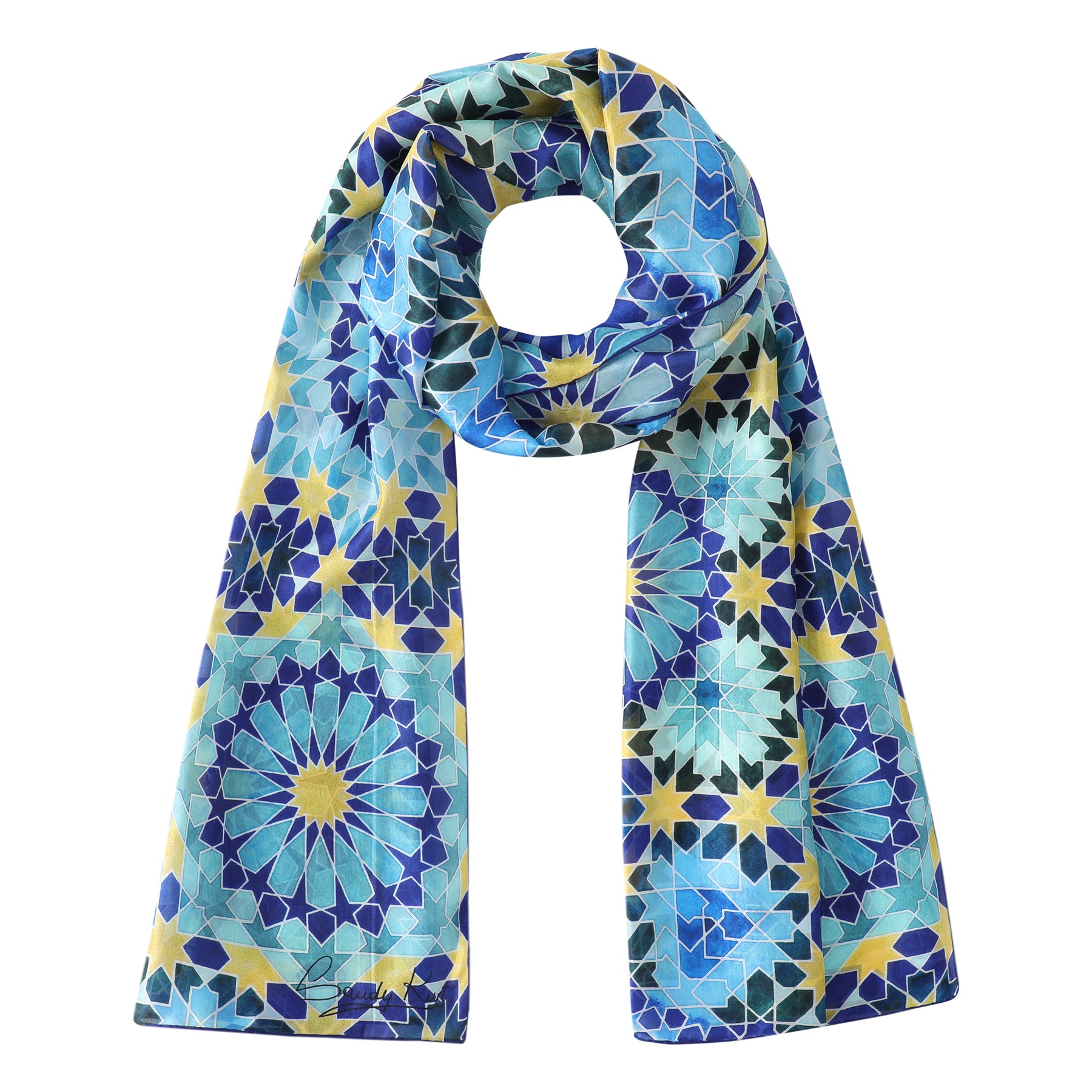
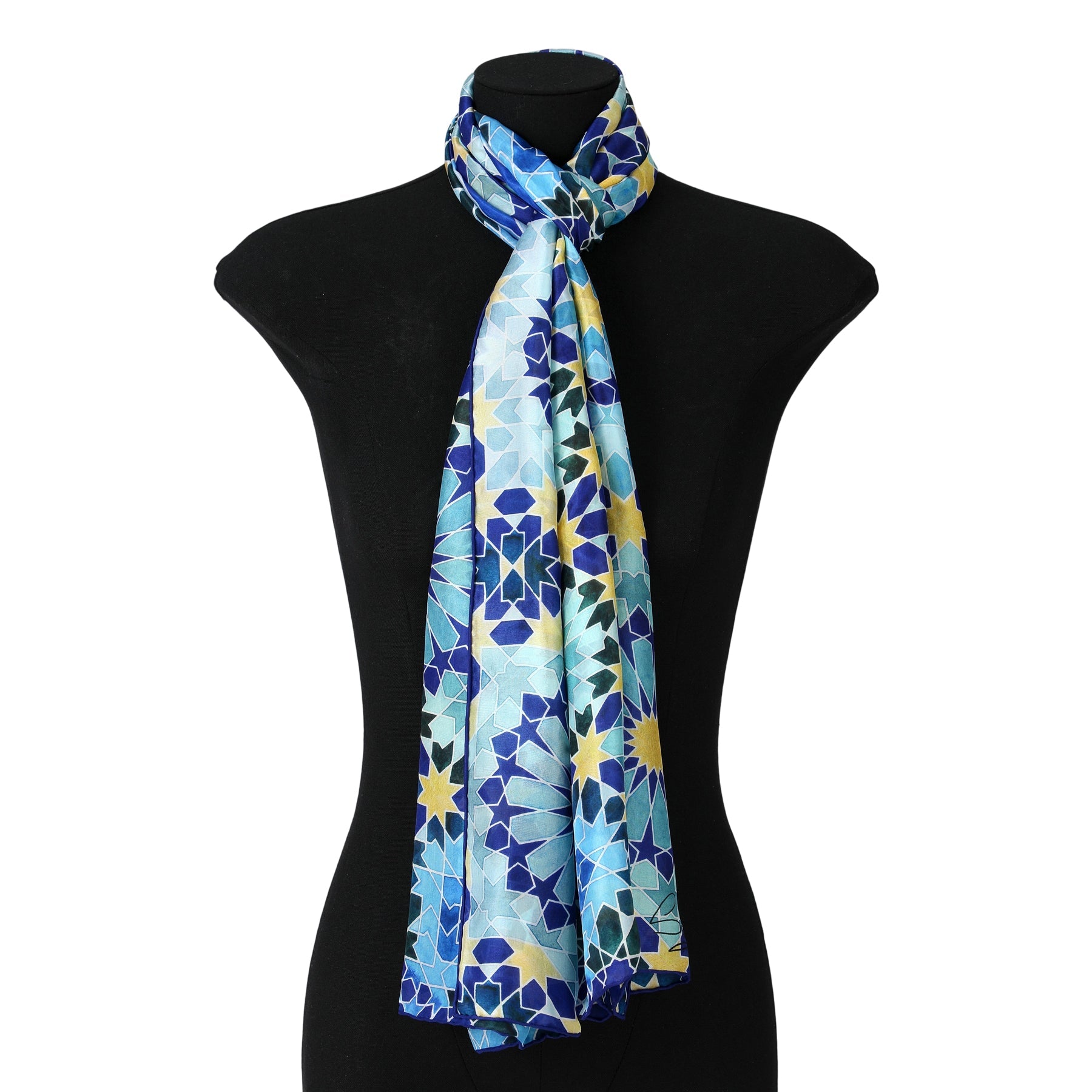
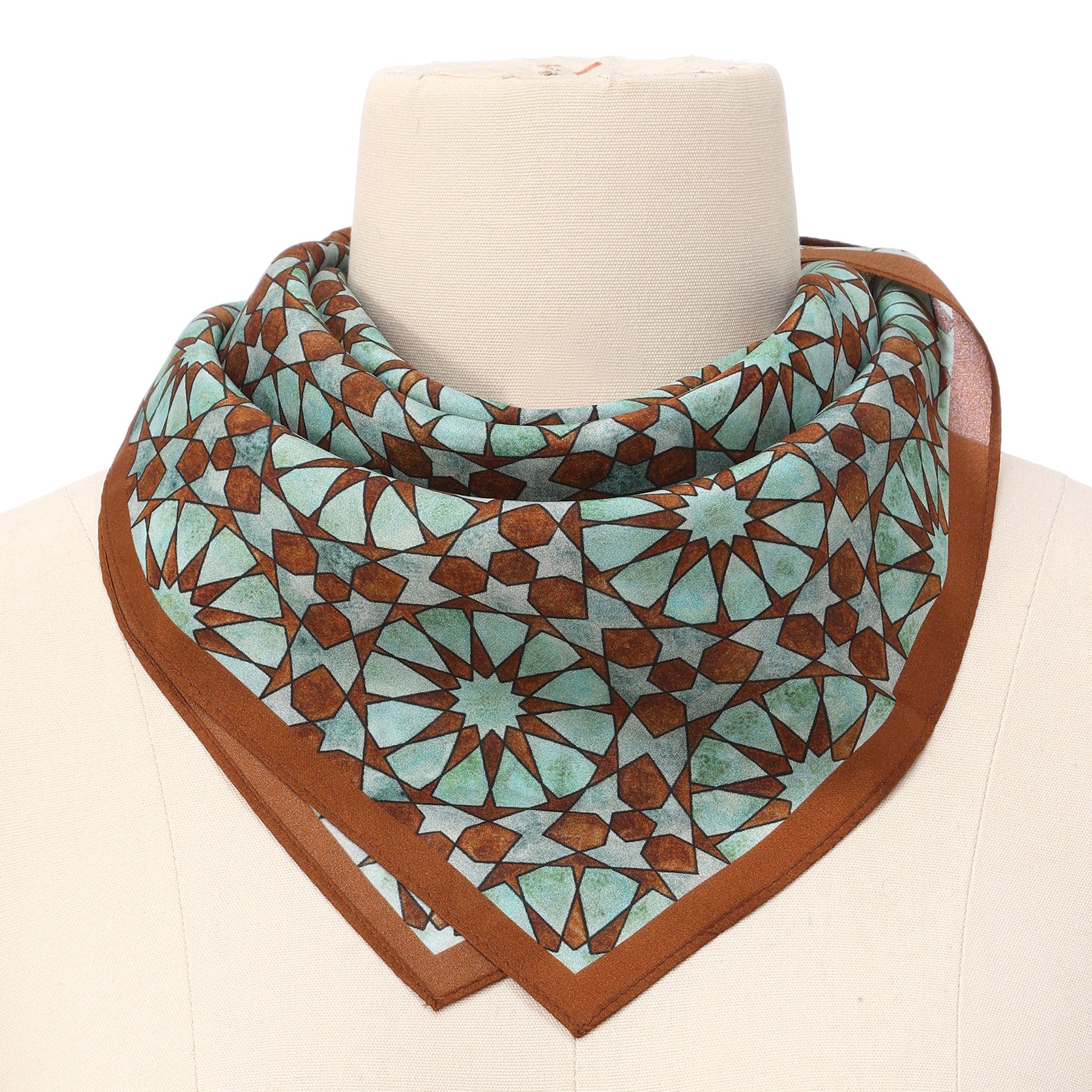
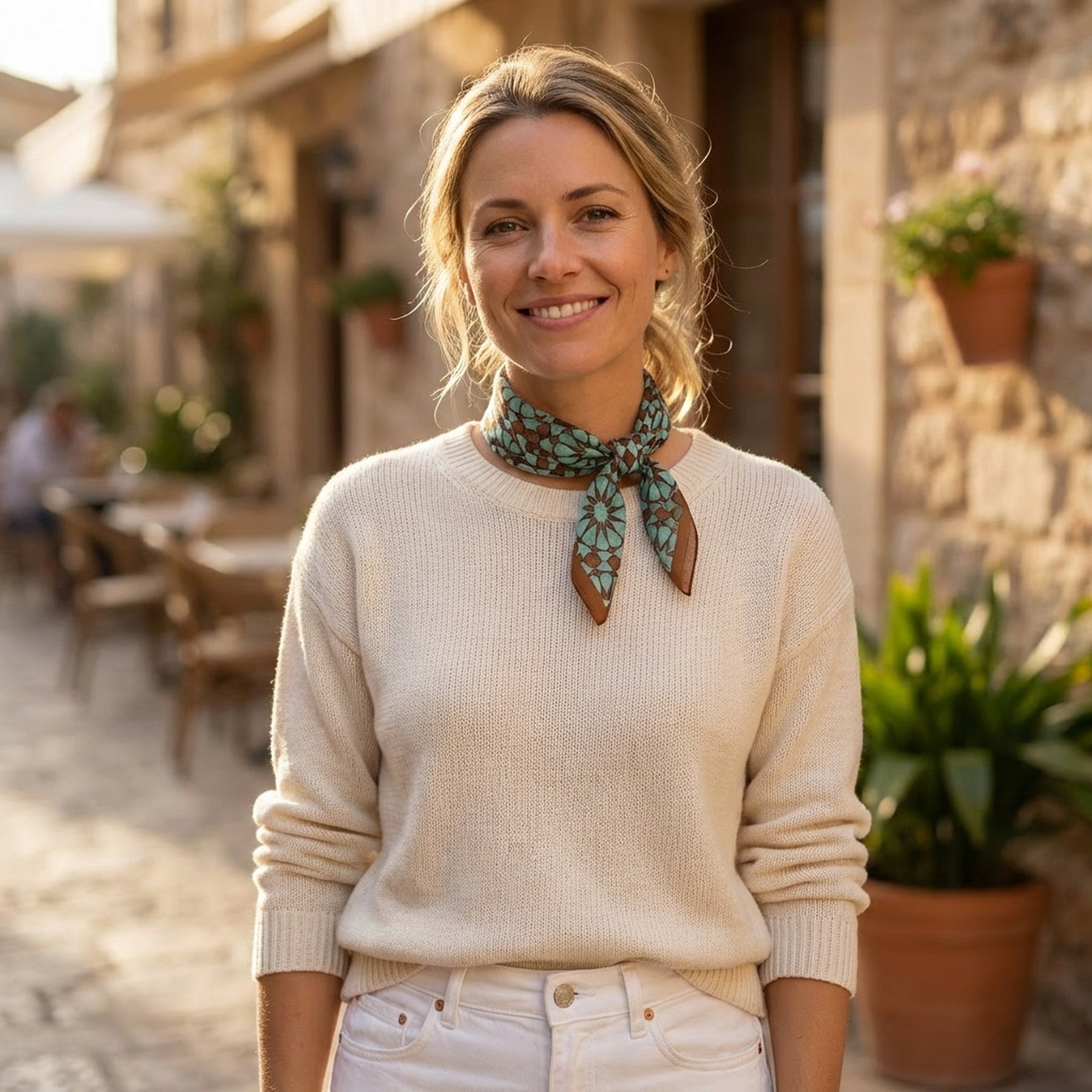
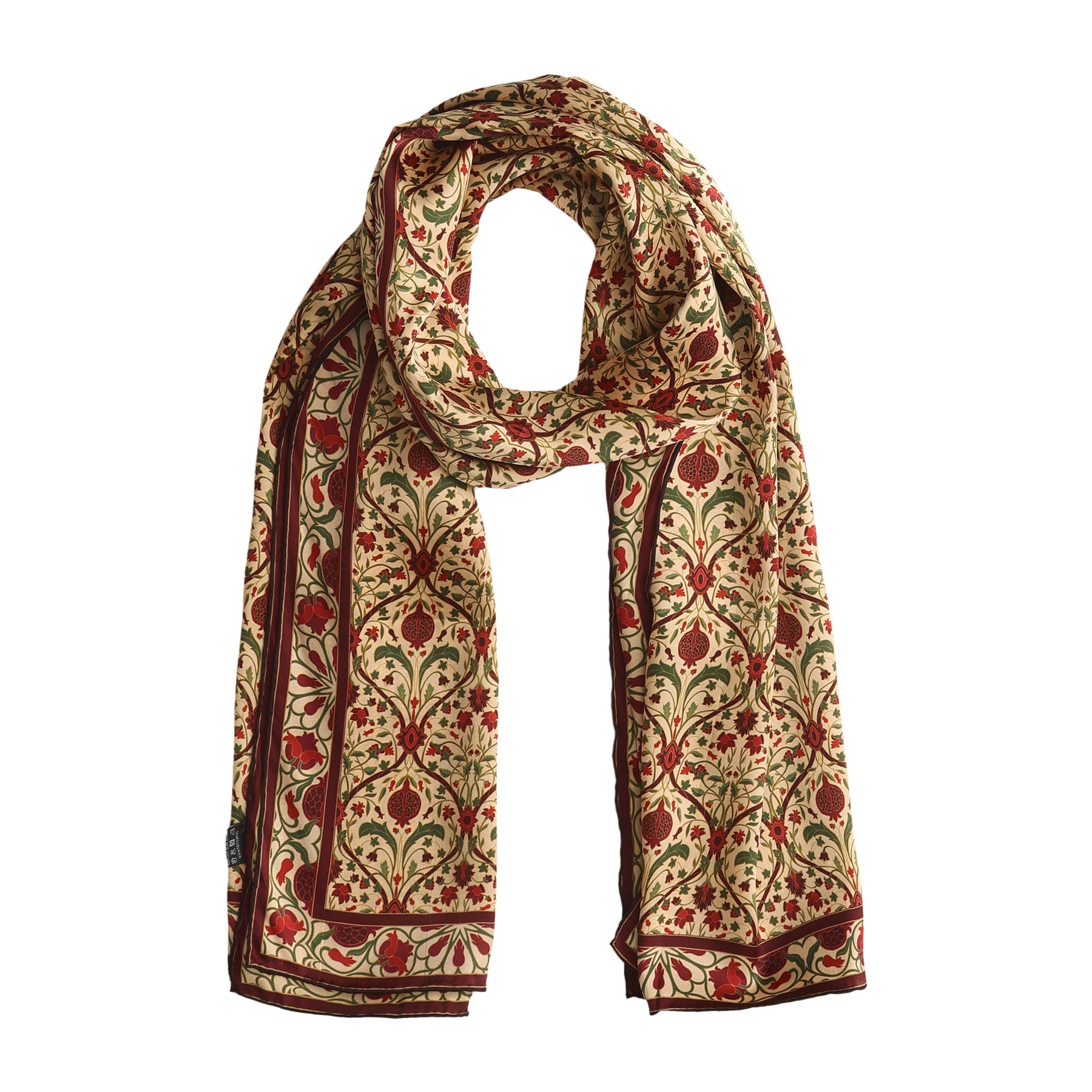
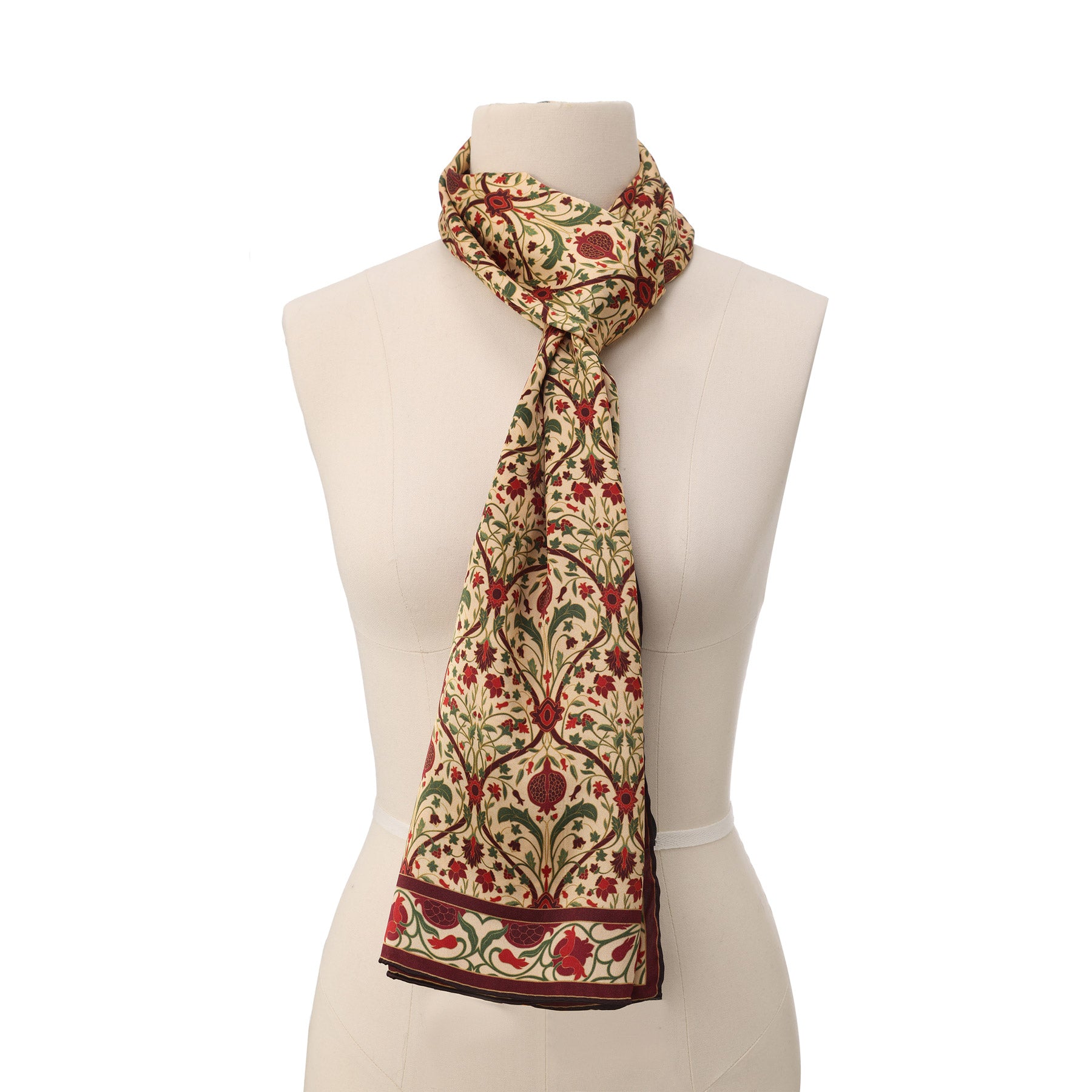
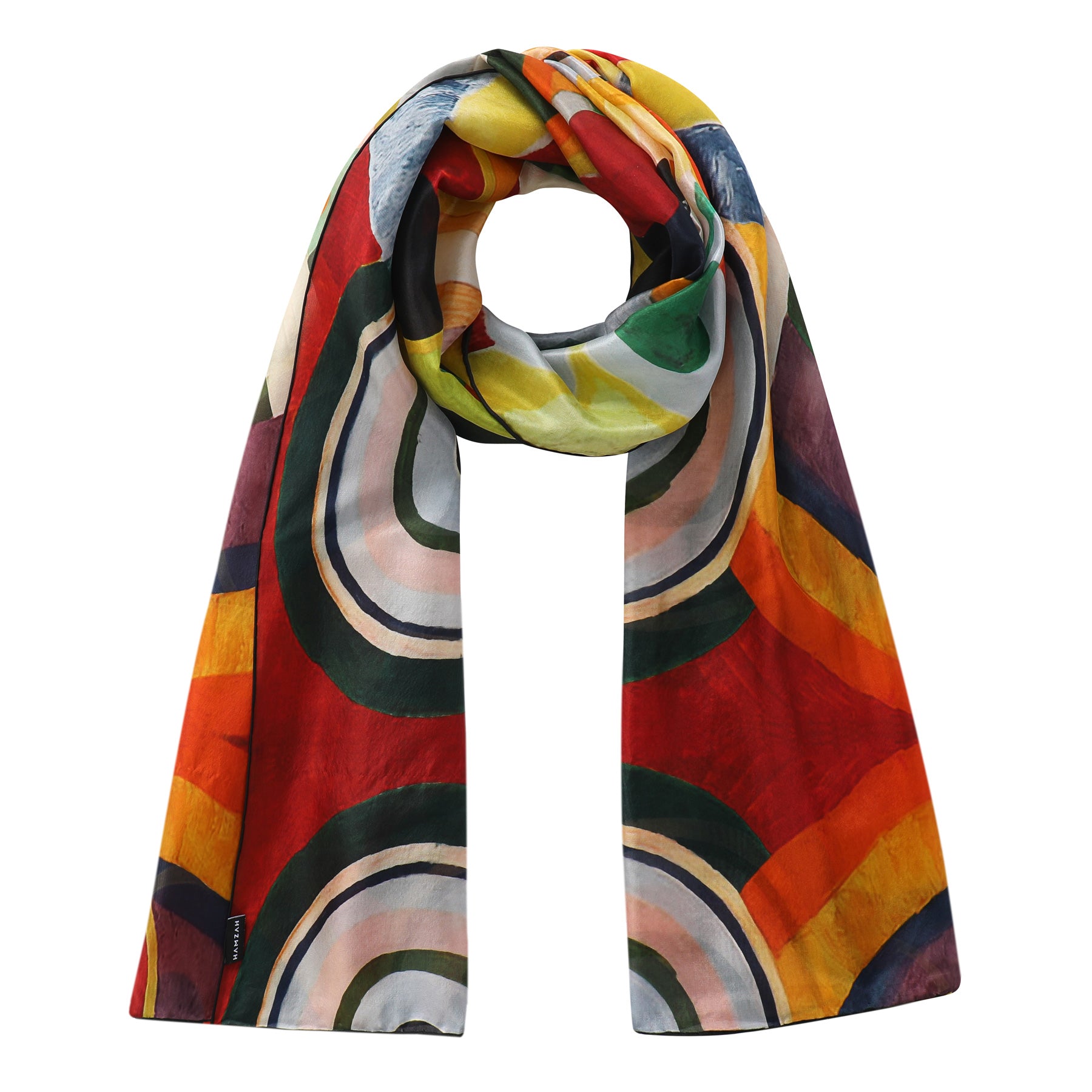
At Munira, we work exclusively with 100% natural silk, transformed into timeless scarves and shawls through artisanal craftsmanship.
How to Tell the Difference Between Natural and Artificial Silk
While artificial silk tries to mimic the beauty of real silk, there are several telltale signs:
-
Price
-
Natural silk: not cheap, but excellent value for its quality.
-
Artificial silk: if the price is unusually low, it’s likely synthetic.
-
-
Temperature on contact
-
Natural silk: quickly adjusts to body temperature when touched.
-
Artificial silk: feels colder and stiffer.
-
-
Wrinkles and creases
-
Natural silk: wrinkles softly, and folds smooth out easily.
-
Artificial silk: wrinkles deeply and is harder to iron flat.
-
-
Drape and movement
-
Natural silk: light, fluid, and elegant.
-
Artificial silk: heavier edges and less natural flow.
-
-
Burn test (only for controlled textile testing)
-
Natural silk: burns slowly, smells like burnt hair, and leaves soft ash.
-
Artificial silk: burns quickly, leaving hard plastic-like beads.
-
Conclusion: The Authenticity of Natural Silk
The qualities of natural silk are so distinctive that no artificial fiber can truly replicate them. Choosing real silk means choosing quality, exclusivity, and comfort in a single piece.
At Munira, we are committed to 100% natural silk, creating handcrafted accessories that allow you to enjoy its softness, elegance, and timeless luxury.
Discover our collection of authentic silk scarves and shawls, and experience the beauty of the real thing.





Leave a comment
This site is protected by hCaptcha and the hCaptcha Privacy Policy and Terms of Service apply.