

Silk: what is it and how it's made
Natural silk is one of the world’s oldest and most treasured fabrics. Its softness, sheen, and lightness have long made it synonymous with luxury, elegance, and exclusivity. From the imperial courts of ancient China to today’s fashion runways, silk continues to reign as a symbol of refinement and sophistication.
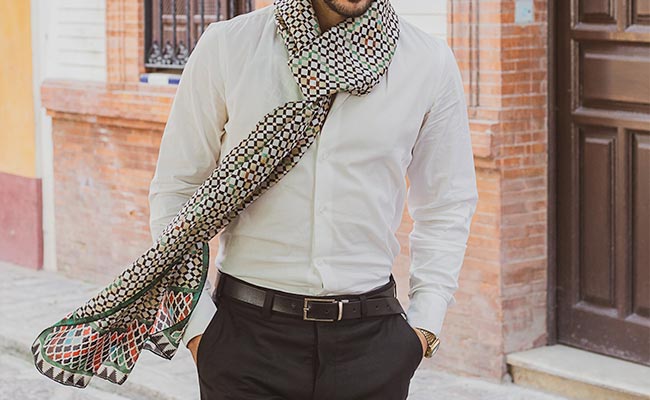
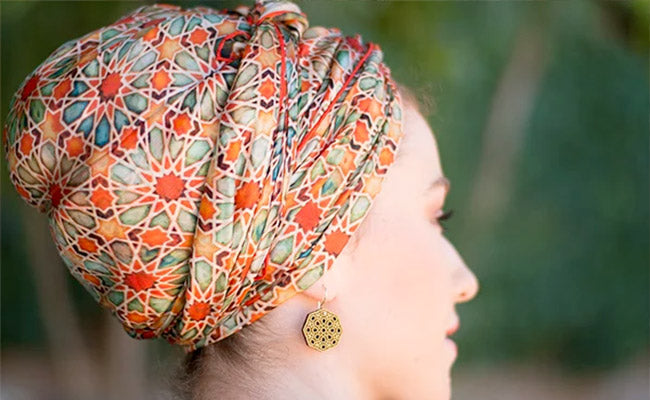
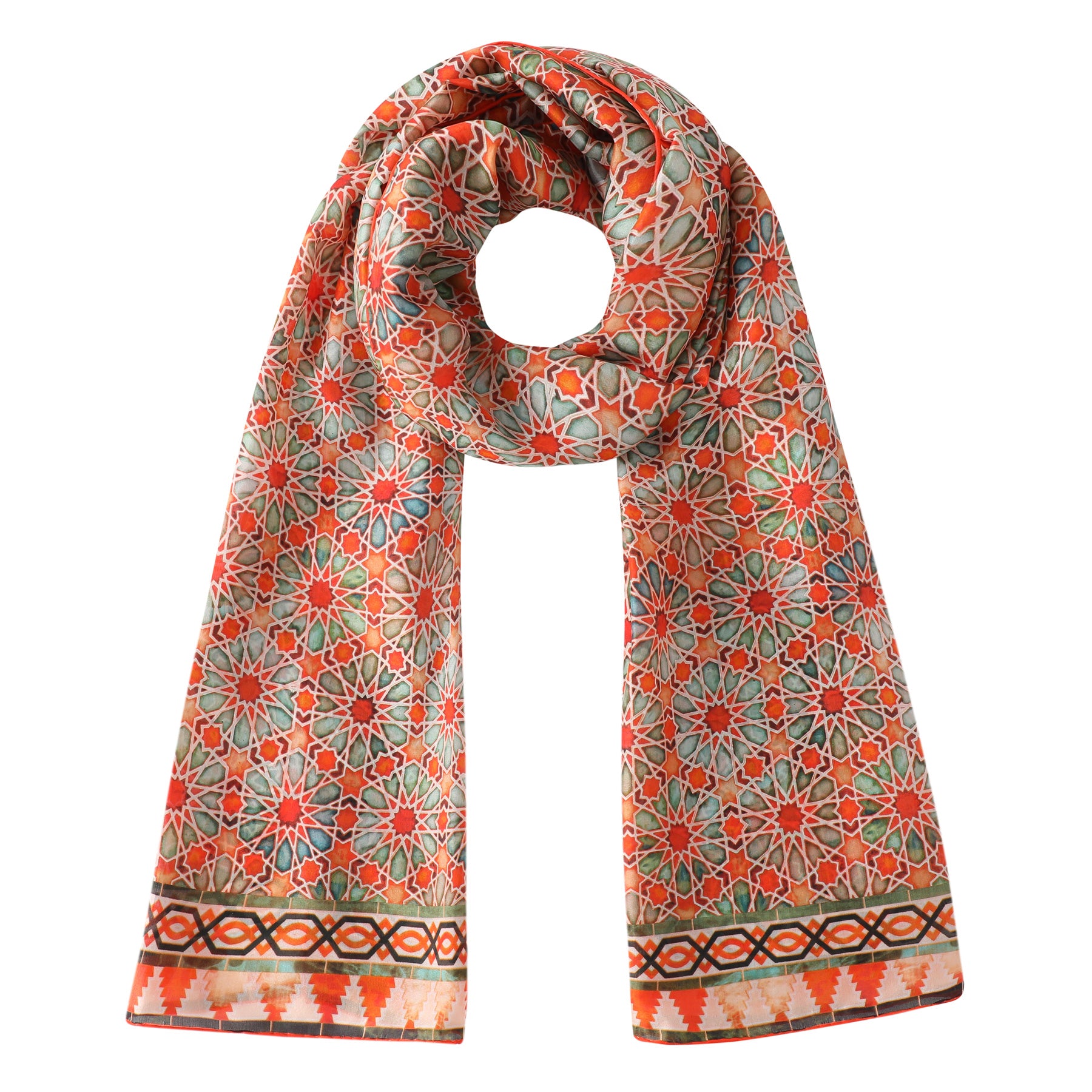
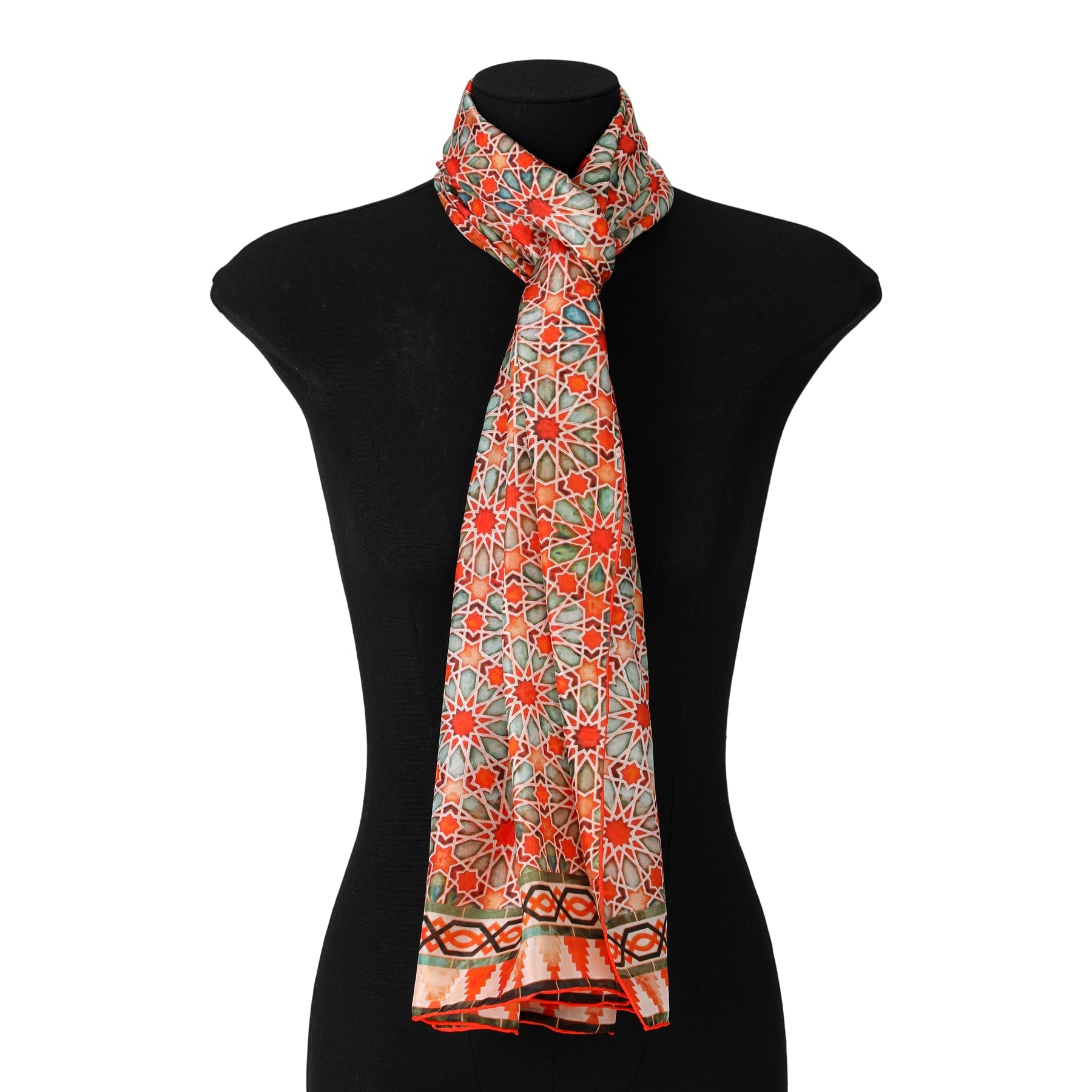
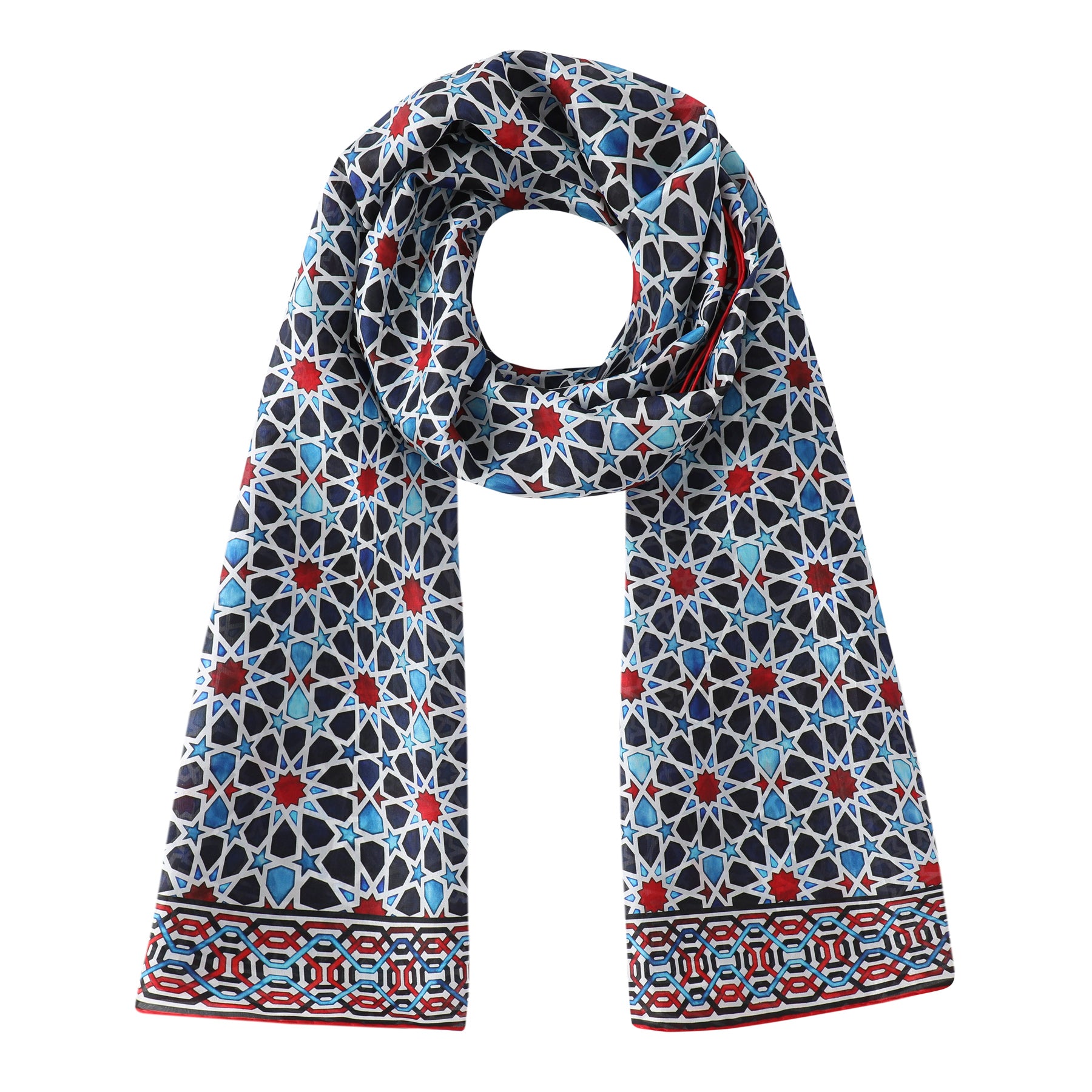
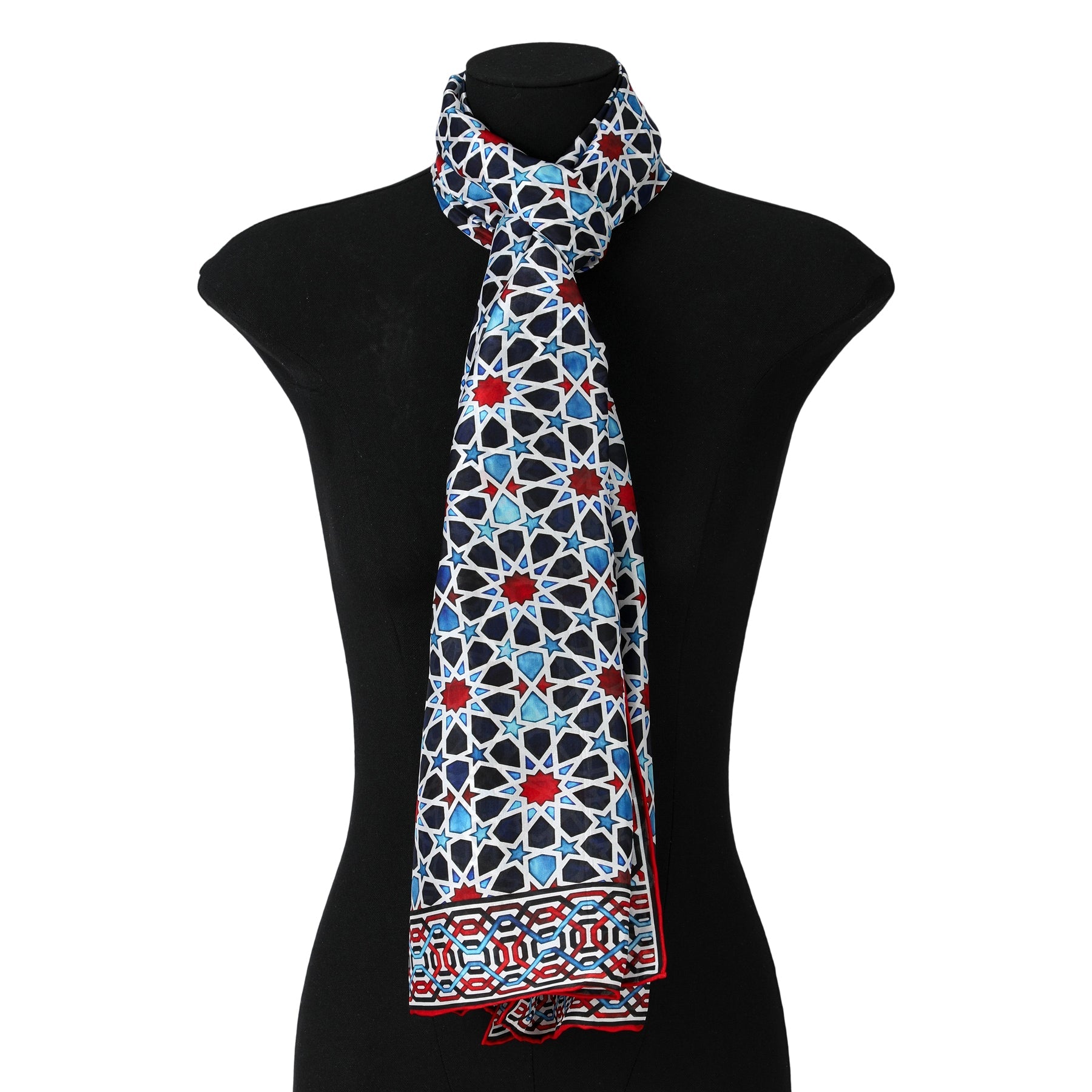
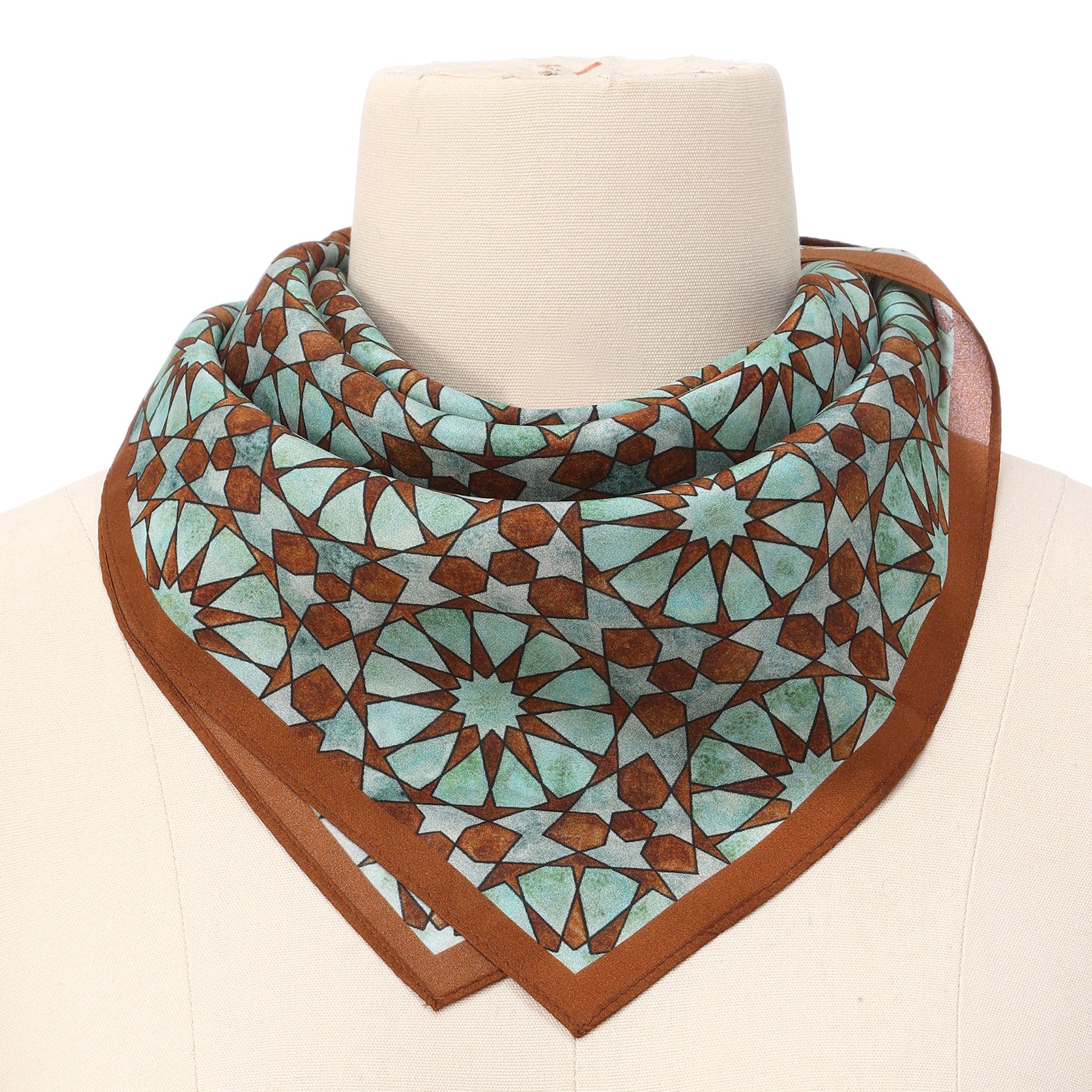
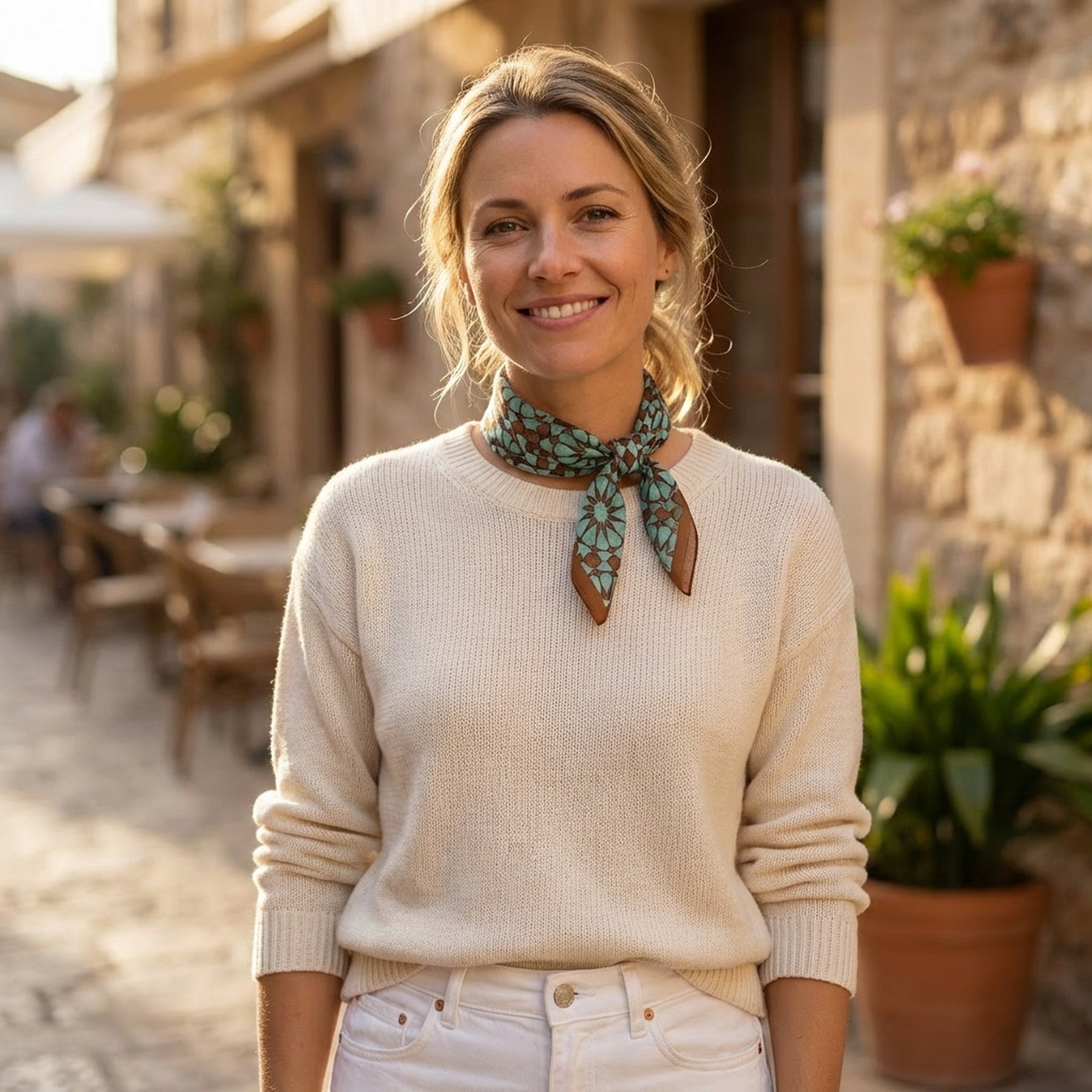
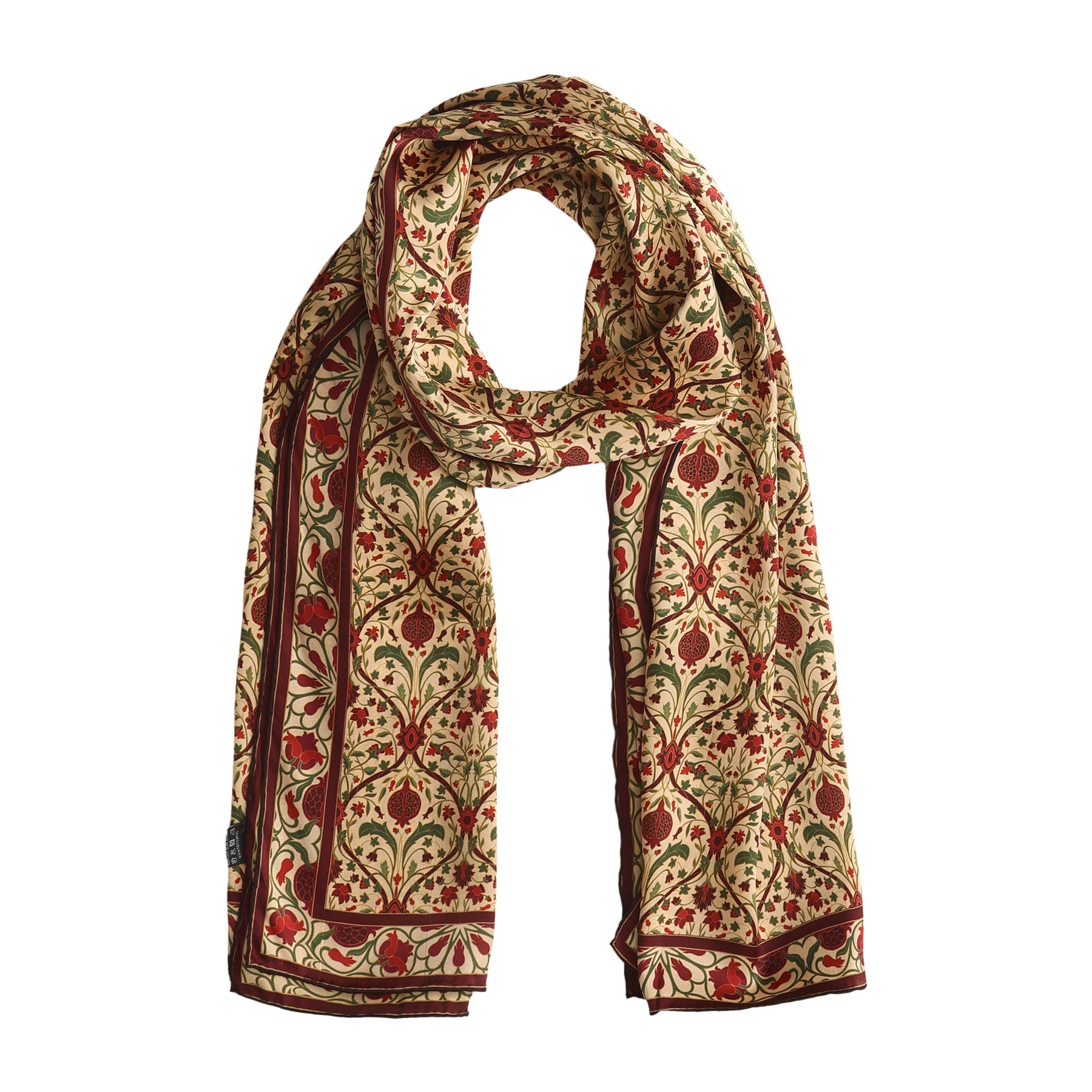
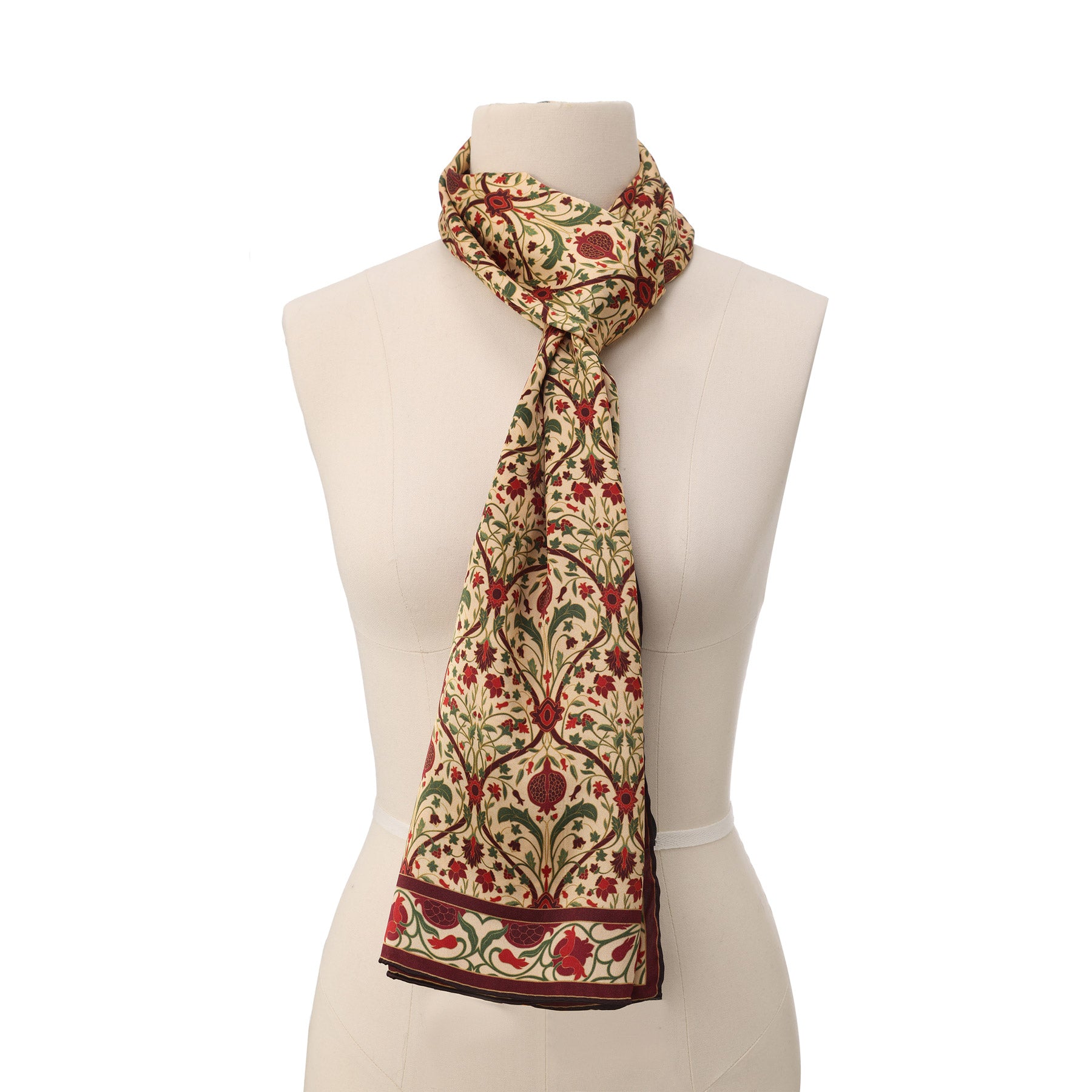
At Munira, we work exclusively with 100% natural silk scarves, carefully crafted into timeless pieces that enhance beauty and femininity. But do you really know where silk comes from and what makes it so unique?
The Origins of Silk: A Millenary Legacy
The story of silk began over 4,500 years ago in ancient China. According to legend, Empress Hsi Ling Shi discovered silk when she noticed a silkworm’s cocoon unraveling into a fine, lustrous thread. She would later be remembered as the “Goddess of Silk,” and her discovery sparked a tradition that changed the course of history.
For centuries, China guarded the secret of sericulture (silkworm cultivation) before it eventually spread to India, Japan, and later Europe.
By 139 BC, the famous Silk Road was established, linking East and West. More than just a trade route, it carried culture, art, and innovation across continents, with silk as its most coveted commodity.
What Is Silk?
Natural silk is a protein-based fiber produced by the cocoon of the silkworm (Bombyx mori). Each cocoon contains up to 1,500 meters of continuous thread, making it as rare as it is valuable.
The European Economic Community defines silk as a “fiber derived exclusively from the cocoons of sericigenous insects.” In simpler terms: it is a one-of-a-kind material that cannot be fully replicated by synthetics in terms of quality, resilience, or elegance.
Properties of Natural Silk
Silk is admired not only for its beauty but also for its extraordinary natural qualities:
Unparalleled softness → smooth and delicate against the skin.
Breathable & thermoregulating → cool in summer, warm in winter.
Natural sheen → reflects light with subtle luminosity.
Durability → despite its delicate appearance, silk is strong and long-lasting.
Hypoallergenic → ideal for sensitive skin, resistant to dust mites and bacteria.
How Silk Is Made: From Nature to Artisanal Luxury
The production of silk is a delicate process that combines tradition with artisanal expertise:
-
Egg laying: the female moth lays between 300 and 400 eggs.
-
Larvae hatching: tiny caterpillars feed on mulberry leaves for six weeks.
-
Cocoon spinning: the silkworm produces a cocoon made of a continuous silk filament.
-
Harvesting: cocoons are immersed in hot water to loosen the threads.
-
Reeling: silk filaments are carefully unwound and combined into skeins.
-
Finishing: skeins are cleaned, softened, dyed, and woven into luxurious fabric.
It is this meticulous process that gives silk its unmatched elegance and timeless appeal.
Conclusion: The Enduring Luxury of Silk
Natural silk is more than just a fabric — it is history, art, and nature transformed into elegance. With its millenary origins and extraordinary properties, silk remains the ultimate material in the world of luxury fashion.
At Munira, we honor this legacy by creating 100% natural silk scarves and shawls, handcrafted with care to deliver softness, exclusivity, and sophistication in every piece.
Discover our collection and let silk become your most timeless ally in style.




Leave a comment
This site is protected by hCaptcha and the hCaptcha Privacy Policy and Terms of Service apply.