

Types of Arabic Scarves
Types of Arabic Scarves
Did you know that a simple piece of fabric can tell centuries of history? Arabic scarves are more than just accessories — they are symbols of identity, elegance, and tradition. Each one has its own name, design, and way of wearing it. You might be surprised to know that many of them are still part of modern fashion all around the world.
1. Keffiyeh or Shemagh: The Most Iconic
The keffiyeh, also known as shemagh, is the most famous Arabic scarf. Traditionally black and white, it originates from Palestine and the Levant region.
Its checkered pattern represents connection to the land and resilience. Today, it’s worn by both men and women, often as a stylish statement.
You can also find red-and-white versions, popular in Jordan and Saudi Arabia. In the Gulf region, it’s called a ghutra, usually worn with an agal, a black cord that holds it in place on the head.
2. Hijab: Modesty and Grace
The hijab is the scarf that covers the hair and neck while leaving the face uncovered. It’s worn by many Muslim women as an expression of faith and modesty.
It comes in different fabrics like cotton, viscose, and silk. Neutral tones and soft patterns are among the most popular choices.
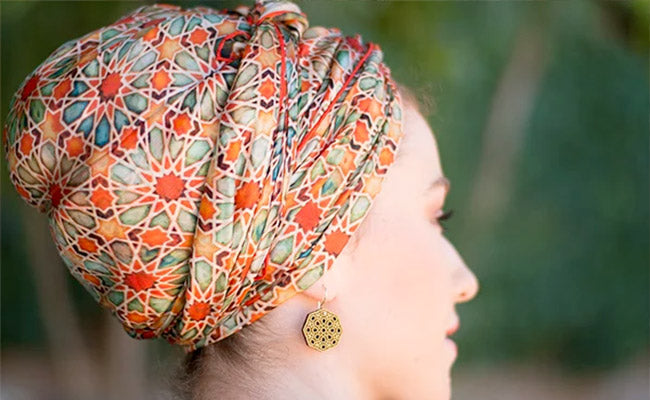
There isn’t just one way to wear a hijab — it can be styled in countless ways. Many women accessorize it with pins, layers, or jewelry to create a modern, personal look.
3. Shayla: The Light and Flowing Version
The shayla is a lighter variation of the hijab, common in Gulf countries. It’s a long, rectangular scarf draped over the head and wrapped around the neck or shoulders.
It’s easier to wear than a traditional hijab and allows for more freedom in styling. The fabrics are usually light and airy, perfect for warm climates.
4. Al-Amira: Simple and Modern
The al-amira consists of two pieces — a fitted cap and a matching scarf that goes over it. It’s practical, comfortable, and popular among younger women or for daily use.
It offers a neat look without the need for pins or complicated wrapping.
5. Arabic Scarves in Modern Fashion
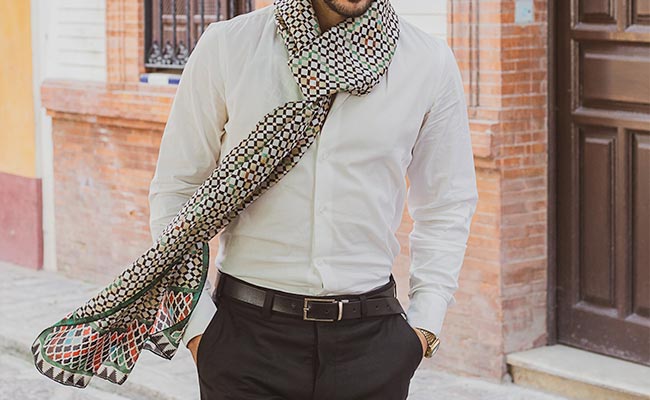
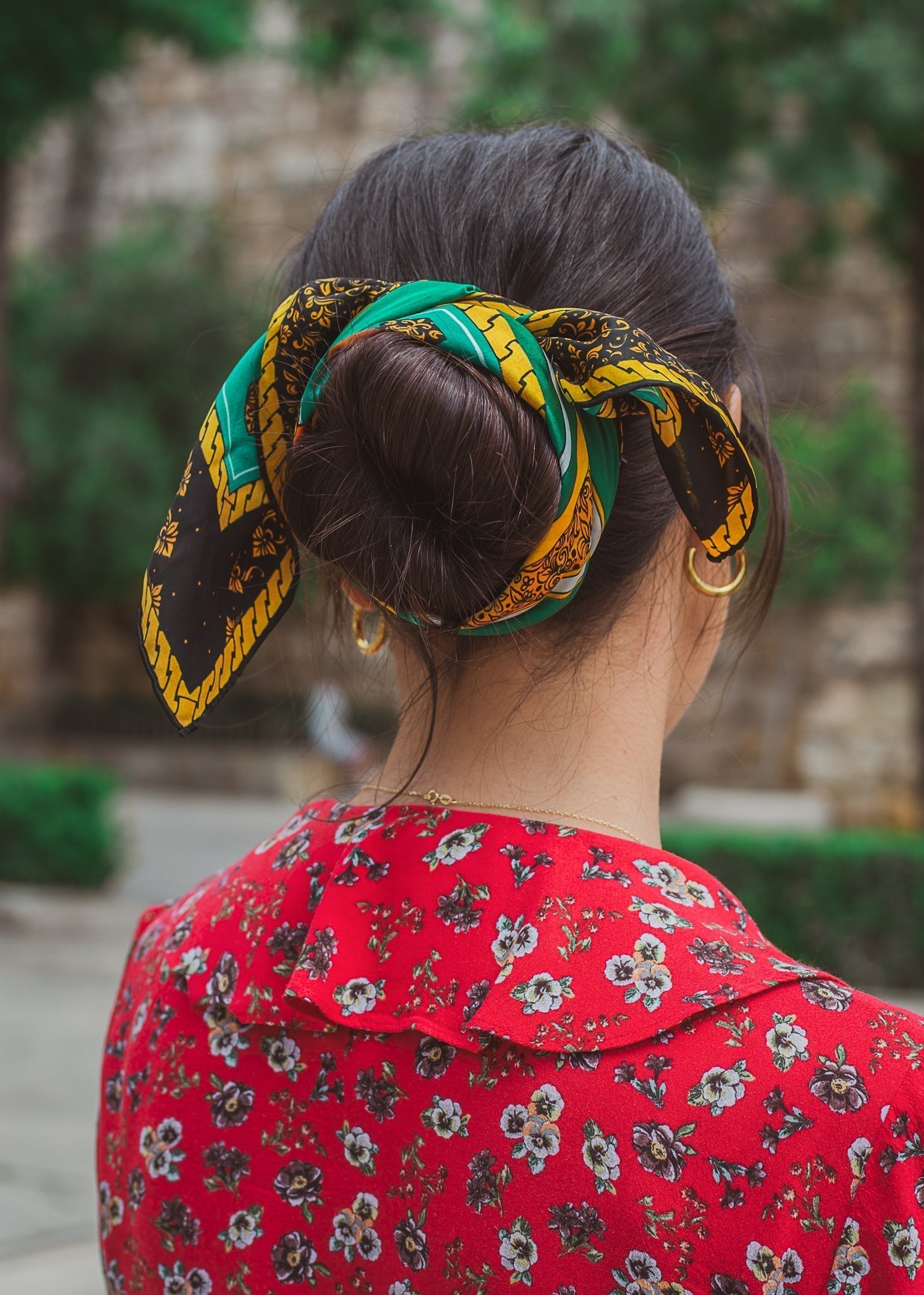
Today, Arabic scarves have crossed cultural boundaries. People wear them not only as head coverings but also as fashion accessories — around the neck, in the hair, or even as belts.
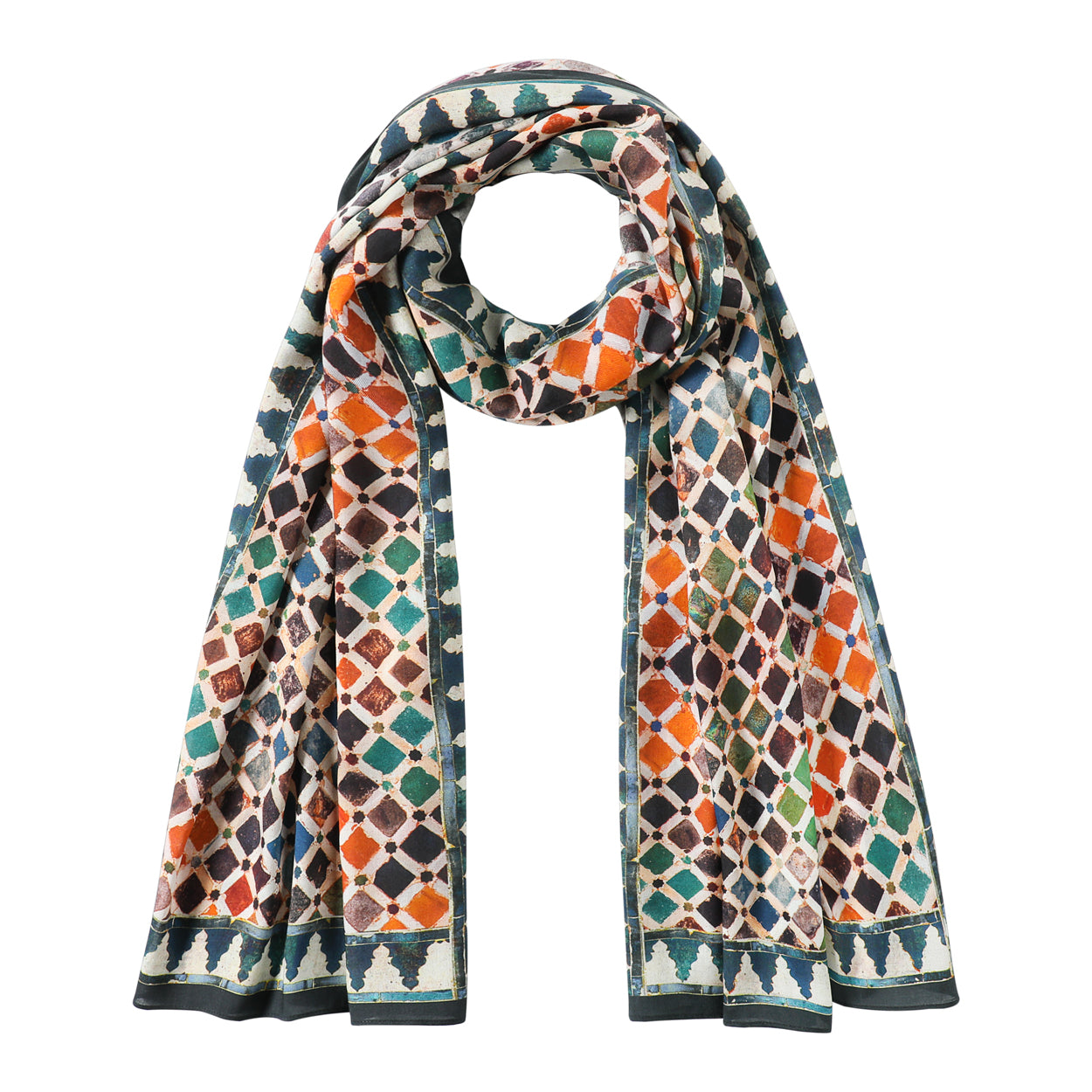
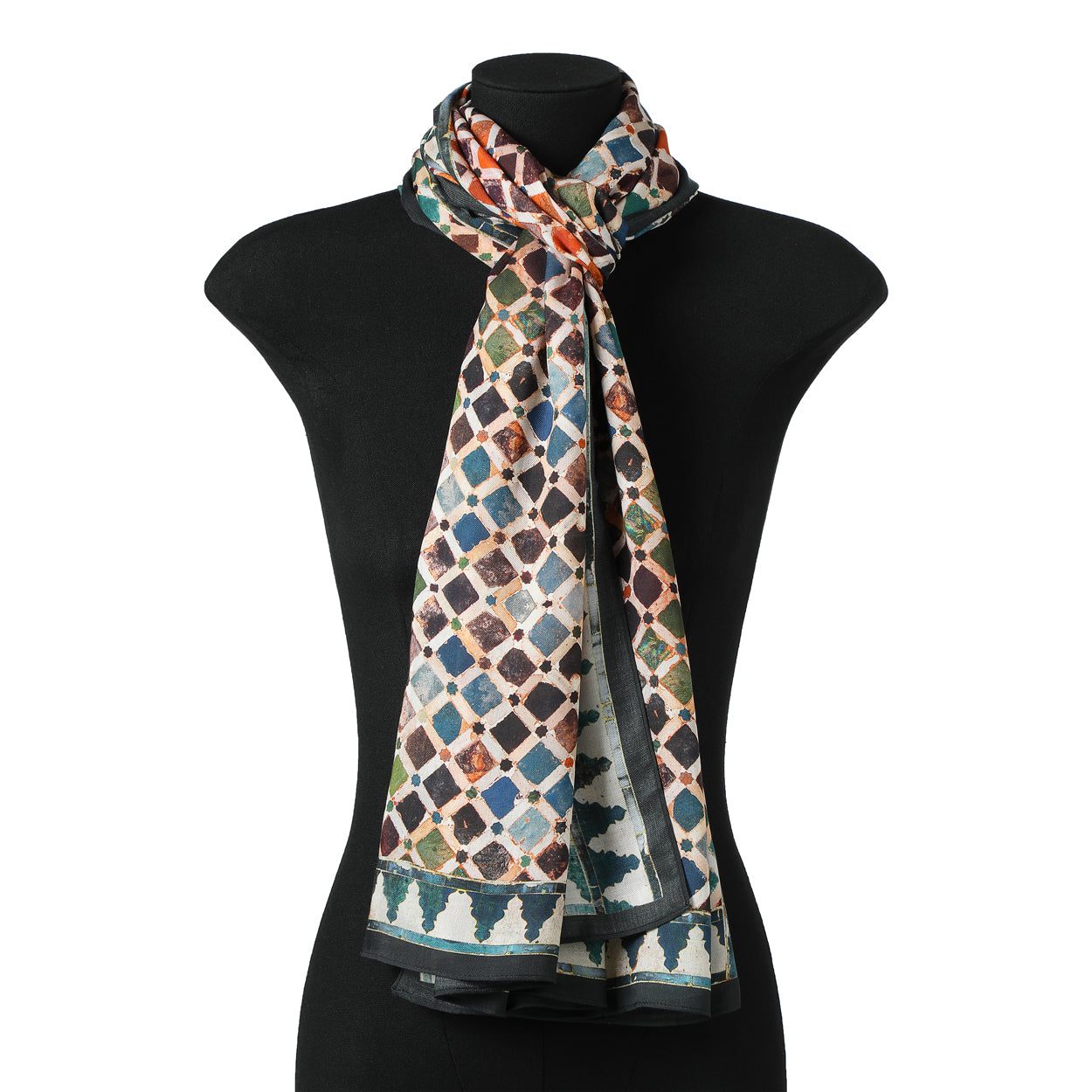
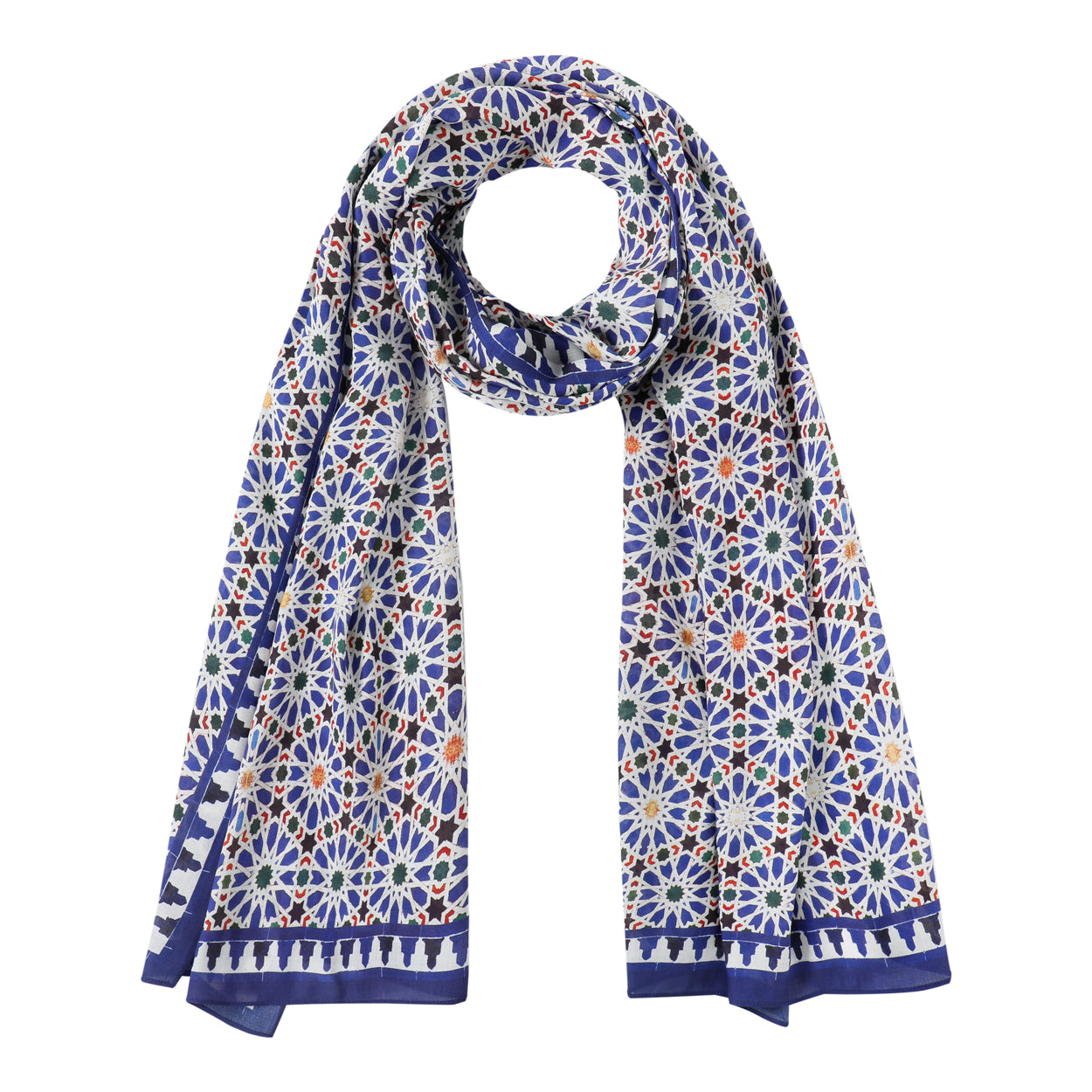
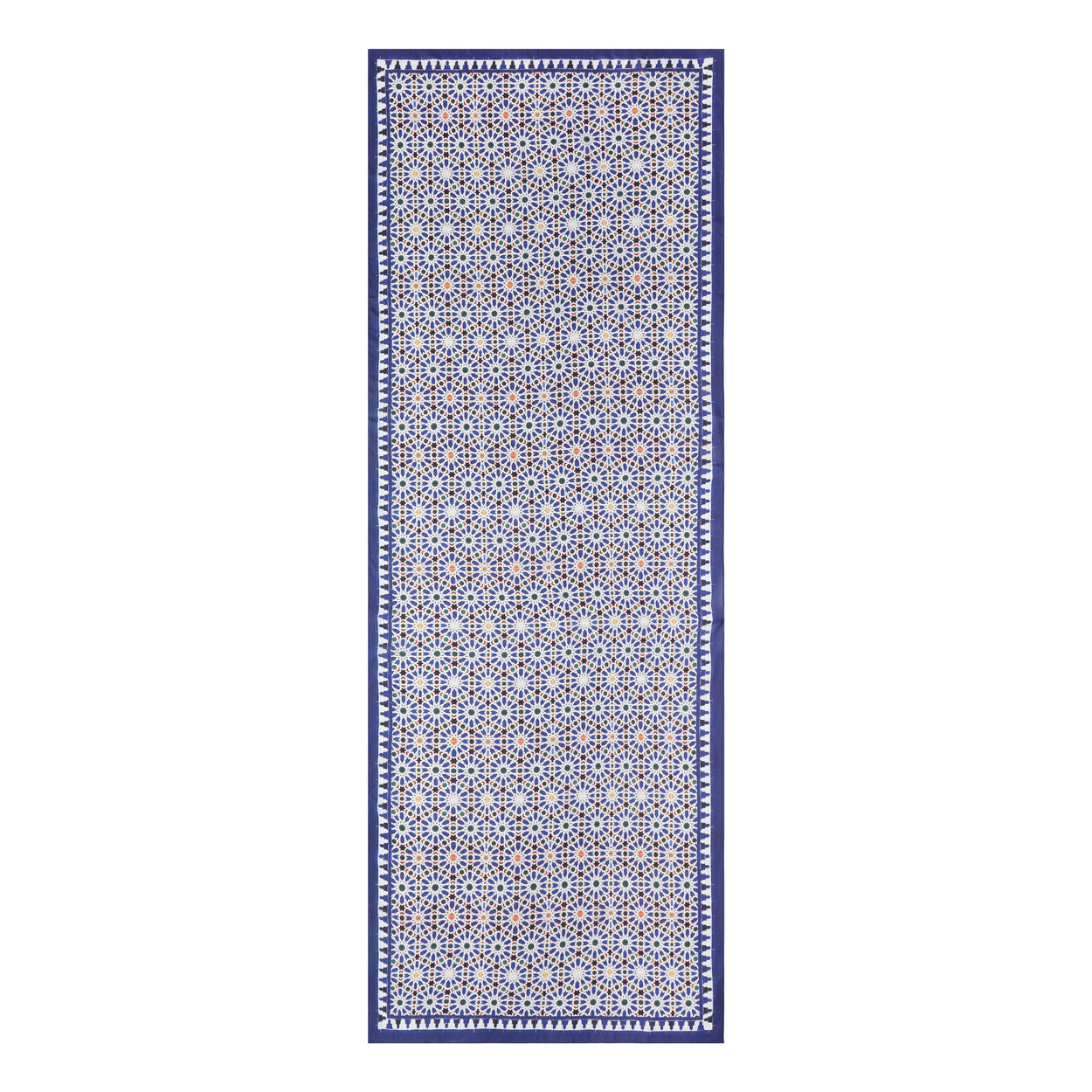
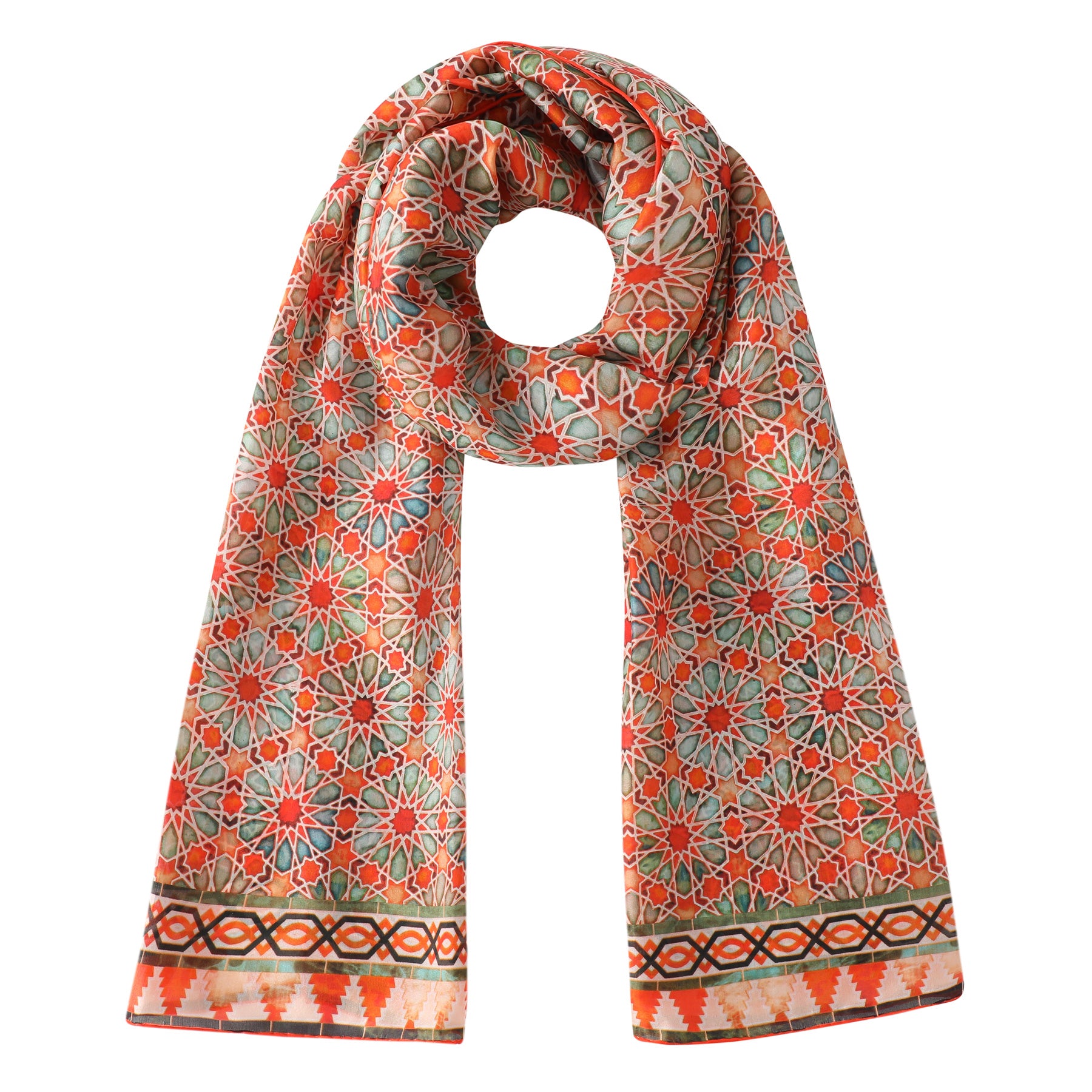
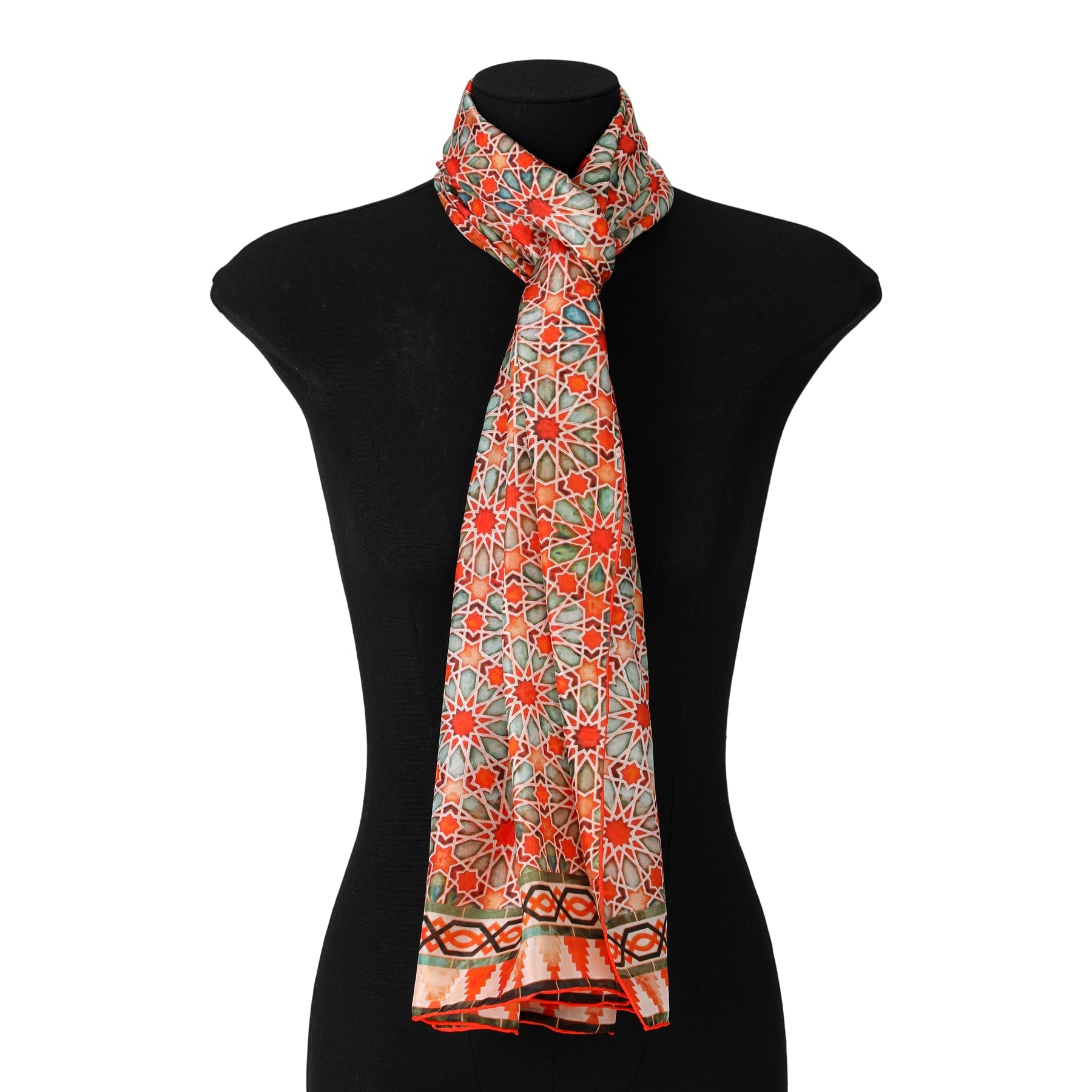
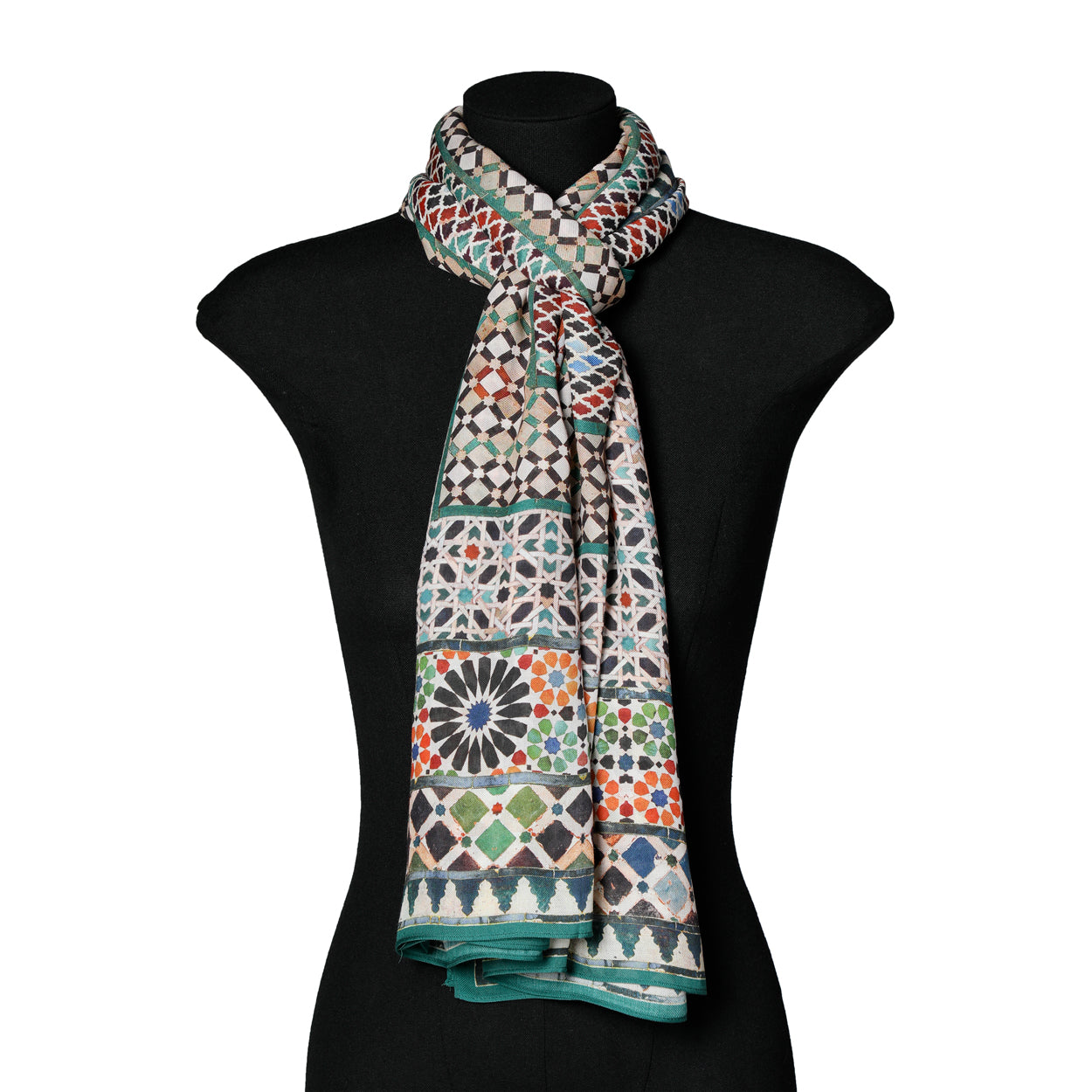
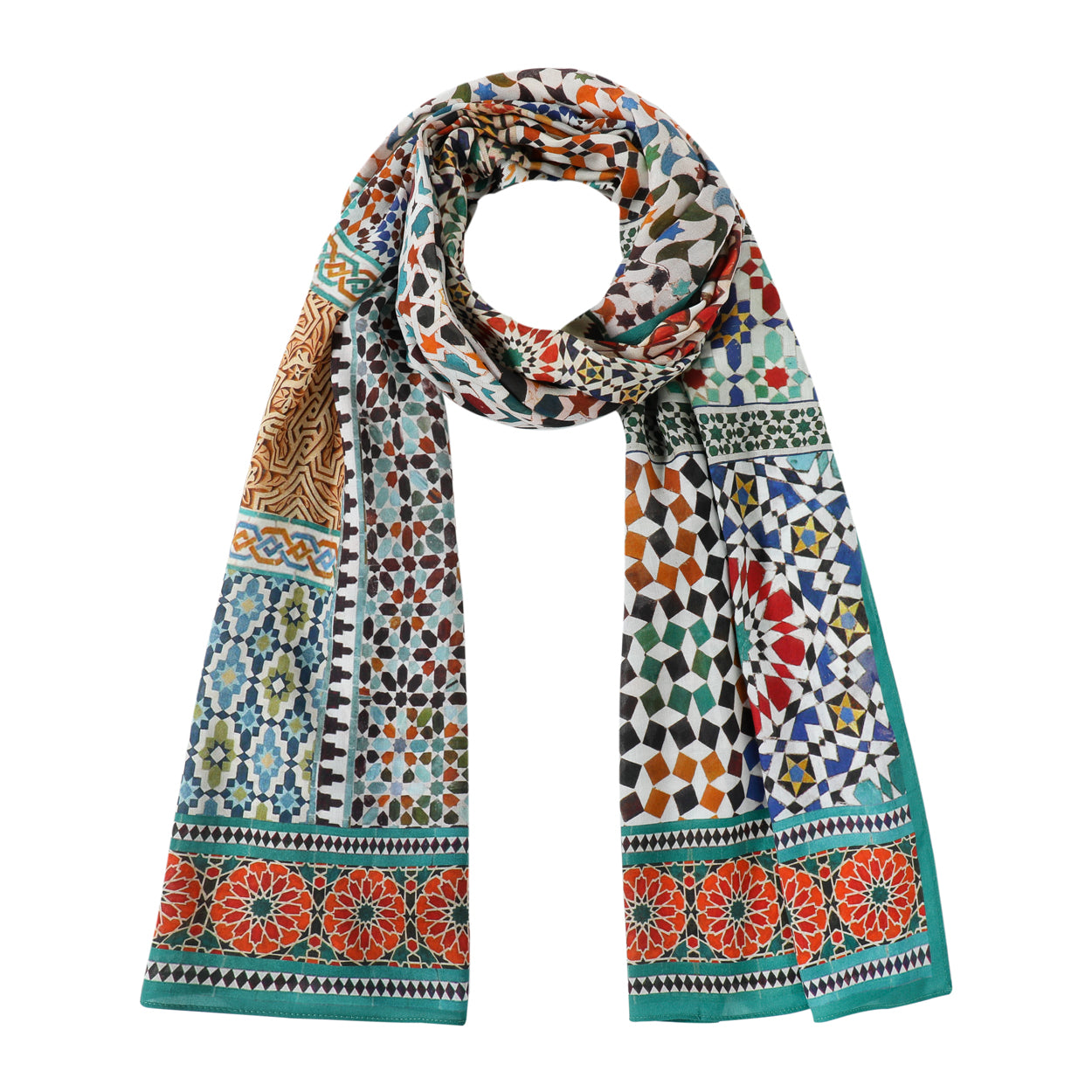
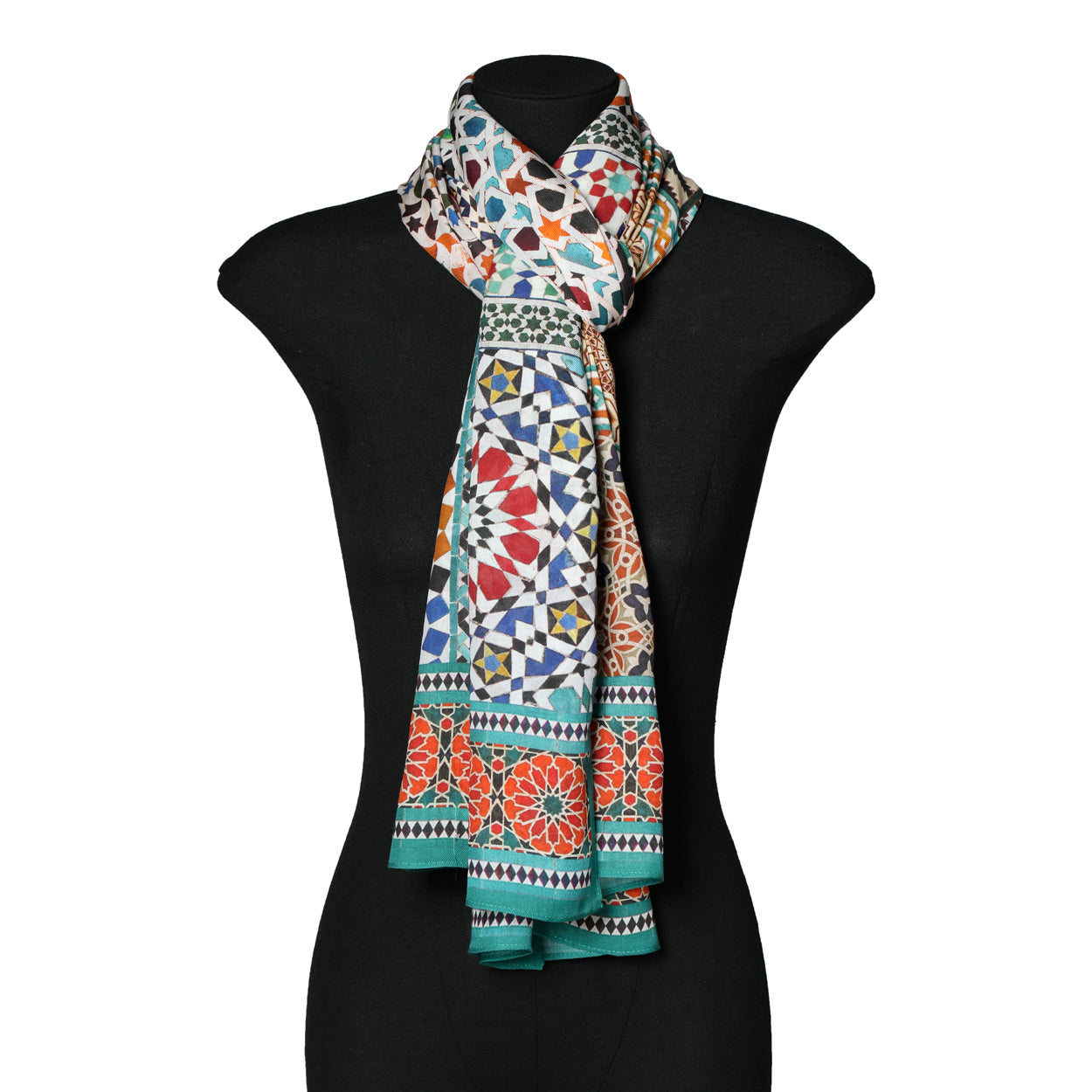
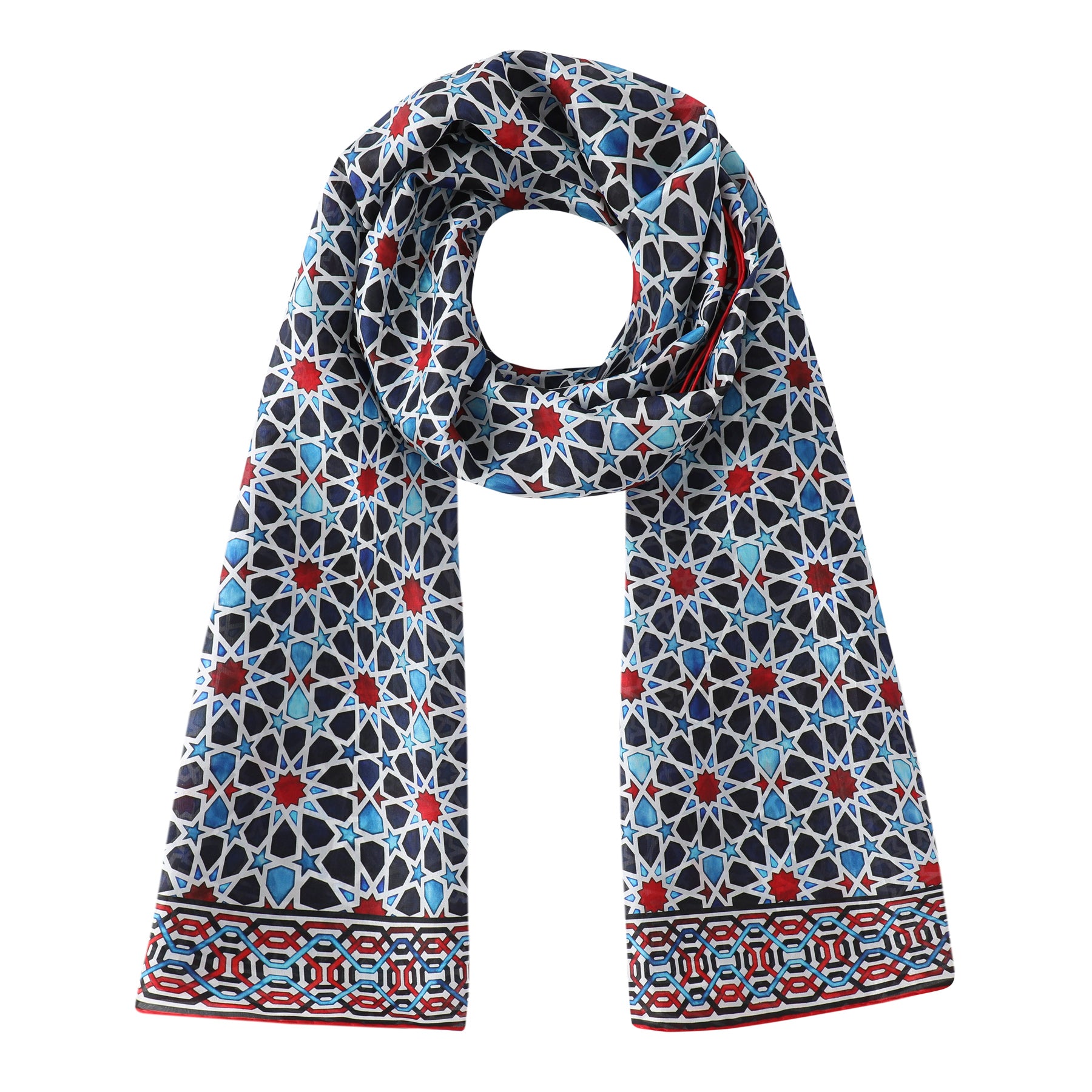
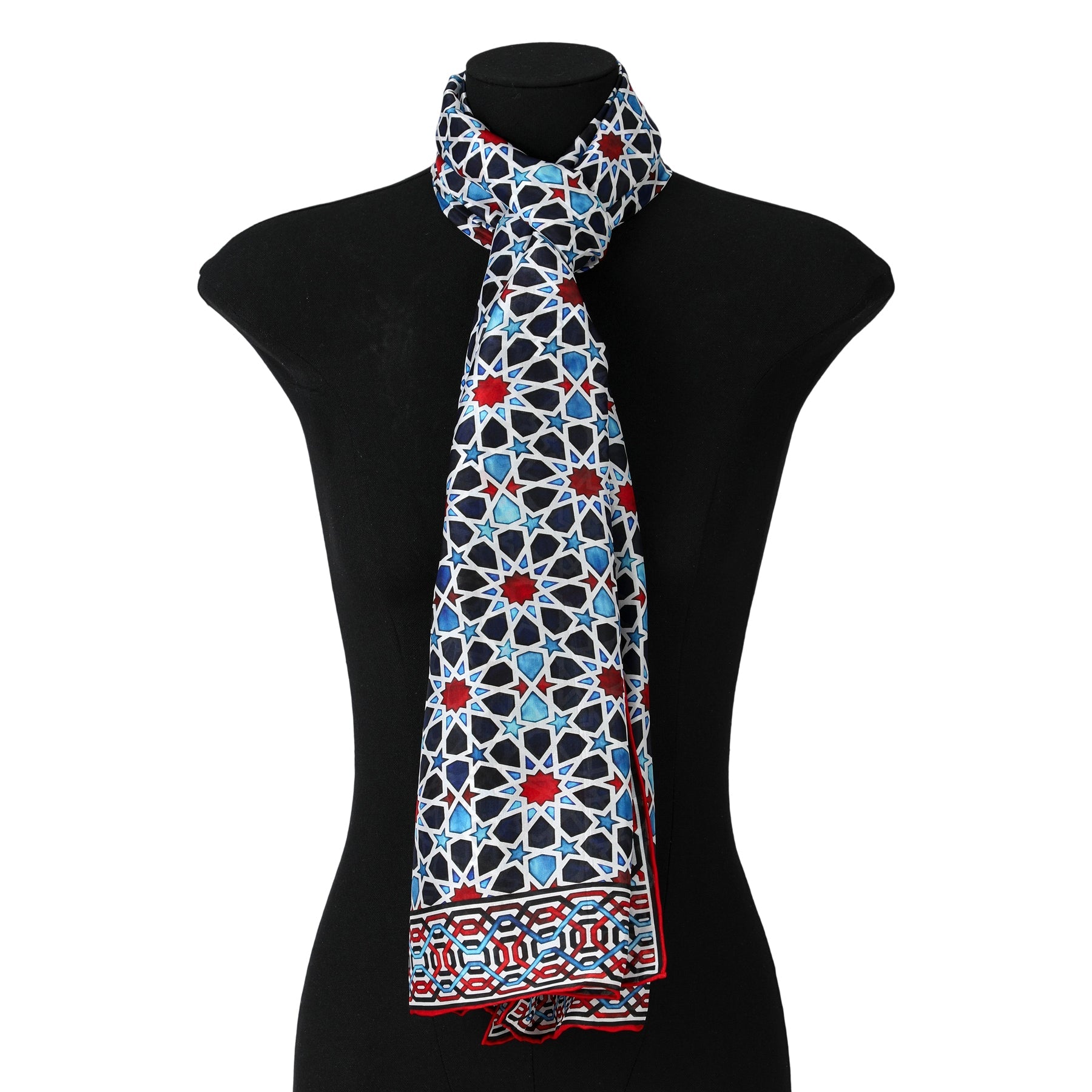
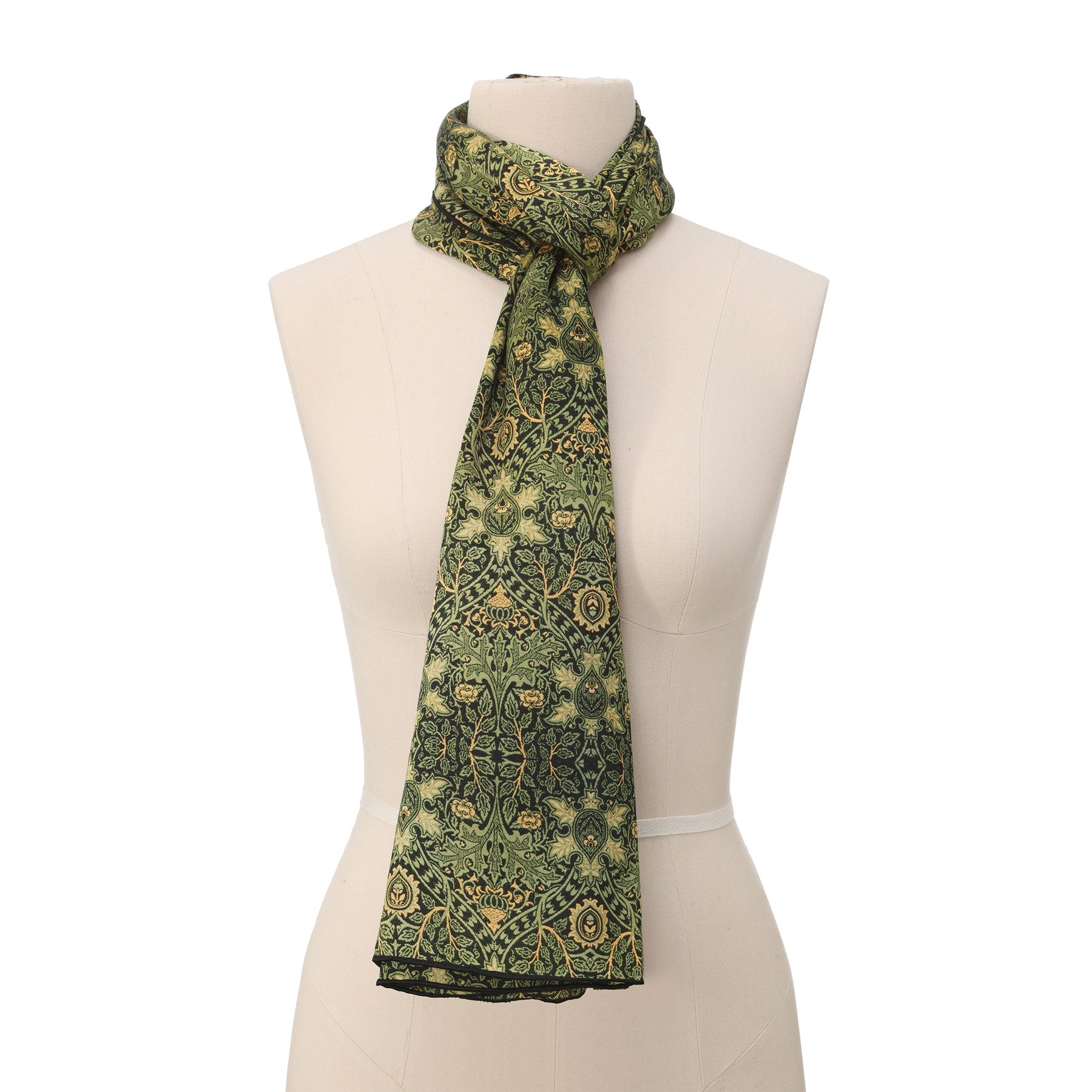
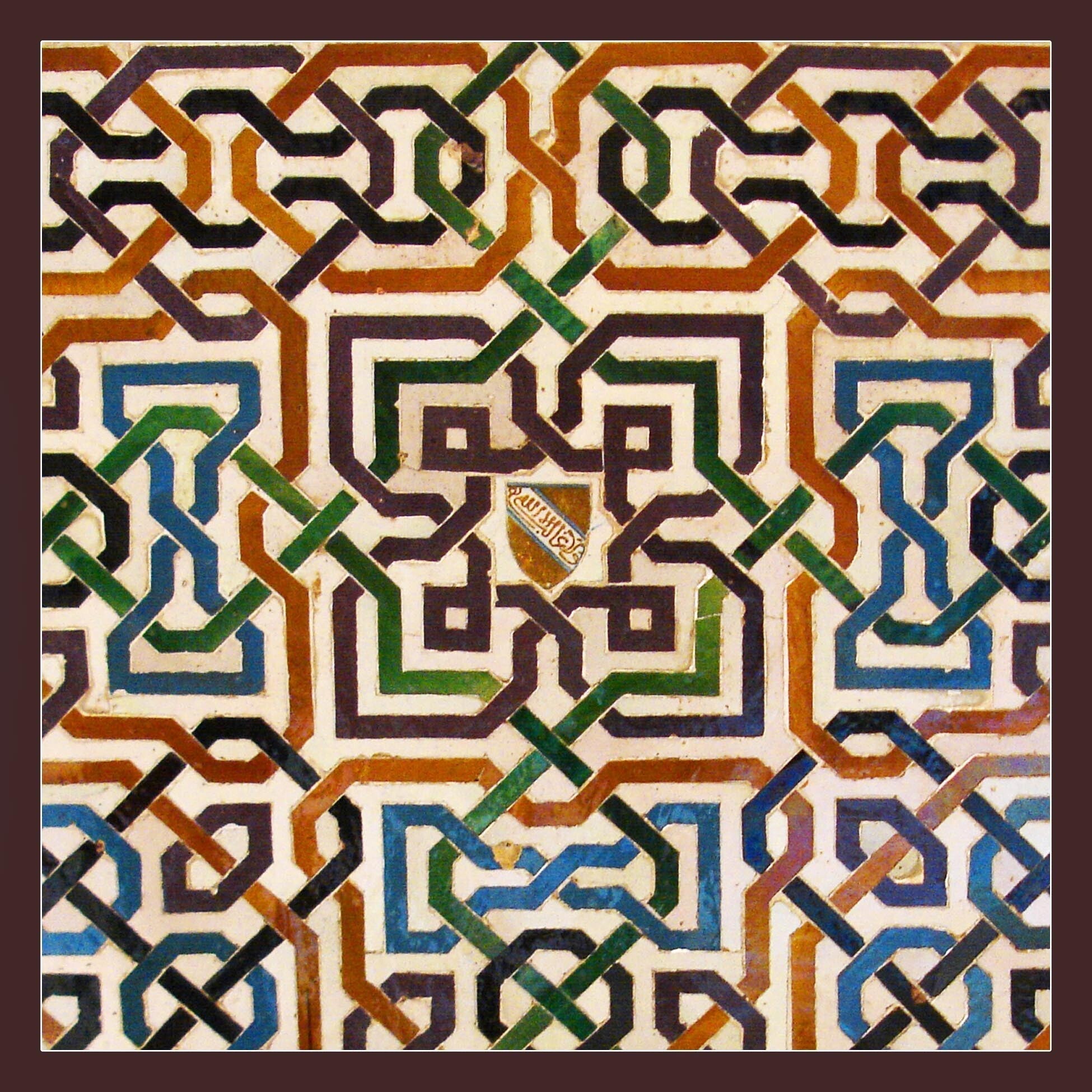
You can find beautifully crafted designs inspired by Islamic geometry and Andalusian art in scarves and shawls from Munira. Each piece combines tradition with contemporary elegance.
Frequently Asked Questions
What’s the difference between a keffiyeh and a ghutra?
The keffiyeh usually has black or red checkered patterns, while the ghutra is plain white and made from a lighter fabric.
Can women wear the keffiyeh?
Yes. Many women wear it today as a stylish accessory or for sun protection.
What are Arabic scarves made of?
They’re usually made of cotton, linen, or silk, depending on the region and purpose.
Conclusion
The types of Arabic scarves reflect a culture full of beauty and diversity. Each piece carries its own story, purpose, and style. From the keffiyeh to the shayla, these scarves remain timeless — blending tradition, identity, and art, woven together through history.




Leave a comment
This site is protected by hCaptcha and the hCaptcha Privacy Policy and Terms of Service apply.