

Types of Silk and Which One You Should Choose
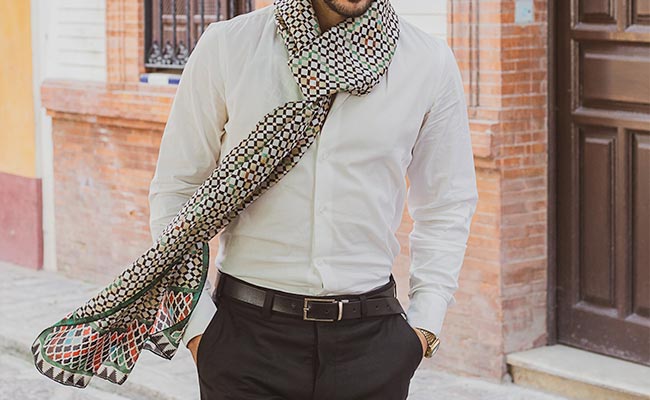
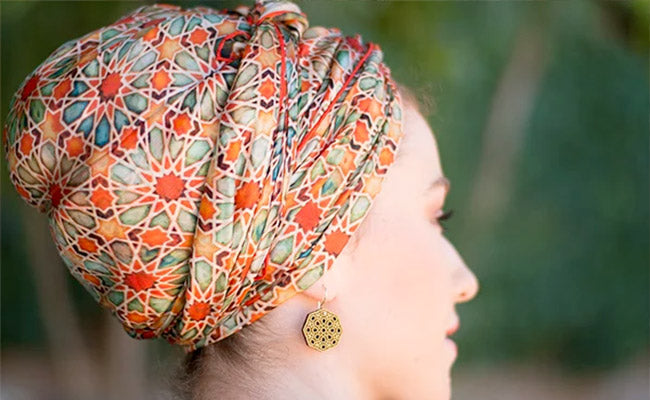
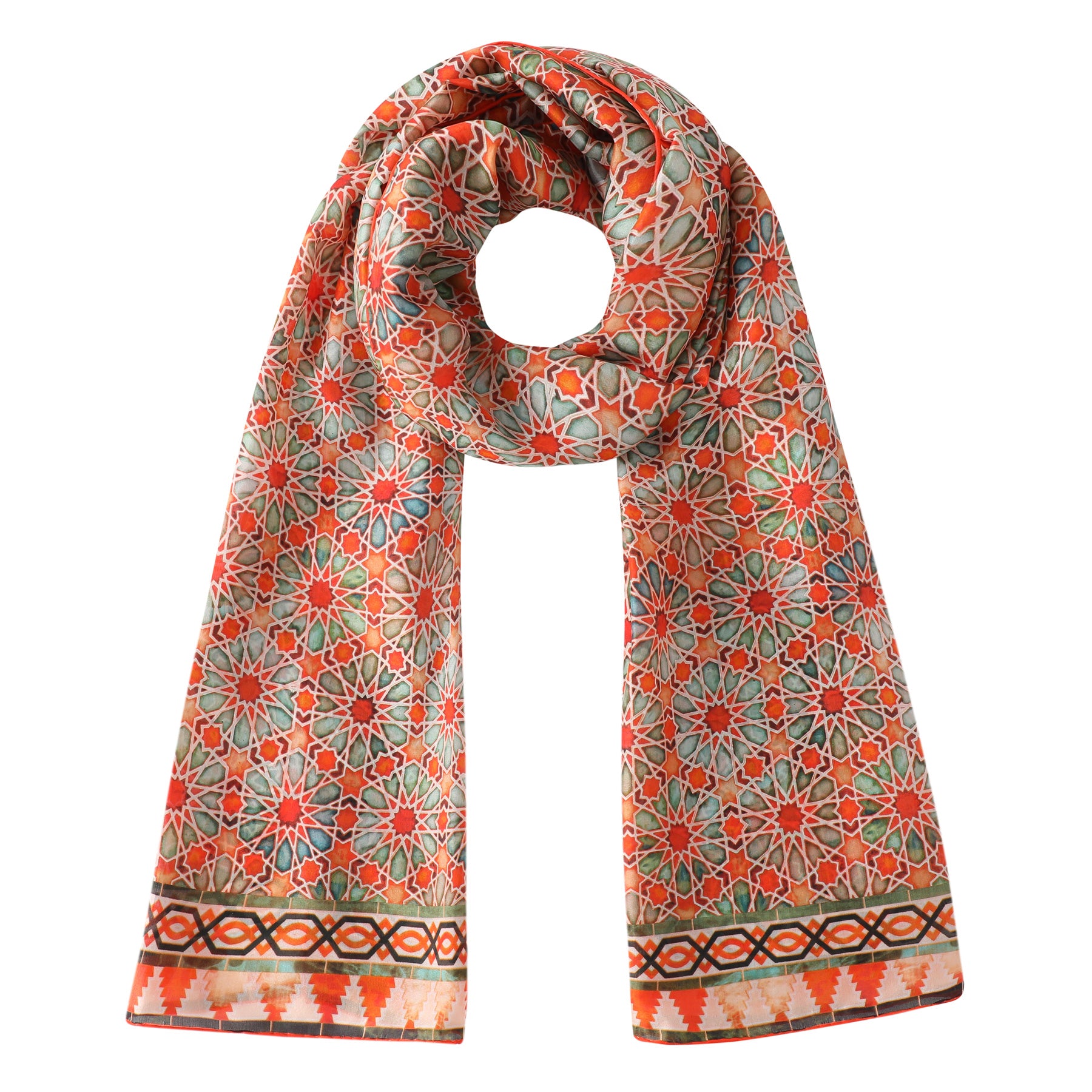
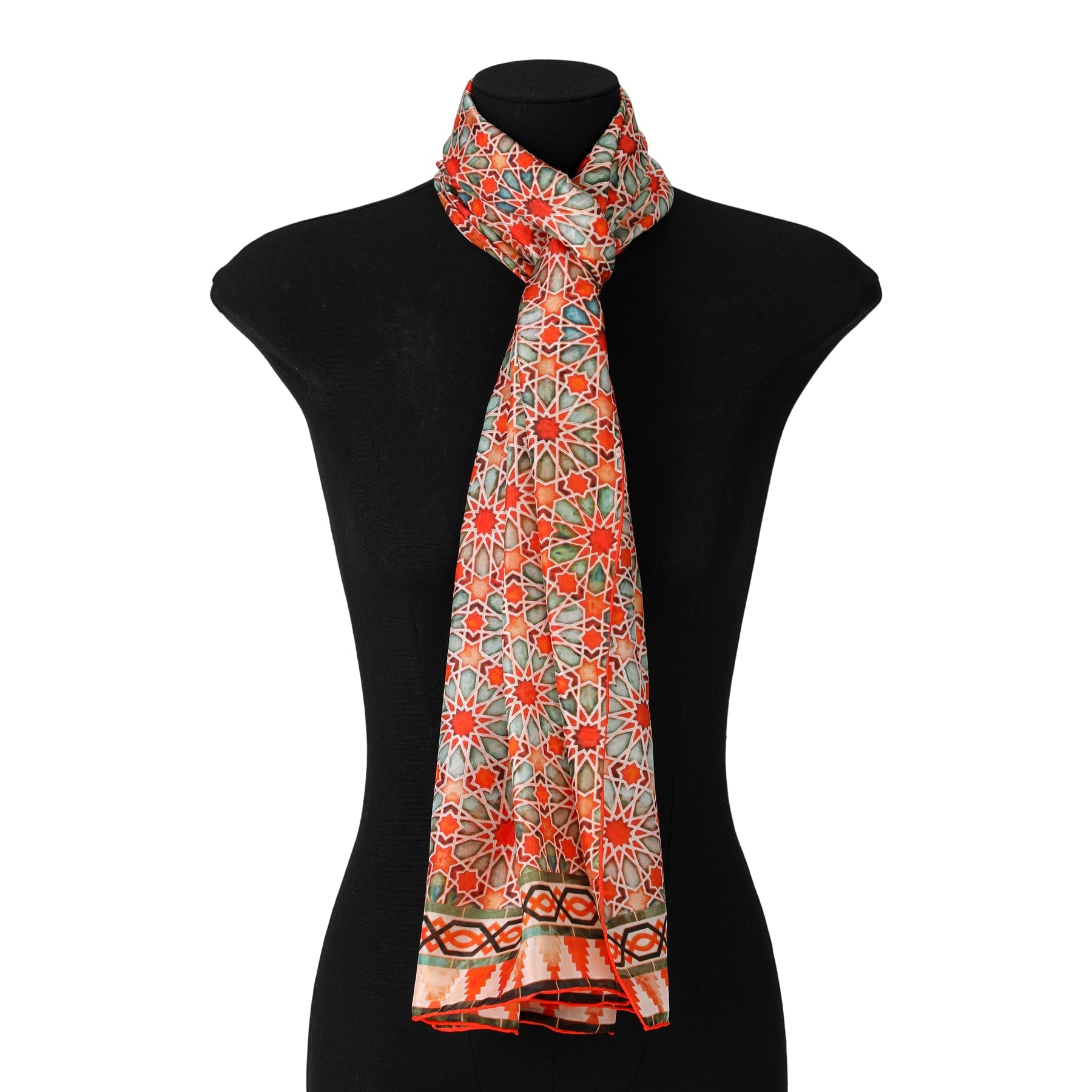
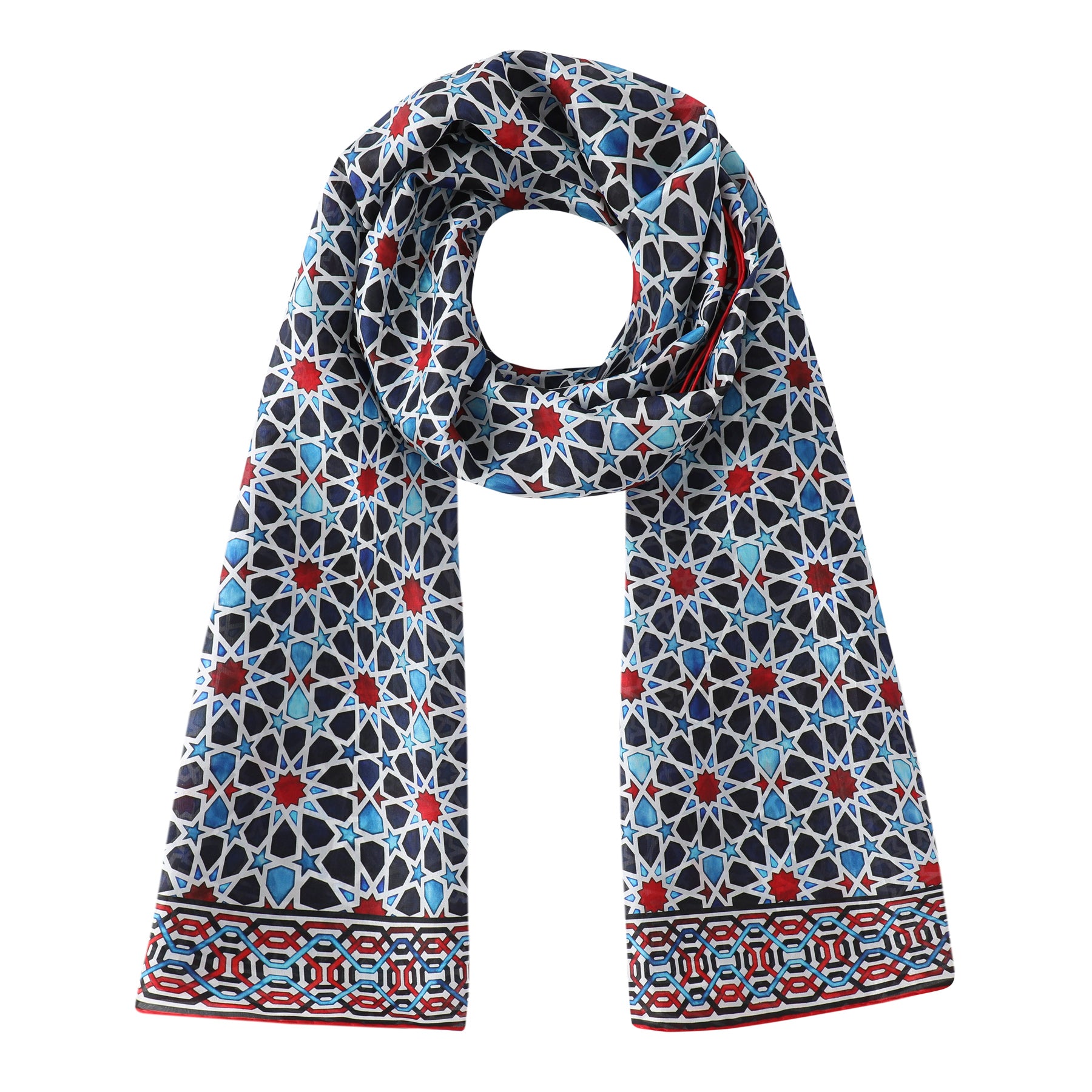
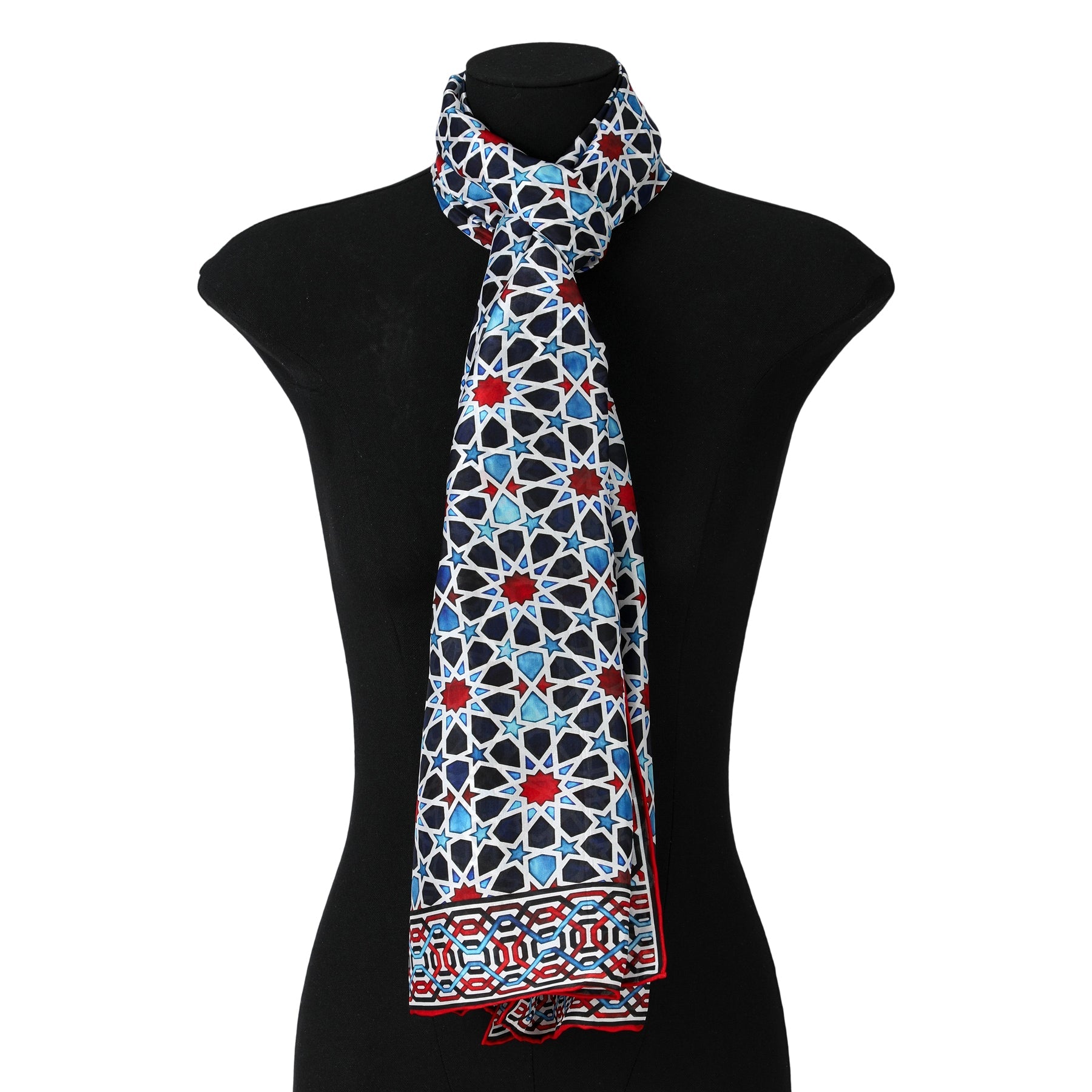
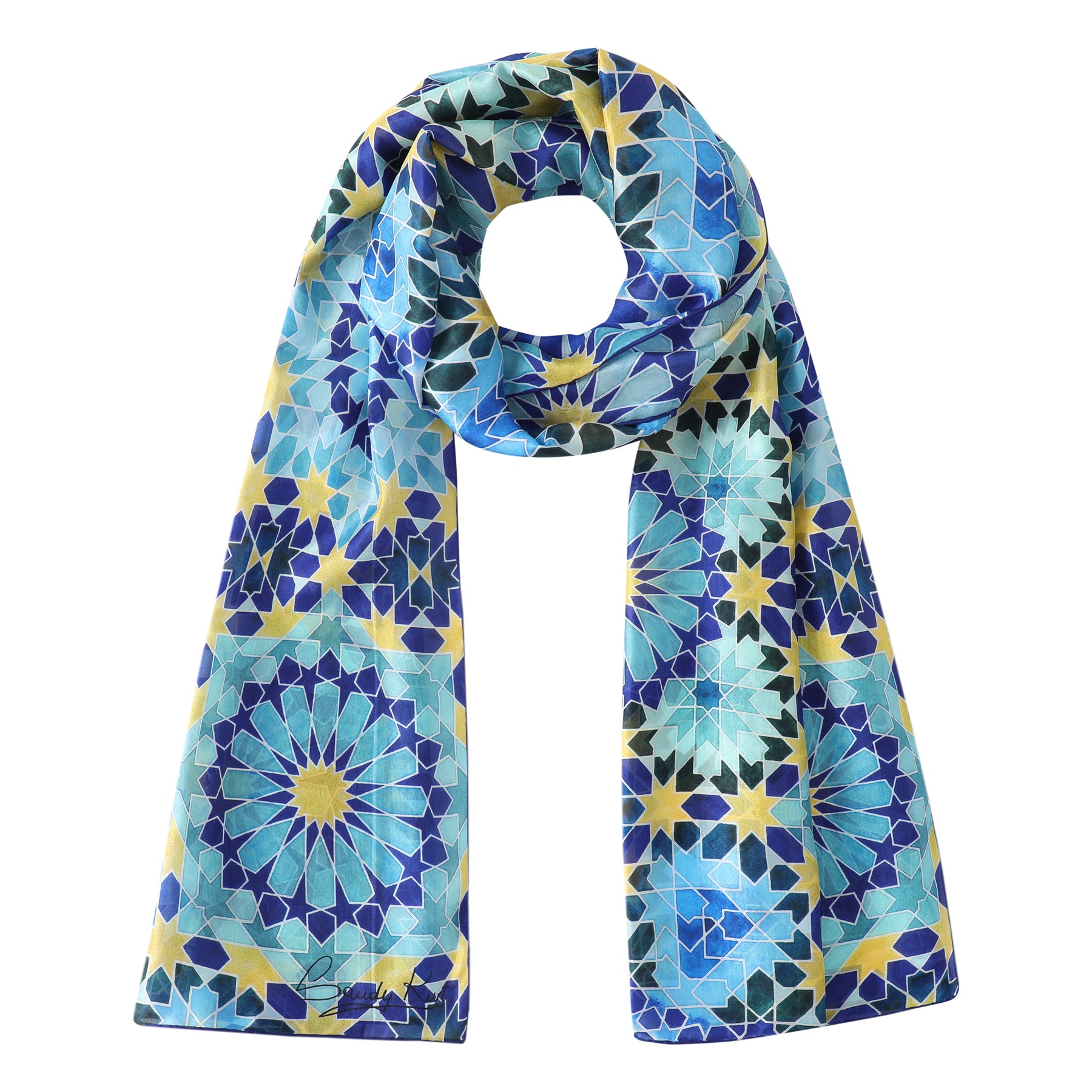
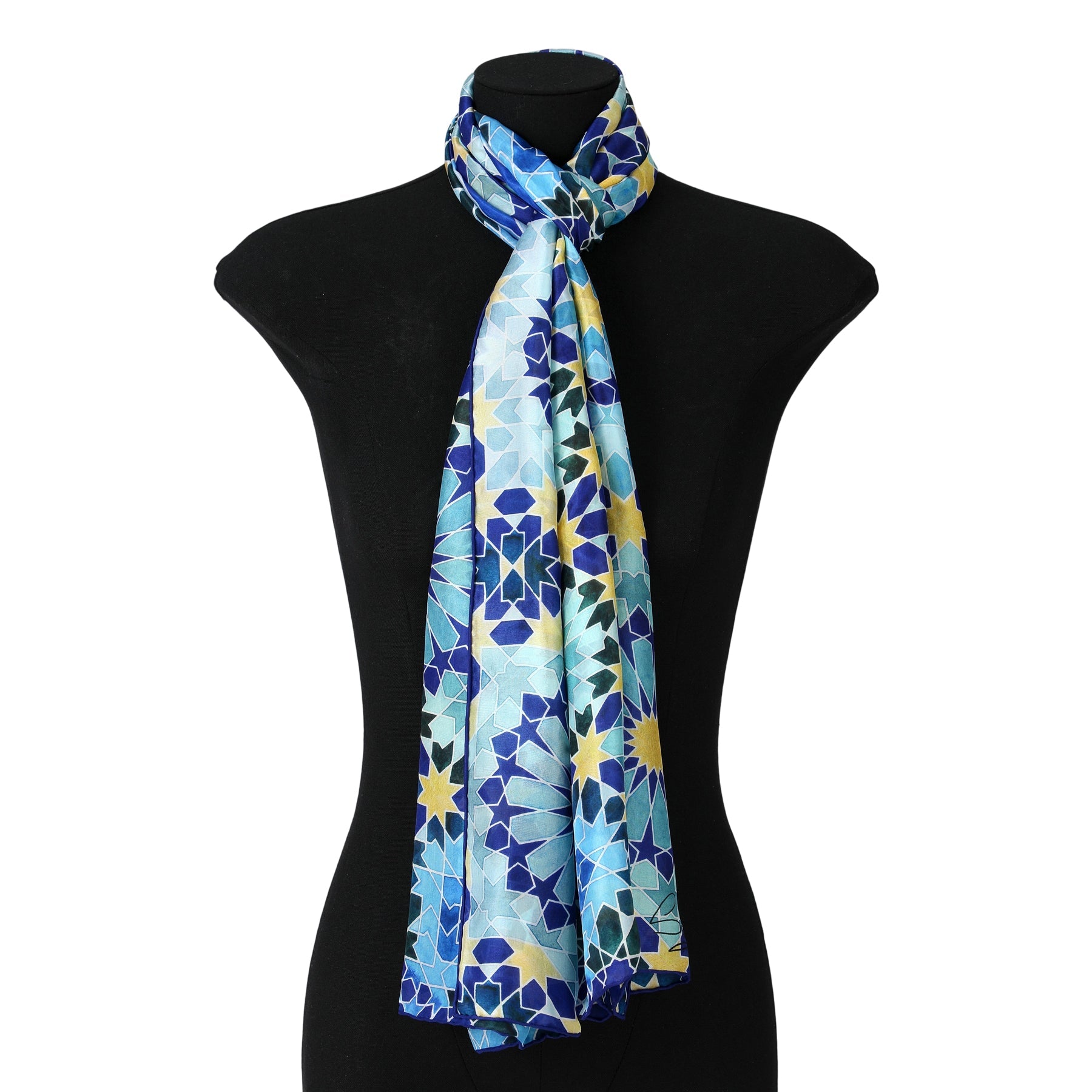
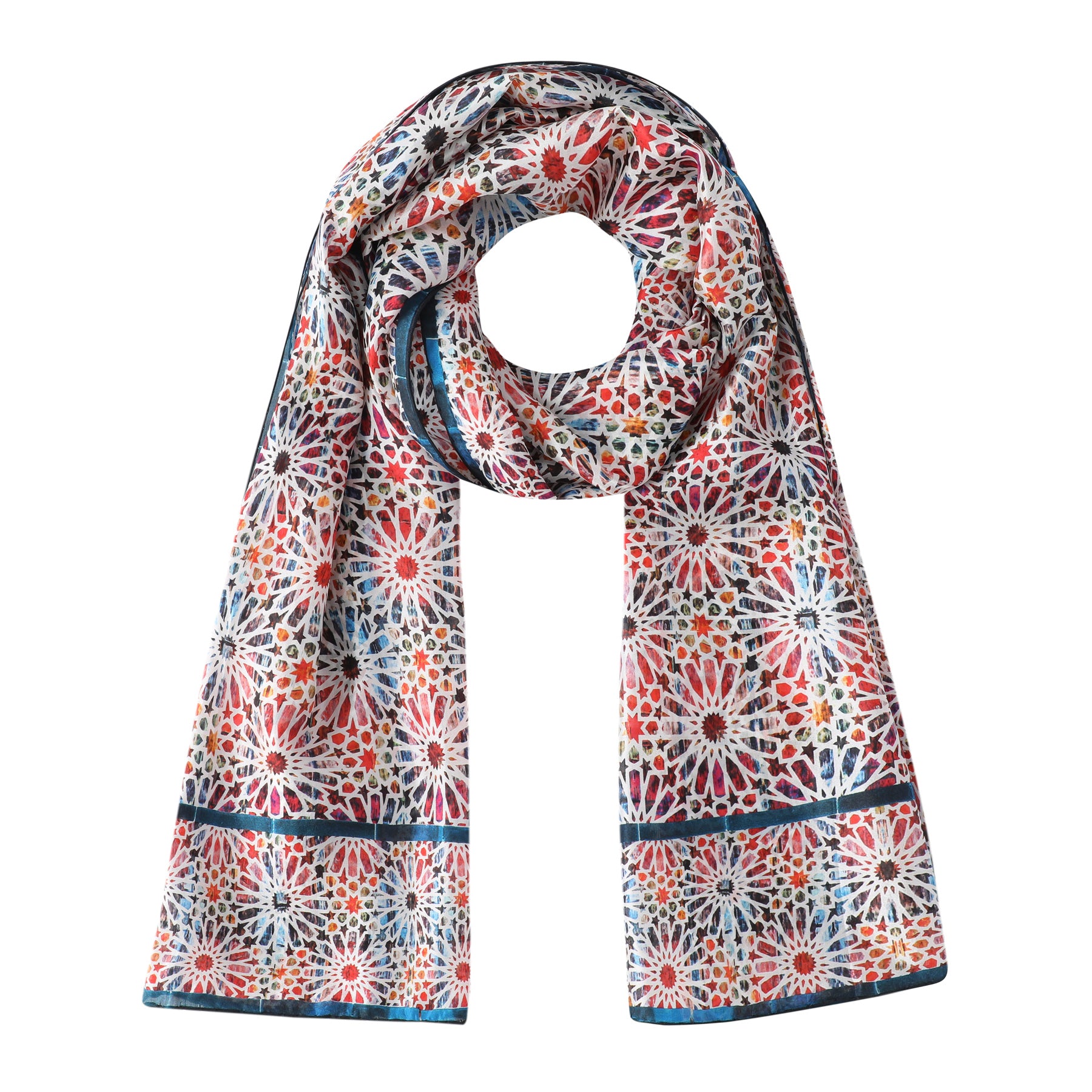
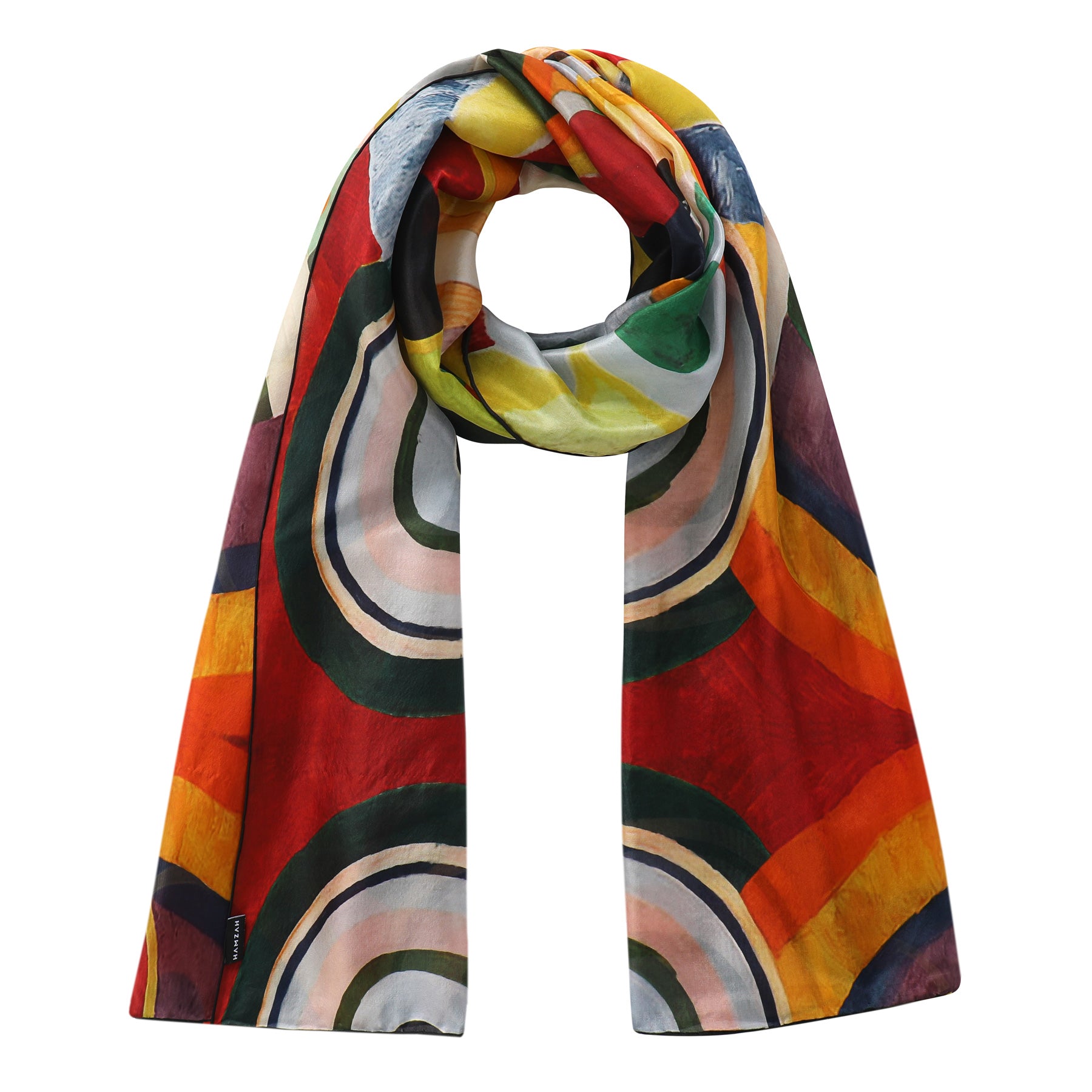
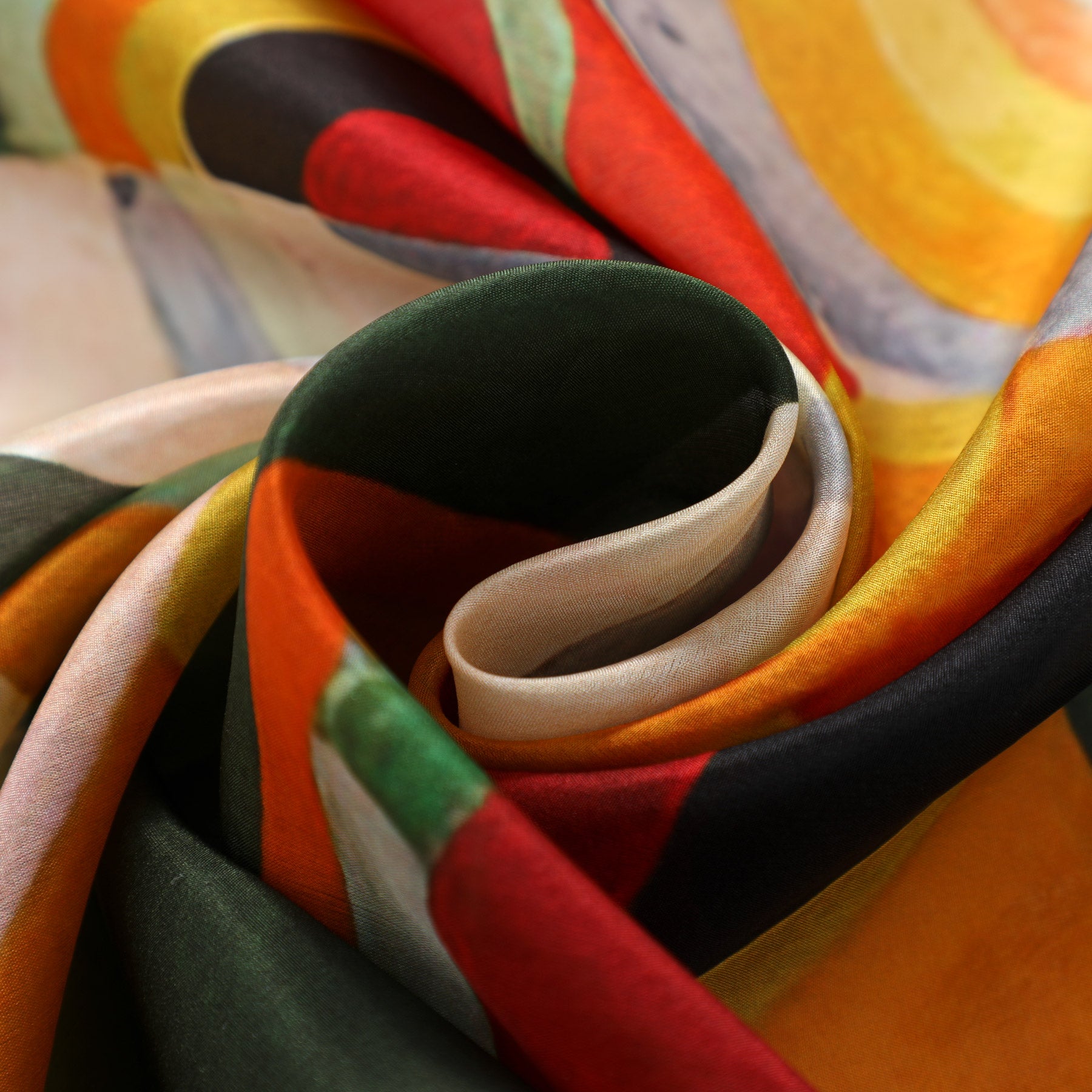
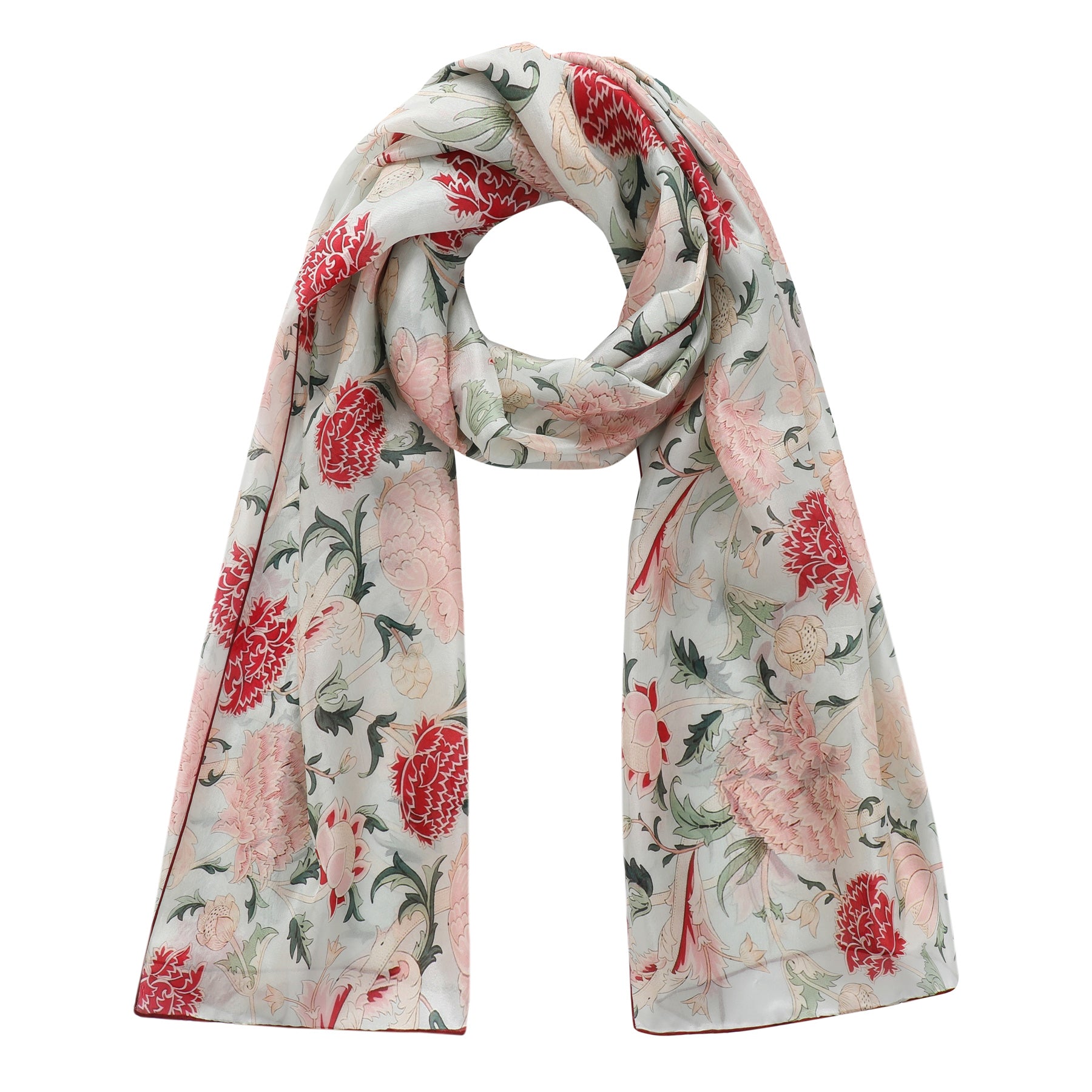
Silk is one of the most valued fabrics in the world for its shine, softness, and durability. However, not all silk is the same: there are several types depending on their origin and the weave used, and knowing them is key to choosing the right one. If you want to see how this fabric becomes timeless accessories, explore our collection of silk scarves.
1. Mulberry Silk (Bombyx mori)
This is the finest and most luxurious silk. It comes from domesticated silkworms fed exclusively on mulberry leaves. It has a uniform thread, an elegant sheen, and a spectacular drape. It also contains amino acids that benefit skin and hair. Ideal for premium clothing, bed sheets, and pillowcases.
2. Tussah or Tasar Silk (Wild Silk)
Produced by wild silkworms that break through their cocoons, resulting in shorter, thicker fibers with a rustic texture. It is usually cream or golden in color and harder to dye. Highly appreciated for home décor and garments with a natural, exclusive look.
3. Muga Silk
Originating from India, this silk has a natural golden hue and remarkable durability. Its tone does not fade over time or with washing, making it perfect for ceremonial garments.
4. Eri Silk
Made from cocoons where the moth is allowed to emerge, making it a more ethical choice. It has a soft texture, is slightly warmer, and highly absorbent. Suitable for everyday wear and clothing that prioritizes comfort.
5. Spider Silk
Extremely strong and elastic, comparable to steel in terms of weight ratio. It is more of a research material than a commercial fabric, but its potential for technical apparel is enormous.
Types of Silk by Weave
-
Satin or Charmeuse: Shiny on one side and matte on the other. Very fluid and sensual, perfect for dresses, lingerie, and nightwear.
-
Twill: With a diagonal texture and good structure. Ideal for ties, scarves, and garments that need form.
-
Chiffon: Ultra-light and sheer, perfect for veils and flowing dresses.
-
Crepe de Chine: Grainy and matte texture with excellent drape. Perfect for blouses and elegant dresses.
-
Habotai or Pongee: Lightweight with a soft sheen, great for digital prints.
-
Dupioni: Irregular fibers create a textured, slubby surface. Robust and elegant, often used in formalwear.
-
Georgette: Similar to crepe but with more texture. Durable with a sophisticated touch.
Other noteworthy weaves include Noil (slubby and more eco-friendly), Gazar, Jacquard, Organza, and Moire, often used in structured and luxury fashion.
FAQs About Silk
What’s the best silk for skin and hair?
Mulberry silk — it’s super soft and packed with natural amino acids that help care for both.
Is wild silk really worth it?
Yes! Wild silk has a unique rustic texture and natural tones. It’s less refined than mulberry, but very charming.
Which silk looks the most elegant?
Satin and charmeuse are your best bet. Their shine and fluid drape make any garment stand out.
Which silks hold their shape better?
Twill, Dupioni, Jacquard, and Moire — all structured weaves that add body and presence to garments.
Are there more ethical or eco-friendly silks?
Definitely. Eri silk and Noil are great alternatives if you’re looking for sustainability and conscious choices.
Conclusion: How to Choose According to Your Style
If you’re looking for young luxury and sophistication, mulberry silk in satin is the ideal choice. For a natural and rustic touch, Tussah silk offers unique character. If ethics matter to you, Eri silk and Noil provide sustainability without compromising quality. For garments with structure and presence, opt for Dupioni, twill, or Jacquard weaves.




Leave a comment
This site is protected by hCaptcha and the hCaptcha Privacy Policy and Terms of Service apply.